Deutsch
  English
  简体中文
简体中文  Español
  Français
  Italiano
  日本語
日本語  한국어
한국어  Polski
  Português
  Русский
  Türkçe
  Nederlands
  Tiếng Việt
  ไทย
ไทย 
Die meisten LED-Modulanfragen folgen demselben Weg: Ein Käufer sendet Spezifikationen, der Hersteller zitiert, und wenn die Zahlen funktionieren, beginnt die Produktion. Wenn die Anforderung jedoch nicht vom Standardkatalog abfällt - eine nicht standardmäßige Spannung, eine bestimmte Pixelgruppierung oder ein bestimmtes Steuerprotokoll -, hängt der Erfolg des Projekts häufig davon ab, wie diese Details vor Produktionsbeginn geklärt werden.
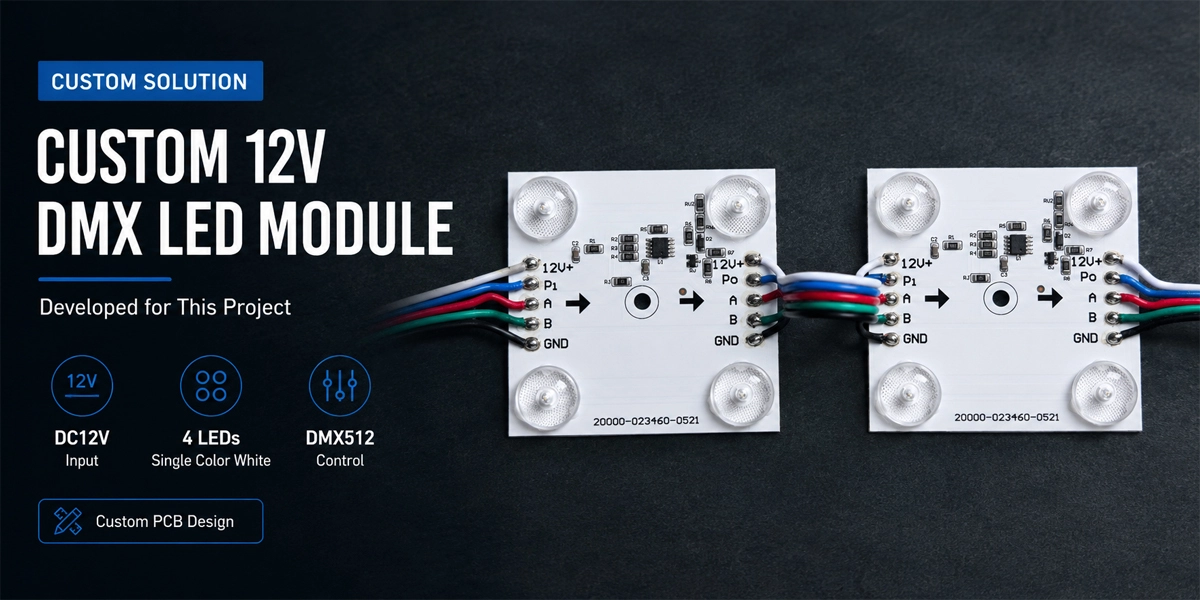
Diese Fallstudie folgt einem echten Signlited-Projekt für ein europäisches Beleuchtungsunternehmen, das eine nicht standardmäßige Kombination benötigt: 12-V-DC-Eingang, weiße einfarbige LEDs, DMX-Steuerung und vier LEDs, die als eine adressierbare Einheit zusammengefasst sind. Die folgenden Abschnitte zeigen, wie die Spezifikation geklärt wurde, die benutzerdefinierte PCB entwickelt und genehmigt wurde und die Module in Produktion und Versand überführt wurden.
schnelle Antwort
Die kurze Antwort: Ein europäisches Beleuchtungsunternehmen benötigte maßgeschneiderte 12V DC-Einfarbige LED-Module mit DMX-Steuerung, wobei alle vier LEDs an jedem Modul als eine adressierbare Einheit arbeiten. Signlited hat die Leiterplatte für 12-V-Eingang überarbeitet, die elektrischen Anforderungen vor der Produktion bestätigt und die Leiterplattenzeichnung vor der Herstellung zur Genehmigung an den Kunden gesendet. Das Projekt wurde von der ersten Anfrage auf den Versand in ungefähr sechs Wochen verschoben.
Die Anfrage: einfarbig weiße LED-Module mit DMX-Steuerung
Ende Juli kontaktierte ein europäischer Lichtdesigner Signlited mit einer klaren, aber nicht standardmäßigen Anforderung:
12V DC einfarbig weiß LED-Module mit DMX-Steuerung, wobei alle vier LEDs an jedem Modul als eine adressierbare Einheit arbeiten, anstatt einzeln gesteuert zu werden.
Zwei Dinge zeichneten diese Anfrage aus:
1. DMX-Steuerung für ein einfarbiges weißes Modul
Die Standardkonfigurationen von Signlited DMX LED-Module sind hauptsächlich für die mehrkanalige Farbsteuerung wie RGBW oder RGBCCT konzipiert. In diesem Projekt benötigte der Kunde jedoch nur einfarbiges Weißlicht mit DMX-Steuerung. Alle vier weißen LEDs an jedem Modul würden zusammen als eine steuerbare Einheit arbeiten, sodass die Helligkeit jedes Moduls über das DMX-System adressiert und gedimmt werden kann.
2 12V DC-Eingang anstelle der Standard-24-V-Plattform
Die Standard-LED-Modulplattform von Signlited arbeitet mit DC24V, während die bestehende Installation des Kunden DC12V benötigt. Dies bedeutete, dass die Standard-Platine nicht einfach wie benutzbar ist, und eine dedizierte 12-V-Platinenkonfiguration war erforderlich, um das elektrische System des Kunden zu erfüllen.
| DMX-Modultyp | LEDs pro Modul | Steuerkanäle | Steuerlogik | Typische Verwendung |
| Standard-RGBW-DMX | 6 | 4 (R, G, B, W) | Unabhängige Farbkanalsteuerung | Vollfarbbeleuchtung |
| Standard-RGBCCT-DMX | 6 | 5 (R, G, B, WW, CW) | Unabhängige Farb- und Weißkanalsteuerung | Farbe + abstimmbar weiß |
| Dieses benutzerdefinierte Projekt | 4 weiße LEDs | 1 | Alle 4 LEDs zusammen als eine Einheit gesteuert | sogar weiße Hintergrundbeleuchtung mit Per-Modul-Dimmen |
Durch die gemeinsame Steuerung aller vier LEDs an jedem Modul reduzierte das Design die Anzahl der erforderlichen DMX-Steuerkanäle im Vergleich zur individuellen Steuerung jeder LED. Dies vereinfachte die Steuerungsarchitektur und entspricht eher den Anforderungen des Kunden an das Dimmen auf Modulebene und nicht an die individuelle LED-Steuerung.
Die Spezifikationsfragen: Die Details richtig vor dem Zitat einholen
Anstatt direkt zum Angebot zu wechseln, klärte Signlited zunächst zwei Details, die sich auf die endgültige Modulkonfiguration auswirken würden:
Frage 1 — Klebeband auf der Rückseite?
Die Standardmodule von Signlited werden ohne vorab verwendetes 3M-Band geliefert. Während der Spezifikationsdiskussion bestätigte der Kunde, dass kein Klebeband erforderlich war, sodass das Projekt die Standardkonfiguration ohne Band behielt.
Frage 2 – Wie sollen die vier LEDs gruppiert werden?
Dies war die wichtigere Designentscheidung. Zunächst wurde eine individuell gesteuerte Konfiguration in Betracht gezogen, aber der Kunde stellte klar, dass alle vier LEDs an jedem Modul zusammen funktionieren sollten:
Ich möchte ein Modul mit 4 LEDs als einzelne Einheit steuern - also nicht jede der 4 LEDs an einem Modul einzeln.
Diese Klärung wirkte sich direkt auf das Leiterplatten- und Steuerungsdesign aus: Die vier LEDs an jedem 65 × 65 mm Modul, die als eine steuerbare Einheit und nicht als vier einzeln gesteuerte LEDs zusammen arbeiten müssen.
Zum Vergleich siehe unsere Produktseite des LED-Moduls für Standardmodulkonfigurationen oder unsere Anleitung für DMX-LED-Module Weitere Informationen zur DMX-Steuerung und -Adressierung.
Die Spannungsprüfung: 12V DC vor der Rechnungsstellung bestätigen
Da die Standard-LED-Modulplattform von Signlited auf DC24V betrieben wird, musste die DC12V-Anforderung des Kunden bestätigt werden, bevor das benutzerdefinierte Design vorankam. Die ursprüngliche Anfrage und die anschließenden Spezifikationsdiskussionen wurden überprüft, um zu überprüfen, ob das Modul mit einem 12-V-DC-System verwendet werden würde.
Sobald der 12-V-Eingang bestätigt wurde, konnte die Leiterplatte um die erforderliche Spannung konstruiert werden, einschließlich der entsprechenden strombegrenzenden Komponenten und der LED-Serien-Parallel-Konfiguration. Dies erforderte ein dediziertes 12-V-Platinenlayout, anstatt nur das Standard-24-V-Design zu verwenden.
Warum das zählt: Die Eingangsspannung ist ein grundlegender Parameter für die PCB-Konstruktion. Ein für den 24-V-Betrieb ausgelegtes Modul ist nicht automatisch mit einem 12-V-System kompatibel, daher sollte die erforderliche Spannung bestätigt werden, bevor das PCB-Layout und die Komponentenauswahl abgeschlossen sind. In diesem Projekt half die Bestätigung der 12-V-Anforderung vor der Produktion, Neugestaltung und unnötige Nacharbeiten zu vermeiden.
Weitere Informationen zur Auswahl zwischen DC12V und DC24V Systemen finden Sie in unserem LED-Modul Kaufanleitung für Leuchtkästen und Decken, einschließlich Netzteilauswahl und -größe.
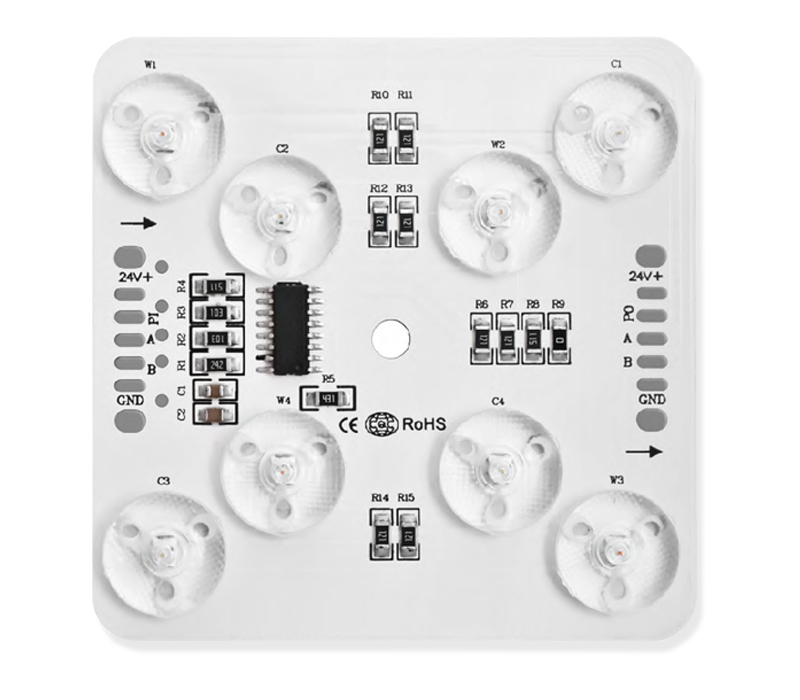
DMX Tunable White LED-Module
- LED-Typ: 2835 SMD
- LED-Menge: 2 * 4 Stück
- Leistung: 2 + 4W
- Spannung: DC24V
- Effizienz: 100 lm/W
- Farbe: CCT 2700-6500K
- CRI: RA90+
- Größe: 68 x 68 x 5,5 mm
- Einzelne einfarbige BIN, 3 Stufen SDCM verfügbar
Von der Rechnung zur Produktion: Der Checkpoint für die Leiterplattenzeichnung
Nach Bestätigung der Spezifikationen wurde die Rechnung ausgestellt und die Zahlung am 7. August eingegangen. Mit der Bestätigung der Bestellung wurde das Projekt in die kundenspezifische PCB-Vorbereitung und die Produktionsplanung umgestellt.
Schritt 1 — Leiterplattenzeichnung Erste Produktion Zweite
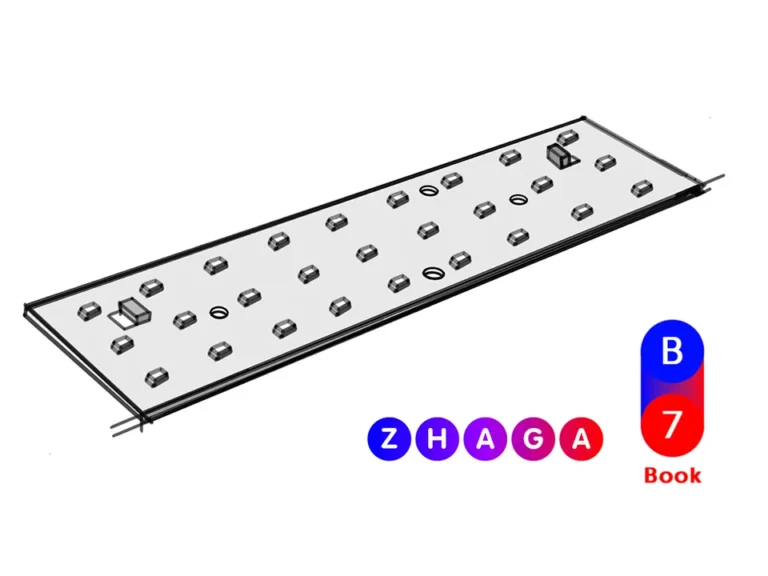
Vor der Produktion sandte Signlited die benutzerdefinierte PCB-Zeichnung an den Kunden zur Überprüfung und Genehmigung. Dadurch konnten die wichtigsten Designdetails - einschließlich der Abmessungen der Platinen, der Eingangsspannung, des LED-Layouts und der Gruppierung - vor der Produktion überprüft werden.
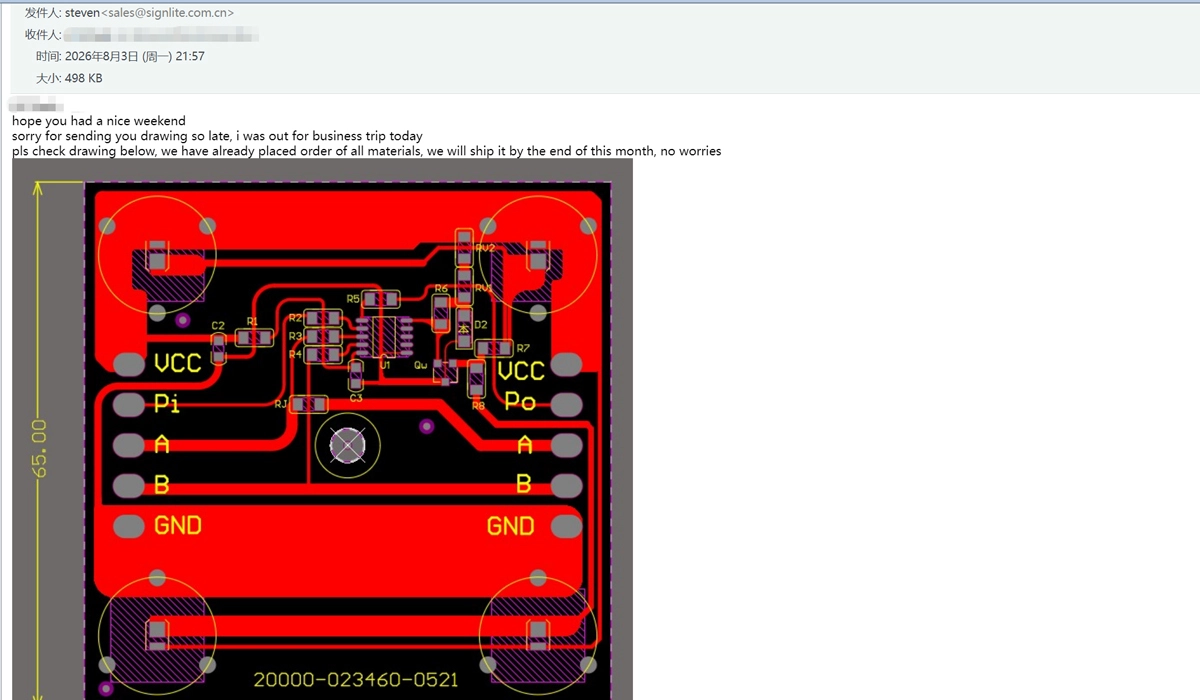
Abbildung: Leiterplattenzeichnung mit dem Kunden während des 12V DMX LED Modulprojekts zur Entwurfsbestätigung.
Nach Überprüfung der Zeichnung genehmigte der Kunde das Design:
Ja, es sieht gut aus, Sie können mit der Produktion fortfahren.
Schritt 2 —Die Produktion nach der Zeichnungsbestätigung
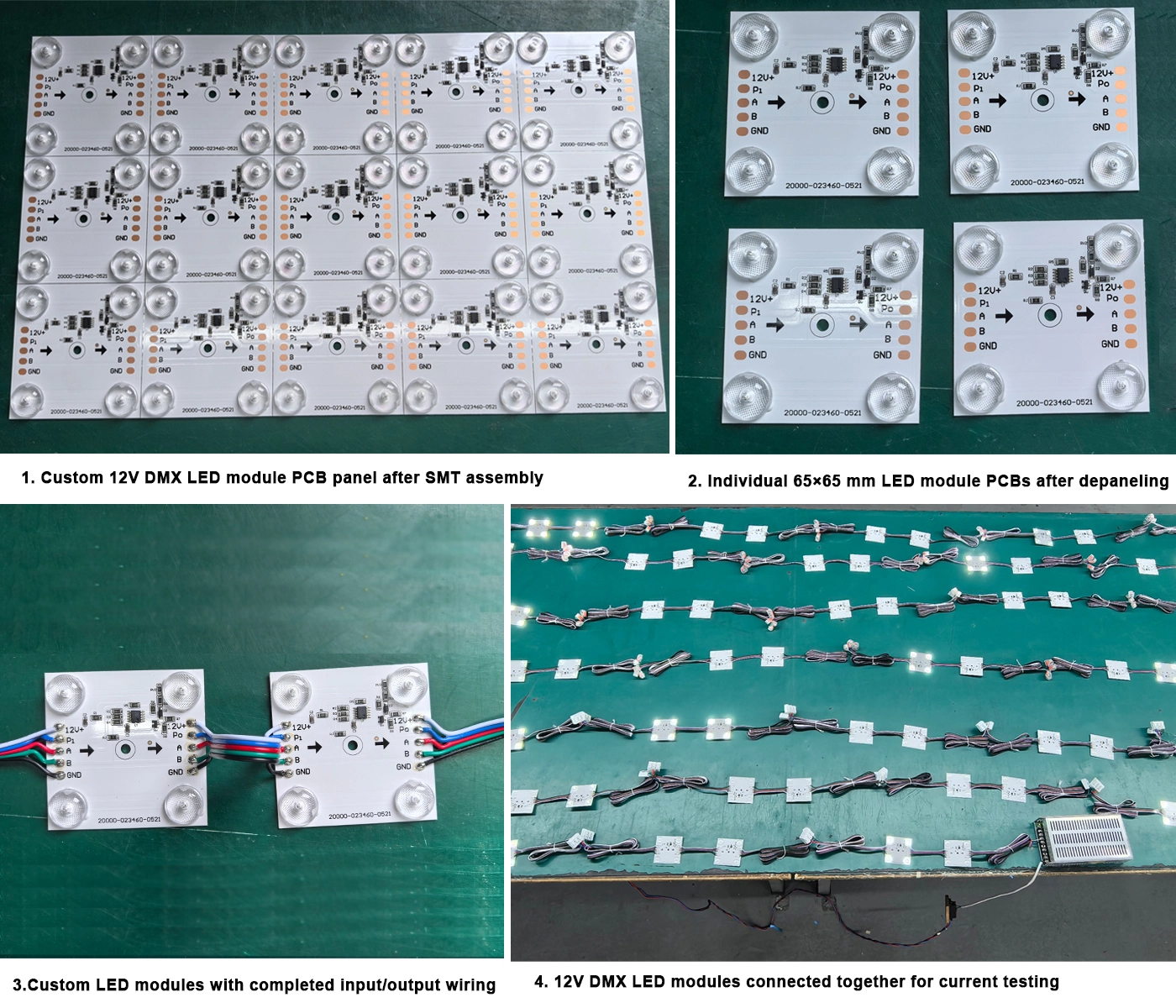
Nach der Genehmigung der Leiterplattenzeichnung wurden die kundenspezifischen Leiterplattenmaterialien bestellt und das Projekt in Produktion gebracht. Die Module gingen dann vor dem Versand durch die Montage und Prüfung.
Schritt 3 - Versand geplant
Nach der Produktion und dem Test wurden die fertiggestellten Module gemäß dem Projektplan für den Versand vorbereitet.
Projektzeitleiste auf einen Blick
| Datum | Meilenstein |
| 23. Juli | Erste Anfrage erhalten |
| 24.–25. Juli | Spezifikationen: Klebeband, LED-Gruppierung und 12-V-Eingang bestätigt |
| 26. Juli | Rechnung ausgestellt |
| 7 -Aug | Zahlung bestätigt |
| 9-Aug | PCB-Zeichnung gesendet und genehmigt |
| Mitte-Aug | Benutzerdefinierte Leiterplattenmaterialien bestellt und Produktion begonnen |
| Ende des August | Verschiffung |
Von der ersten Anfrage bis zur Lieferung dauerte das komplette Projekt etwa sechs Wochen.
Was dieser Fall Käufern lehrt, bestellen benutzerdefinierte LED-Module
1. Bestätigen Sie die Eingangsspannung, bevor Sie das Design abschließen
Die Eingangsspannung beeinflusst die Leiterplattenschaltung und die Komponentenauswahl. Wenn ein Projekt 12 V anstelle der Standard-24-V-Plattform eines Herstellers benötigt, sollte die Spannung bestätigt werden, bevor das PCB-Design fertiggestellt wird. In diesem Projekt hat die frühzeitige Überprüfung der 12-V-Anforderung dazu beigetragen, dass die benutzerdefinierte Platine für das vorhandene elektrische System des Kunden konzipiert wurde.
2. Definieren Sie die Steuerlogik, nicht nur das Steuerprotokoll
Allein die Angabe von „DMX-Steuerung“ definiert möglicherweise nicht vollständig, wie ein LED-Modul funktionieren soll. Käufer sollten auch klären, ob LEDs einzeln gesteuert oder zusammengefasst werden. In diesem Projekt benötigte der Kunde speziell alle vier weißen LEDs an jedem Modul, um als eine steuerbare Einheit zu arbeiten, die sich direkt auf die Leiterplatten- und Steuerungskonstruktion auswirkte.
3. Verwenden Sie die Leiterplattenzeichnung als Entwurfsbestätigungspunkt
Bei einem benutzerdefinierten PCB-Projekt bietet die Überprüfung der Zeichnung beide Seiten die Möglichkeit, wichtige Details wie Platinenabmessungen, Spannung, LED-Layout und Gruppierung zu überprüfen, bevor die Produktion voranschreitet. In diesem Fall wurde die Leiterplattenzeichnung mit dem Kunden geteilt und vor der Produktion der Module genehmigt.
4. Kundenspezifische Entwicklung erfordert nicht immer eine lange Vorlaufzeit
Dieses Projekt wurde von der ersten Anfrage auf den Versand in ungefähr sechs Wochen umgestellt, einschließlich der Spezifikationsklärung, der Vorbereitung und Genehmigung von PCB, der Materialvorbereitung, der Produktion und der Prüfung. Die tatsächliche Vorlaufzeit für andere kundenspezifische Projekte hängt von der Höhe der Anpassung und der Produktionsanforderungen ab.
Projektspezifikationen auf einen Blick
Die folgende Tabelle vergleicht die Standard-LED-Modulplattform von Signlited mit der für dieses Projekt entwickelten endgültigen Konfiguration. Drei Unterschiede waren besonders wichtig: Der Kunde benötigte DC12V anstelle der Standard-DC24V-Plattform, eine 4-LED-Einfarbigkeit mit geringerer Leistung und alle vier LEDs an jedem Modul, um zusammen als eine steuerbare DMX-Einheit zu arbeiten.
Diese Anforderungen wirkten sich auf das Leiterplattendesign, die elektrische Konfiguration und die Steuerlogik aus und machten ein benutzerdefiniertes Modul erforderlich und nicht ein Standardprodukt.
| genaue Angaben | Signlited Standard | Dieses benutzerdefinierte Projekt |
| Produkttyp | Standard-LED-Modul RGBW / RGBCCT | Benutzerdefiniertes einfarbiges DMX-LED-Modul |
| Eingangsspannung | DC24V | DC12V |
| LEDs pro Modul | 6 LEDs | 4 LEDs |
| helle Farbe | RGBW / RGBCCT | Weiß |
| CCT / CRI | Abhängig von der Konfiguration | 6500K / RA80 |
| Strom | 4–6W | 1,5 W pro Modul |
| Leiterplattengröße | Standardplattform | 65 × 65 mm |
| Steuerprotokoll | DMX512 | DMX512 |
| Steuerlogik | Mehrkanal-Farbsteuerung | Alle 4 LEDs zusammen als eine Einheit gesteuert |
| Kleberücken | keine | keine |
| Projektvorlaufzeit | - | ca. 6 Wochen von Anfrage bis Versand |
Die endgültige Projektkonfiguration basierte auf den bestätigten Anforderungen des Kunden und der genehmigten PCB-Zeichnung, die eine klare Referenz für die Produktion und Endkontrolle lieferte.

FAQ
Abschluss
„Custom“ ist nicht einfach eine Produktkategorie – es ist ein Prozess. Für dieses 12-V-DMX-LED-Modulprojekt waren die wichtigsten Schritte das Verständnis der Anforderungen des Kunden für elektrische und Steuerung, die Bestätigung der Spezifikationen, die Entwicklung der benutzerdefinierten Leiterplatte, die Überprüfung der Leiterplattenzeichnung und das Verschieben des genehmigten Designs in die Produktion.
Das Projekt zeigt auch, warum Details wie Eingangsspannung, LED-Gruppierung, Leiterplattenabmessungen und Steuerlogik in einem benutzerdefinierten LED-Modulprojekt frühzeitig geklärt werden sollten. In diesem Fall kombinierte die endgültige Lösung einen 12-V-DC-Eingang, vier einfarbige weiße LEDs, eine DMX512-Steuerung und eine 65 × 65-mm-Platine, wobei das Projekt von der ersten Anfrage zur Lieferung in ungefähr sechs Wochen überging.
SignLiteLed bietet kundenspezifische LED-Modullösungen für OEM- und kommerzielle Beleuchtungsprojekte, einschließlich kundenspezifischer Leiterplattenlayouts, Spannungskonfigurationen, LED-Spezifikationen und Steuerungsanforderungen.
Wenn Sie ein benutzerdefiniertes LED-Modulprojekt entwickeln, Kontakt Signlited Mit Ihrer Zielspannung, LED-Konfiguration, Abmessungen, Regelmethode, Menge und Anwendungsanforderungen. Unser Team kann die Spezifikationen überprüfen und eine geeignete Lösung für Ihr Projekt diskutieren.
Auther: Steven Quan
Verkaufsleiter
E-Mail: sales@signlite.com.cn
Handy / WhatsApp: +86 15814478470

Verwandte Artikel