Italiano
  English
  简体中文
简体中文  Deutsch
  Español
  Français
  日本語
日本語  한국어
한국어  Polski
  Português
  Русский
  Türkçe
  Nederlands
  Tiếng Việt
  ไทย
ไทย 
Installazione dell'illuminazione dell'armadio utilizzata per richiedere capacità di saldatura, strumenti specializzati e tempi di installazione extra. Tuttavia, l'illuminazione dell'armadio senza saldatura ha reso più facile creare soluzioni di illuminazione a LED pulite e professionali senza complicati lavori di cablaggio.
Utilizzando luci a strisce a LED senza saldatura, gli installatori possono collegarsi e installare rapidamente sotto l'illuminazione dell'armadio senza apparecchiature di saldatura. Questo metodo di installazione flessibile è particolarmente adatto per mobili da cucina, armadi, scaffali, vetrine e progetti di mobili su misura in cui un aspetto pulito e una facile manutenzione sono importanti.
In questa guida, spiegheremo come funziona l'illuminazione dell'armadio senza saldatura, come installare le luci a strisce a LED senza saldatura e cosa considerare quando si scelgono connettori senza saldatura per diverse applicazioni di illuminazione.
Risposta rapida: perché l'illuminazione dell'armadio senza saldatura sta diventando popolare?
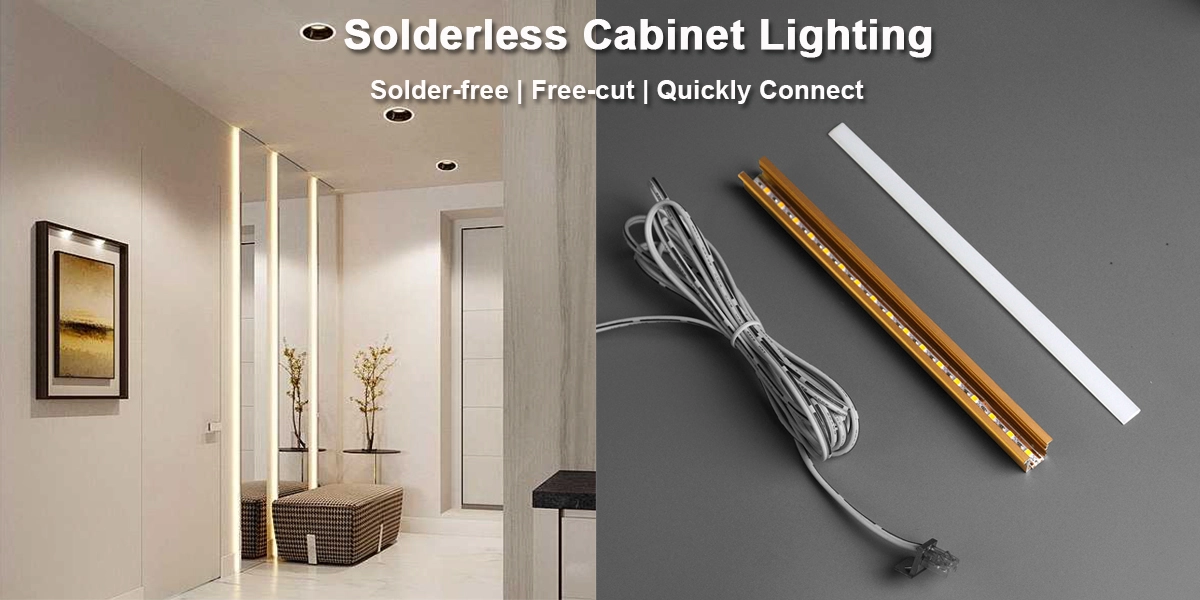
L'illuminazione per armadi senza saldatura sta diventando popolare perché semplifica l'installazione e la manutenzione dei sistemi di illuminazione a strisce a LED. Sostituendo le tradizionali connessioni di saldatura con connettori plug-in, consente Luci a striscia LED, profili in alluminio, E Accessori per illuminazione Da installare, sostituire e aggiornare in modo più efficiente. Questo lo rende una soluzione ideale per cucine, armadi, armadi, vetrine e progetti di mobili su misura in cui l'installazione pulita, il design flessibile e la manutenzione a lungo termine sono importanti.
Che cos'è un sistema di illuminazione per armadi senza saldatura e come funziona?
Un sistema di illuminazione per armadi senza saldatura è una soluzione di illuminazione a LED modulare che utilizza la luce a strisce a LED senza saldatura, i connettori senza saldatura, i profili in alluminio e gli accessori compatibili per semplificare l'installazione, la sostituzione e la manutenzione per progetti di illuminazione di mobili.
dissimile Striscia LED tradizionale Le installazioni che richiedono la saldatura manuale dei fili sulla striscia, l'illuminazione dell'armadio senza saldatura utilizzano connettori plug-in e metodi di connessione pre-progettati per creare connessioni elettriche affidabili senza strumenti di saldatura. Questo permette di faretto a LED, alimentatori, E Componenti di controllo Da installare, regolare o sostituire in modo più efficiente.
La differenza fondamentale è il suo design di connessione modulare. Invece di creare giunti saldati permanenti, ogni componente di illuminazione può essere assemblato, regolato, aggiornato o sostituito in modo indipendente quando necessario. Ciò rende il sistema più veloce da installare e più facile da mantenere, in particolare per applicazioni di illuminazione per armadi, guardaroba, armadio, vetrine e mobili su misura in cui l'installazione pulita e la flessibilità sono importanti.
Un tipico sistema di illuminazione per armadi senza saldatura è costituito da diversi componenti integrati:
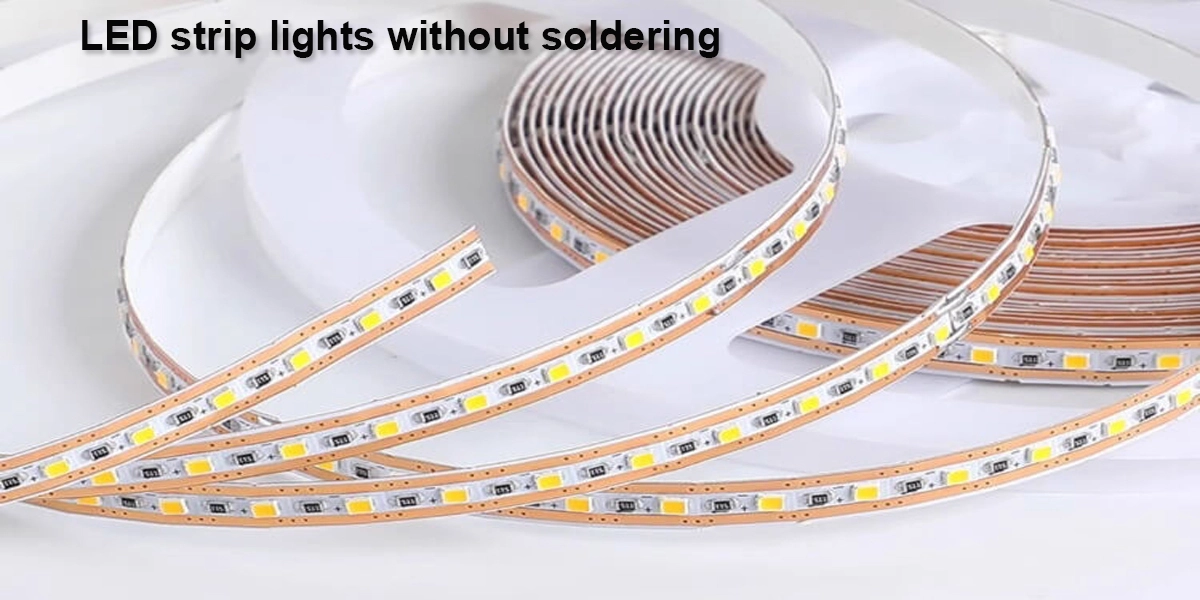
Luci a strisce LED senza saldatura con design a connessione rapida
La luce a LED senza saldatura è la fonte di luce primaria di un sistema di illuminazione per armadi senza saldatura. Progettate per funzionare con connettori senza saldatura o punti di connessione preinstallati, queste strisce LED senza saldatura consentono agli installatori di tagliare, ricollegare o sostituire le sezioni di illuminazione senza ulteriori lavori di saldatura.
Questo metodo di collegamento semplificato migliora l'efficienza di installazione e riduce i tempi di manutenzione, rendendolo adatto per mobili da cucina, armadi, scaffali e altre applicazioni di illuminazione per mobili.
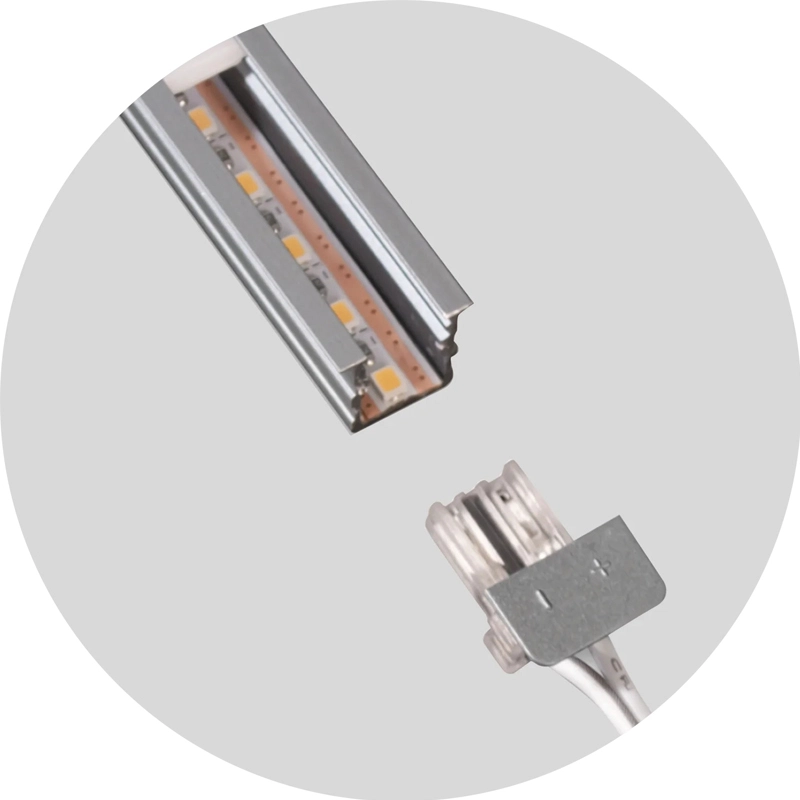
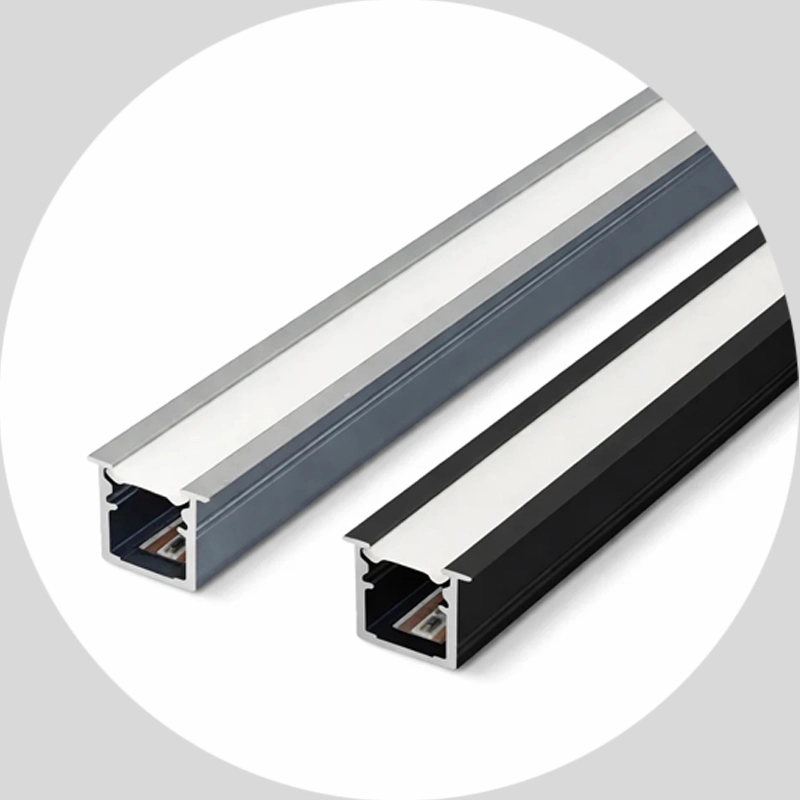
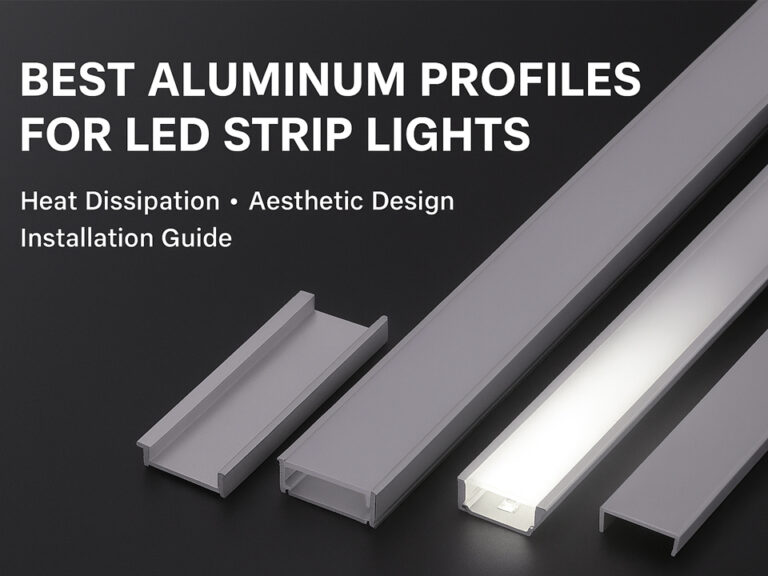
Profili in alluminio per protezione e dissipazione del calore
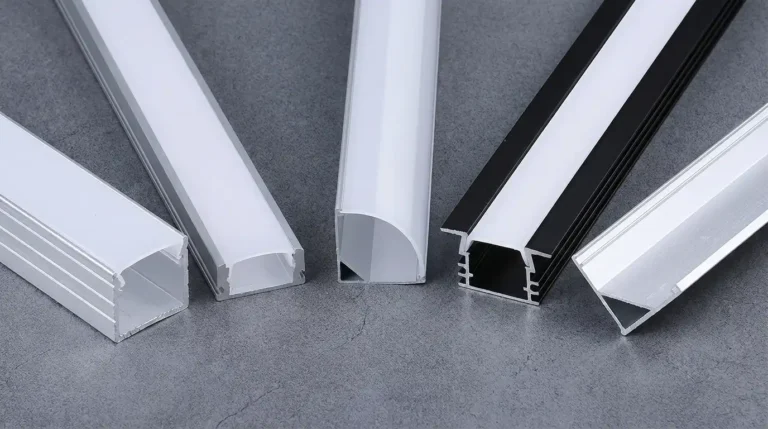
I profili in alluminio garantiscono un aspetto finito professionale proteggendo al contempo le luci a LED e migliorando la gestione termica. Nei progetti di illuminazione per mobili e mobili, i profili incassati, montati in superficie e angolari sono comunemente utilizzati per creare effetti di illuminazione lineari senza interruzioni all'interno di armadi, armadi, scaffali e aree espositive.
Connettori plug-in e accessori modulari
Connettori senza saldatura, cavi di prolunga e accessori di montaggio creano un sistema di connessione flessibile tra strisce LED e altri componenti di illuminazione. Questi accessori plug-and-play riducono la complessità dell'installazione e consentono di personalizzare i layout di illuminazione in base a diversi design di mobili.
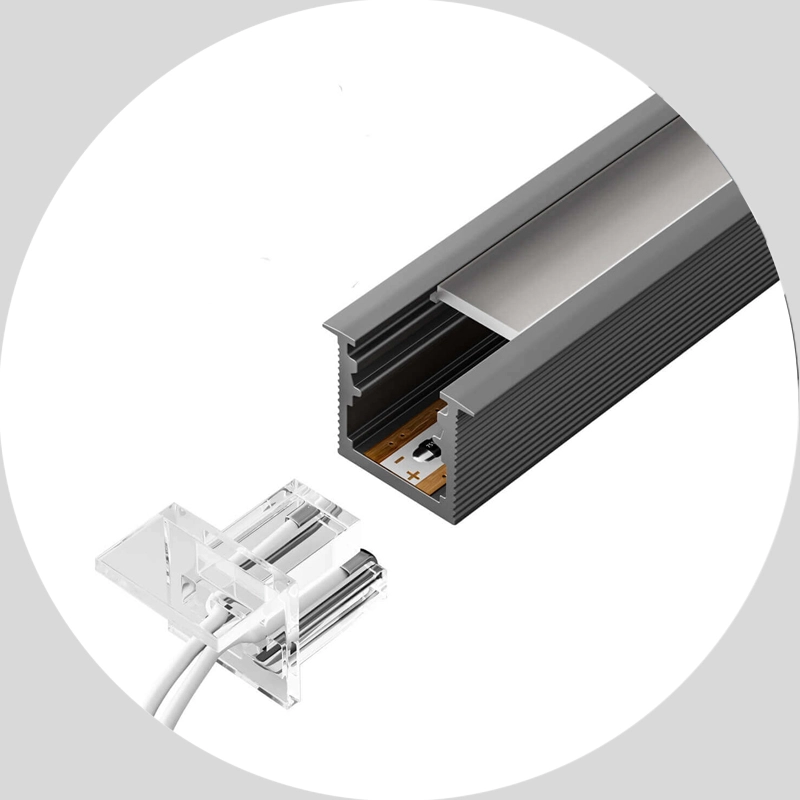
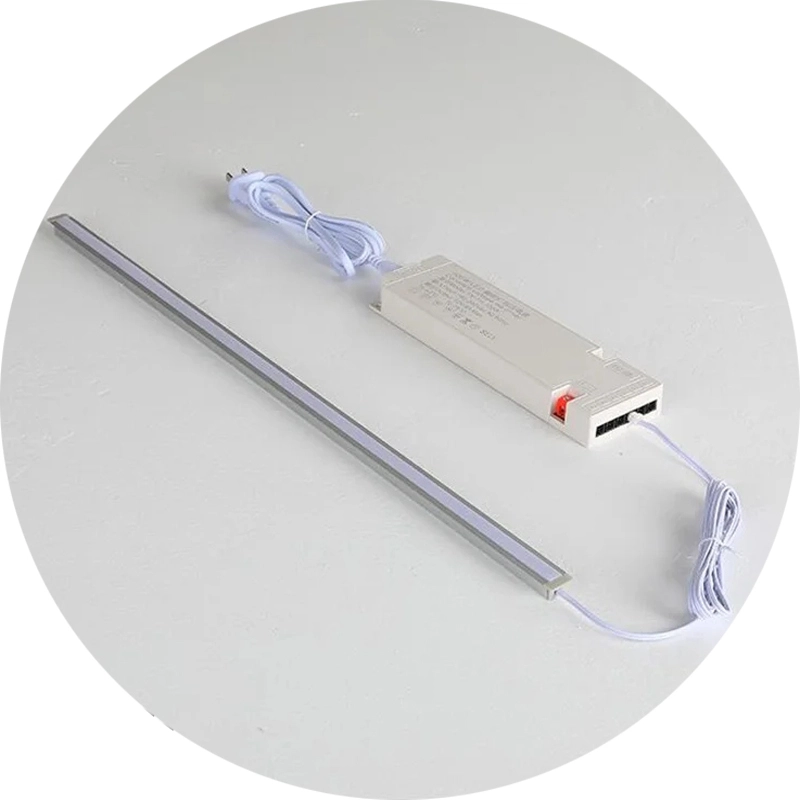
Driver LED e componenti di controllo opzionali
Il driver LED fornisce un'alimentazione stabile per il sistema di illuminazione, mentre i componenti opzionali come sensori di movimento, dimmer e controller intelligenti possono essere integrati per migliorare la comodità, l'efficienza energetica e l'esperienza dell'utente.
Combinando questi componenti modulari, un sistema di illuminazione per armadi senza saldatura offre un'alternativa più pulita, più veloce e flessibile alle tradizionali installazioni a strisce LED. Sta diventando una soluzione sempre più popolare per l'illuminazione di mobili moderni, l'interior design e i progetti di mobili personalizzati.
Striscia LED senza saldatura per illuminazione del mobile
La scelta della giusta striscia LED senza saldatura è importante tanto quanto selezionare il design del mobile stesso. Diversi progetti di mobili richiedono larghezze PCB diverse, livelli di luminosità e temperature di colore.
Per armadi, scaffali, mobili da cucina e mobili su misura, i design stretti di PCB e la tecnologia bianca sintonizzabili stanno diventando sempre più popolari perché offrono una maggiore flessibilità di installazione e comfort di illuminazione.
Popolare serie di strisce LED senza saldatura per l'illuminazione del mobile
La tabella seguente confronta diverse serie di strisce LED senza saldatura comunemente utilizzate nelle applicazioni di illuminazione per armadi.
| serie | Tipo di LED | Quantità di LED | Larghezza del PCB | Tensione di ingresso | Potenza | CRI | Potenza in lumen | Temperatura del colore |
| 2025-120-5mm-11.4W-CCT | 2025 SMD | 120 LED/m | 5 mm | DC12V / 24V | 11,4 W/m | RA90 | 557–606 lm/m | 2700–6500K |
| 2835-120-6.5mm-14.6W-CCT | 2835 smd | 120 LED/m | 6,5 mm | DC12V / 24V | 14,6 W/m | RA90 | 775–876 lm/m | 2700–6500K |
| 2025-150-5mm-14W-CCT | 2025 SMD | 150 LED/m | 5 mm | DC12V / 24V | 14 W/m | RA90 | 586–636 lm/m | 2700–6500K |
| 2025-200-5mm-16W-CCT | 2025 SMD | 200 LED/m | 5 mm | DC12V / 24V | 16 W/m | RA90 | 754–871 lm/m | 2700–6500K |
| 2835-120-4mm-10W-CCT | 2835 smd | 120 LED/m | 4 mm | DC12V / 24V | 10 W/m | RA90 | 382–414 lm/m | 2700 |
Come scegliere la giusta striscia LED senza saldatura
Per profili in alluminio ultra stretto
Se lo spazio di installazione è limitato, come mensole per guardaroba, vetri o mobili flottanti, i design PCB da 4 mm e 5 mm offrono una maggiore flessibilità mantenendo un aspetto pulito.
Per un'illuminazione senza soluzione di continuità e senza punti
Le densità a LED più elevate, come la serie 2025-200, producono un'illuminazione più fluida e uniforme se installata all'interno di profili in alluminio, rendendoli ideali per progetti di mobili premium.
Per un'illuminazione di attività più luminosa
Gli armadi da cucina e gli espositori al dettaglio richiedono spesso livelli di luminosità più elevati. In questi casi, la serie 2835-120-6,5 mm offre la massima potenza lumen tra le opzioni disponibili.
Per illuminazione del mobile bianca sintonizzabile
Tutte le serie supportano la tecnologia White Tunable da 2700K a 6500K, consentendo agli utenti di passare dall'illuminazione ambientale calda a un'illuminazione di lavoro più fresca in base a diversi scenari.
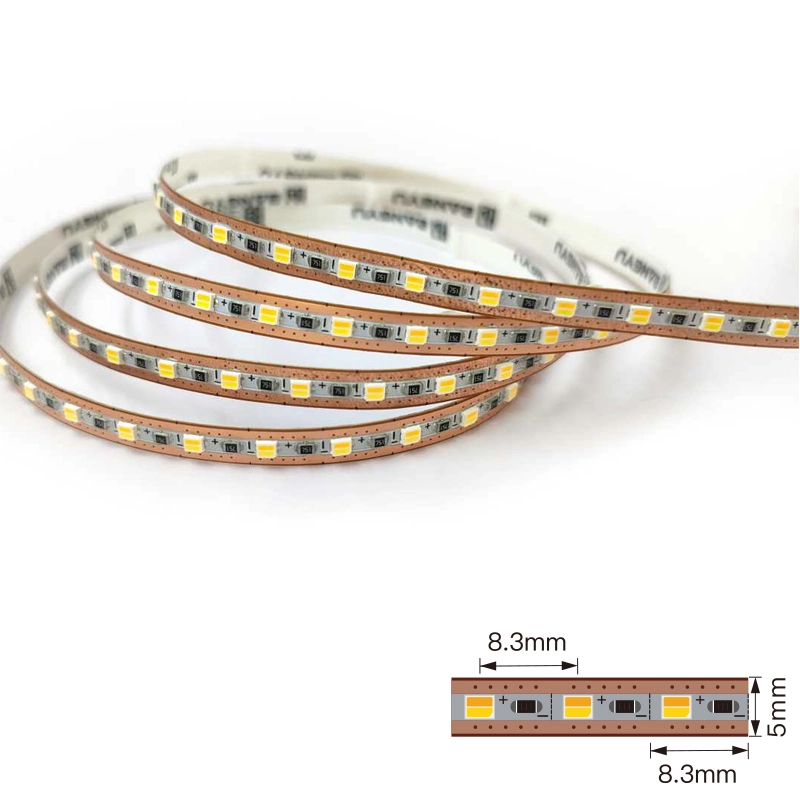
Luci a strisce LED senza saldatura 2025-120-5mm-11.4W-CCT
- Tensione di ingresso: DC12V/24V
- Tipo LED: 2025 SMD
- Qtà LED: 120 pezzi
- Watt: 5.7W+5.7W/m
- Colore: 2700-6500K
- CRI: RA 90
- Flusso luminoso: 557/606 lm/m
- Larghezza PCB: 5 mm
- Sopra la funzione supporta la personalizzazione
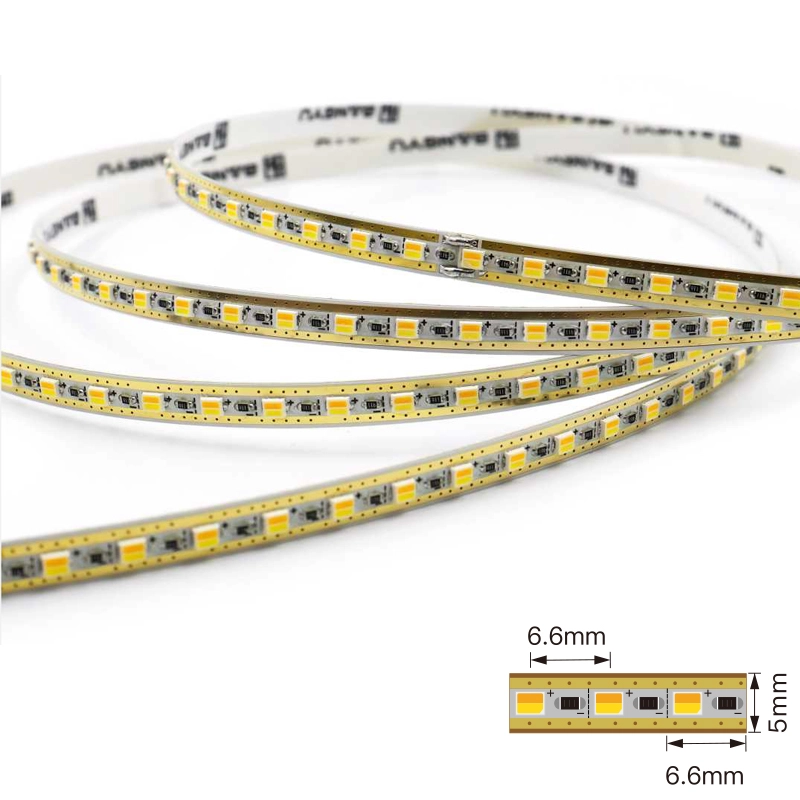
Luci a strisce LED senza saldatura 2025-150-5mm-14W-CCT
- Tensione di ingresso: DC12V/24V
- Tipo LED: 2025 SMD
- Qtà LED: 150 pezzi
- Watt: 7W+7W/m
- Colore: 2700-6500K
- CRI: RA 90
- Flusso luminoso: 586–636 lm/m
- Larghezza PCB: 5 mm
- Sopra la funzione supporta la personalizzazione
Perché l'illuminazione dell'armadio senza saldatura sta diventando un'alternativa preferita ai tradizionali sistemi a strisce LED
L'illuminazione moderna dell'armadio non è più giudicata solo dalla luminosità o dall'efficienza energetica. I produttori di mobili, i progettisti e gli installatori sono sotto pressione sempre più per ridurre i cicli di produzione, semplificare l'installazione e ridurre i costi di manutenzione. Di conseguenza, le tradizionali installazioni di luci a strisce a LED saldate stanno gradualmente lasciando il posto a sistemi di illuminazione modulari senza saldatura.
Il cambiamento non riguarda semplicemente l'eliminazione della saldatura, ma riflette le mutevoli esigenze della moderna produzione di mobili e del design d'interni. Dagli armadi e armadi da cucina, alle librerie e agli espositori al dettaglio, i sistemi di illuminazione dovrebbero essere più facili da installare, più flessibili da personalizzare e più semplici da mantenere nel tempo.
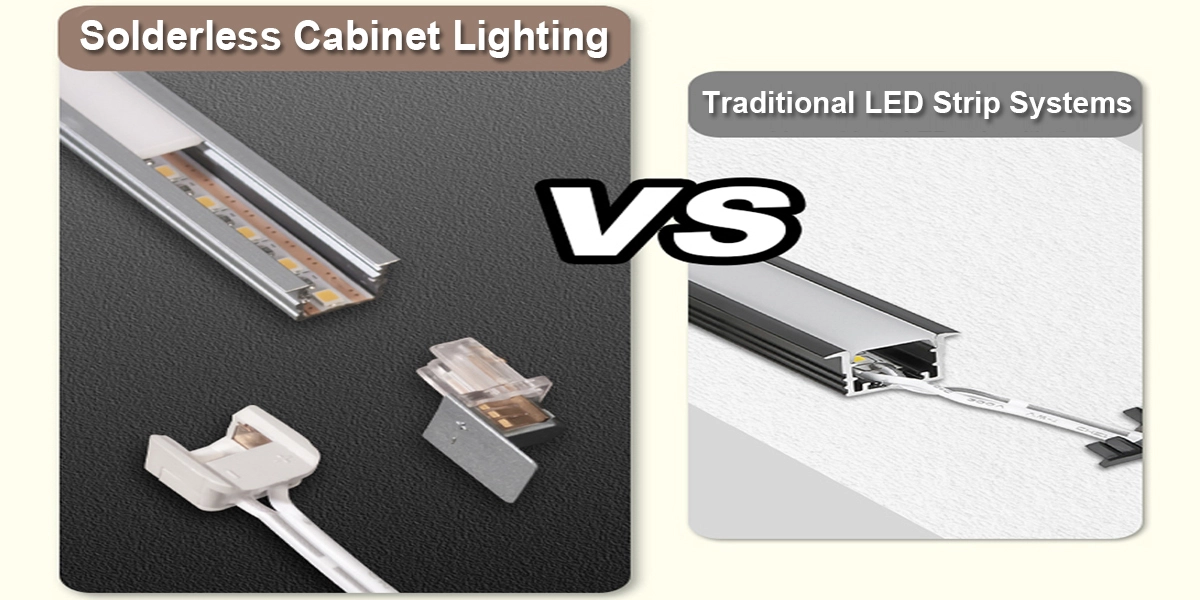
La tabella seguente mostra i requisiti chiave per i moderni progetti di illuminazione per armadi
| Di cosa hanno bisogno i progetti di mobili moderni | Sistemi tradizionali a strisce LED | Sistemi di illuminazione per armadi senza saldatura |
| installazione più veloce | Richiede spelatura, saldatura e test in loco | I connettori plug-and-play semplificano l'installazione |
| Manutenzione più facile | La sostituzione delle strisce danneggiate può richiedere il ricablaggio o lo smontaggio degli armadi | Singole strisce e connettori possono essere sostituiti rapidamente |
| Maggiore flessibilità per mobili su misura | Regolazioni del layout del limite dei giunti di saldatura fissi | Accessori modulari adattati a diversi design di armadi |
| Aspetto più pulito e professionale | I fili e i punti di saldatura potrebbero rimanere visibili | I connettori nascosti creano una finitura senza soluzione di continuità |
| Opzioni di taglio flessibili | Intervalli di taglio più lunghi possono creare macchie scure e scarti di materiale | Intervalli di taglio più brevi consentono layout più precisi |
| Riduzione del costo del lavoro in grandi progetti | Il tempo di installazione aumenta con la dimensione del progetto | L'assemblaggio più veloce migliora la produttività |
| futuri aggiornamenti e controlli intelligenti | L'aggiunta di sensori o dimmer richiede spesso il ricablaggio | Facile integrazione con sensori, dimmer e controller |
| Collegamento e sostituzione | Le sezioni danneggiate sono difficili da rimuovere una volta installate | Le strisce LED possono essere scollegate e sostituite senza saldare |
Il cablaggio tradizionale rallenta la produzione
Nei progetti di illuminazione convenzionale per armadi, gli installatori spesso devono tagliare fili, saldare i collegamenti e testare ogni sezione di illuminazione prima dell'installazione. Sebbene questi passaggi siano gestibili per piccoli progetti, diventano sempre più dispendiosi in termini di tempo nei sistemi di guardaroba su larga scala, scaffalature per negozi e produzione di mobili su misura.
L'illuminazione dell'armadio senza saldatura sostituisce il cablaggio manuale con connettori plug-and-play e componenti preconfigurati, aiutando i produttori a ridurre i tempi di montaggio e migliorare l'efficienza dell'installazione.
La manutenzione non dovrebbe richiedere la ricostruzione dell'armadio
Una delle maggiori sfide nell'illuminazione dei mobili è la manutenzione. Una volta che i sistemi di illuminazione sono integrati in armadi, armadi o scaffali per espositori, la sostituzione di una striscia LED danneggiata può richiedere lo smontaggio dei pannelli del mobile o il ricablaggio delle connessioni.
I sistemi modulari senza saldatura risolvono questo problema consentendo la sostituzione indipendente di strisce, connettori e accessori. Invece di sostituire l'intera installazione, gli utenti possono sostituire rapidamente solo i componenti danneggiati.
Arredi moderni richiede una maggiore flessibilità
Il design del mobile sta diventando sempre più personalizzato. Cabine armadio, scaffali galleggianti, vetri e vetrine raramente seguono dimensioni standard.
Le tradizionali strisce LED con punti di saldatura fissi spesso faticano ad adattarsi a questi layout. I sistemi senza saldatura, tuttavia, supportano il taglio flessibile, i connettori plug-and-play e le molteplici opzioni di installazione, rendendoli più facili da integrare in diversi design di mobili.
L'illuminazione dell'armadio sta diventando un sistema completo
Dieci anni fa, i clienti acquistavano principalmente strisce LED. Oggi si aspettano soluzioni di illuminazione complete che combinino strisce, profili in alluminio, driver, sensori e sistemi di controllo.
Questa transizione dai singoli prodotti ai sistemi integrati è uno dei motivi principali per cui l'illuminazione dell'armadio senza saldatura continua a guadagnare popolarità. Non è più semplicemente un accessorio di illuminazione, è diventato parte dei mobili stessi.
Il futuro dell'illuminazione per mobili è modulare
Poiché i costi di manodopera continuano a crescere e i progetti di mobili diventano più sofisticati, i sistemi di illuminazione modulari stanno gradualmente sostituendo le tradizionali installazioni saldate.
Per i produttori di mobili, gli interior designer e gli appaltatori, il vero vantaggio dell'illuminazione per armadi senza saldatura non è semplicemente l'assenza di saldature. È la possibilità di creare sistemi di illuminazione più veloci da installare, più facili da mantenere e più adatti agli interni moderni.
Dove viene utilizzata l'illuminazione dell'armadio senza saldatura? Applicazioni comuni di strisce LED
Originariamente sviluppato per semplificare l'installazione della luce a strisce a LED, l'illuminazione per armadi senza saldatura si è evoluta in una soluzione pratica per un'ampia gamma di mobili e applicazioni interne. Il suo design modulare, le connessioni nascoste e la facile manutenzione lo rendono particolarmente adatto per progetti che richiedono un'estetica pulita e layout flessibili.
Di seguito sono riportate alcune delle applicazioni più comuni.
Armadi e cabine armadio
Gli armadi e le cabine armadio richiedono spesso un'illuminazione morbida e uniforme per migliorare la visibilità senza esporre cavi o connettori. L'illuminazione dell'armadio senza saldatura può essere integrata in scaffali, aree di sospensione e cassetti utilizzando profili in alluminio e sensori di movimento.
Poiché i sistemi di stoccaggio dell'abbigliamento sono altamente personalizzati, le opzioni di taglio flessibili consentono agli installatori di adattare il layout dell'illuminazione a diverse dimensioni dell'armadio.
Mobili da cucina e illuminazione sotto il mobiletto
L'illuminazione a strisce a LED da cucina e sotto l'armadio deve essere funzionale oltre che visivamente accattivante. Le strisce LED senza saldatura sono comunemente installate sotto i pensili, all'interno dei cassetti e lungo i ripiani aperti per fornire l'illuminazione delle attività per la preparazione e la conservazione degli alimenti.
Rispetto ai metodi di cablaggio tradizionali, i sistemi senza saldatura semplificano l'installazione e semplificano la manutenzione futura.
Librerie e vetrine
Librerie, armadi in vetro e unità espositive beneficiano di un'illuminazione lineare senza soluzione di continuità che mette in evidenza oggetti decorativi senza creare punti di vista visibili.
Grazie a opzioni di taglio flessibili e connettori nascosti, l'illuminazione dell'armadio senza saldatura può essere integrata in spazi ristretti mantenendo un aspetto pulito.
Scaffalature al dettaglio e mobili commerciali
I negozi al dettaglio si basano sempre più sull'illuminazione integrata per migliorare la presentazione del prodotto e migliorare l'esperienza del cliente. Tuttavia, le installazioni su larga scala richiedono anche un assemblaggio efficiente e una manutenzione conveniente.
I sistemi di illuminazione modulari senza saldatura aiutano a ridurre i tempi di installazione e consentono la sostituzione rapida delle sezioni danneggiate, rendendole ideali per scaffalature al dettaglio, vetrine e progetti di mobili commerciali.
Mobili per ufficio e interni personalizzati
Gli uffici moderni e gli interni commerciali spesso incorporano l'illuminazione in armadi, banchi di reception e scaffalature.
Poiché i sistemi di illuminazione per armadi senza saldatura supportano dimmer, sensori e controlli intelligenti, può adattarsi alle mutevoli esigenze dello spazio di lavoro mantenendo un design minimalista.
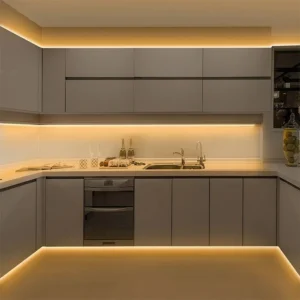
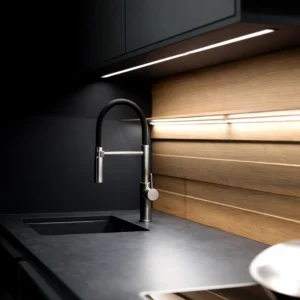
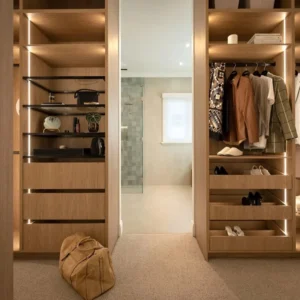
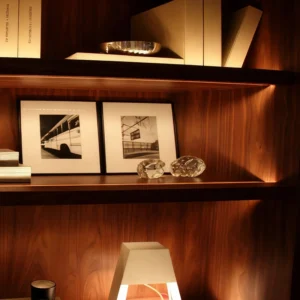
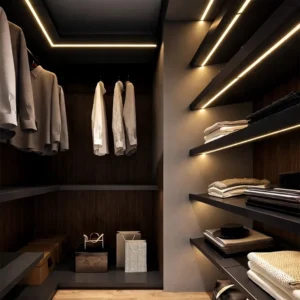
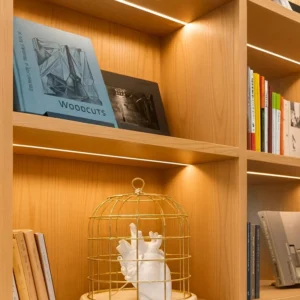
Perché l'illuminazione a strisce a LED sotto l'armadio è popolare nelle cucine moderne
Sotto l'illuminazione a strisce a LED del mobile è diventata una delle soluzioni di illuminazione più popolari per cucine, armadi e vetrine moderne. Rispetto alle tradizionali luci a disco o alle lampade fluorescenti, le luci a strisce a LED offrono un'illuminazione più uniforme, un'installazione flessibile e un'integrazione più facile con i design dei mobili.
Se combinati con connettori senza saldatura, profili in alluminio e controlli intelligenti, i sistemi di illuminazione sotto l'armadio possono essere installati, mantenuti e aggiornati in modo più efficiente.
Le luci a LED per mobili da cucina sono ampiamente utilizzate per illuminare i controsoffitti, migliorare la visibilità e creare un design interno più pulito e moderno. Il loro profilo sottile e l'installazione nascosta li rendono particolarmente adatti per applicazioni di illuminazione sottocabineria in cui sia la funzionalità che l'estetica sono importanti.
Sebbene l'illuminazione sotto l'armadio sia più comunemente associata agli armadietti da cucina, gli stessi principi di illuminazione sono sempre più utilizzati negli armadi, negli scaffali, nelle vetrine e in altri progetti di mobili su misura che richiedono un'illuminazione nascosta e un aspetto pulito.
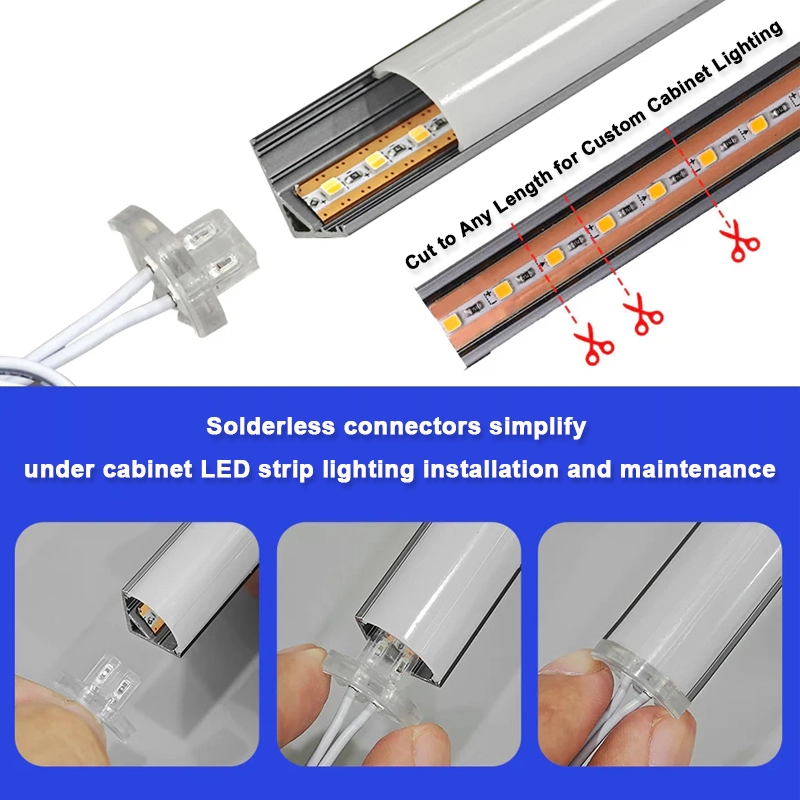
Perché scegliere le luci di striscia a LED per gli armadi sotto?
Rispetto alle tradizionali luci a disco e alle lampade fluorescenti, le luci a strisce a LED creano un effetto di illuminazione più pulito e senza soluzione di continuità sotto gli armadi. Il loro profilo sottile consente loro di rimanere quasi invisibili offrendo al contempo un'illuminazione uniforme su ripiani, scaffali e aree di stoccaggio.
Per mobili da cucina e mobili su misura, le strisce LED offrono anche una maggiore flessibilità perché possono essere tagliate a misura e integrate con profili in alluminio, dimmer, sensori di movimento e controlli intelligenti.
Inoltre, i sistemi modulari senza saldatura semplificano l'installazione e la manutenzione consentendo di collegare, regolare o sostituire singole sezioni di illuminazione senza ricablare.
12V vs 24V LED luci di striscia per l'illuminazione sotto l'armadio
La selezione della tensione corretta è una parte importante della progettazione di un sistema di illuminazione sotto l'armadio. Sia la luce a strisce LED da 12 V che da 24 V è ampiamente utilizzata, ma funzionano in modo diverso a seconda della lunghezza dell'installazione e delle dimensioni dell'armadio.
| featura | Striscia LED 12V | 2Striscia LED 4V |
| lunghezza massima di corsa | minore | più a lungo |
| caduta di tensione | Più alto | Più basso |
| Flessibilità di taglio | meglio | Buono |
| Il migliore per | Armadi e corse brevi | Cucine e grandi progetti di mobili |
Illuminazione a strisce LED a LED con cablaggio VS plug-in sotto l'armadio
Le luci a LED plug-in sono popolari nei progetti fai-da-te perché sono facili da installare e non richiedono modifiche elettriche. I proprietari di abitazione possono aggiungere rapidamente illuminazione sotto armadi da cucina, scaffali o scaffali espositori utilizzando componenti plug-and-play.
I sistemi cablati, tuttavia, sono più comuni nelle installazioni permante di cucine, nei progetti di mobili commerciali e negli interni di fascia alta. Nascondendo il cablaggio all'interno di armadi e pareti, le soluzioni cablate creano un aspetto più pulito e consentono ai sistemi di illuminazione di integrarsi perfettamente con interruttori, sensori e dimmer.
Molti moderni sistemi di illuminazione sotto l'armadio supportano anche sensori di porte, sensori di movimento e controlli intelligenti, fornendo una maggiore praticità ed efficienza energetica.
Come installare l'illuminazione dell'armadio senza saldatura: installazione a strisce LED senza saldatura
Uno dei maggiori vantaggi dell'illuminazione dell'armadio senza saldatura è che semplifica l'installazione senza sacrificare la flessibilità. A differenza dei tradizionali sistemi a strisce LED che richiedono spelatura e saldatura, le soluzioni senza saldatura si basano su connettori plug-and-play e componenti modulari, semplificando l'installazione, la regolazione e la manutenzione.
Sebbene il processo esatto possa variare a seconda del design dei mobili e delle esigenze di illuminazione, la maggior parte dei progetti di illuminazione per armadi segue lo stesso flusso di lavoro di base.
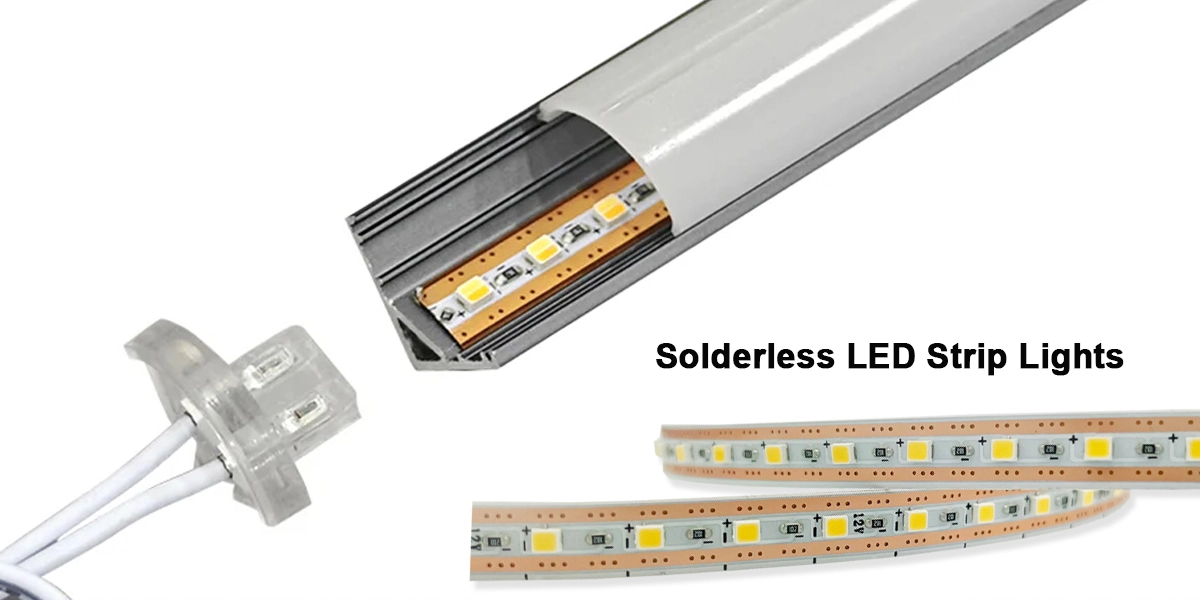
Passaggio 1: pianifica il layout dell'illuminazione
Prima dell'installazione, determinare dove saranno posizionati le luci di striscia a LED senza saldatura, i profili in alluminio, l'alimentatore e gli accessori. Un layout ben pianificato aiuta a ridurre i tempi di installazione e riduce al minimo le modifiche non necessarie in seguito.
Quando si pianifica il sistema, considerare quanto segue:
- Dimensioni del mobile e spaziatura degli scaffali
- Installazione da incasso o da superficie
- Instradamento del cavo di alimentazione
- Sensore e posizione degli interruttori
- Accesso alla manutenzione futura
Per armadi e vetrine, il passaggio dei cavi nascosti e il posizionamento dei connettori sono particolarmente importanti per ottenere un aspetto pulito.
Passaggio 2: installare il profilo in alluminio per l'illuminazione a strisce LED
Misurare e tagliare il profilo in alluminio secondo le dimensioni del mobile, quindi fissarlo nella posizione desiderata.
A seconda dell'applicazione, è possibile utilizzare diversi tipi di profilo:
- Profili incassati per armadi e mobili di alta qualità
- Profili da cucina per mobili da cucina
- Profili angolari per scaffali e vetrine
Oltre a proteggere le luci a LED, i profili in alluminio migliorano la dissipazione del calore e creano un effetto di illuminazione lineare senza soluzione di continuità.
Passaggio 3: taglia e collega le luci a strisce a LED utilizzando connettori senza saldatura
Tagliare le luci a LED lungo i segni di taglio designati e collegarli utilizzando connettori compatibili senza saldatura.
Rispetto alle installazioni tradizionali, i sistemi senza saldatura eliminano la necessità di spelatura e saldatura, rendendo l'installazione più veloce e flessibile.
Per garantire prestazioni affidabili, controllare quanto segue prima dell'assemblaggio finale:
- Compatibilità larghezza PCB
- Tensione d'ingresso
- Tipo di connettore
- Allineamento polarità
Poiché il sistema è modulare, la striscia può essere regolata o sostituita più facilmente se il layout del cabinet cambia. Diversi tipi di strisce LED, tra cui strisce LED COB e strisce LED SMD, possono richiedere diversi modelli di connettori. Verificare sempre la larghezza della striscia, la tensione e la compatibilità del connettore prima dell'installazione per garantire connessioni affidabili.
Passaggio 4: collegare il driver LED e i componenti di controllo
Dopo aver installato la striscia LED, collegarla all'alimentatore e a qualsiasi accessorio opzionale, come ad esempio:
- Sensori di movimento
- Interruttori a sfiora
- Dimmer
- Controller intelligenti
Prima di fissare tutti i componenti in modo permanente, testare il sistema per assicurarsi che ogni sezione funzioni correttamente.
Passaggio 5: completare l'installazione e testare il sistema
Installare il coperchio del diffusore, organizzare i cavi ed eseguire un'ispezione finale dell'intero sistema di illuminazione.
Un sistema di illuminazione per armadi senza saldatura adeguatamente progettato non solo dovrebbe fornire un'illuminazione uniforme, ma anche consentire future manutenzione e aggiornamenti senza rimuovere la struttura dell'armadio.
FAQ
Conclusione
L'illuminazione moderna dell'armadio non riguarda più solo l'aggiunta di illuminazione: è diventata una parte essenziale del design dei mobili, dell'efficienza dell'installazione e della manutenzione a lungo termine.
Rispetto ai tradizionali sistemi a strisce a LED saldate, l'illuminazione per armadi senza saldatura offre una soluzione più veloce, più pulita e più flessibile per armadi, armadi da cucina, scaffali, espositori al dettaglio e progetti di mobili su misura. Con connettori plug-and-play, accessori modulari e facile manutenzione, aiuta i produttori e gli installatori a semplificare l'assemblaggio creando effetti di illuminazione senza interruzioni.
Poiché il design dei mobili continua ad evolversi verso la personalizzazione e l'integrazione intelligente, i sistemi di illuminazione modulari dovrebbero svolgere un ruolo sempre più importante nei progetti futuri.
Che tu stia progettando una cabina armadio, aggiornando l'illuminazione sotto il mobile o sviluppando soluzioni di mobili su misura, la scelta del giusto sistema di illuminazione per armadi senza saldatura può migliorare significativamente sia l'efficienza dell'installazione che l'esperienza utente.
Cerchi una soluzione di illuminazione per armadi senza saldatura per il tuo prossimo progetto? Esplora i nostri sistemi di illuminazione per armadi, profili in alluminio e accessori modulari per trovare la configurazione che meglio si adatta alle tue esigenze di progettazione.
Scritto da Elaine Zhu
Direttore Generale presso SignliteLEDRecensito tecnicamente da Jason Chen
Leader di ricerca e sviluppo, SignLiteled
E-mail: info@signliteled.com
Post correlati