日本語
日本語  English
  简体中文
简体中文  Deutsch
  Español
  Français
  Italiano
  한국어
한국어  Polski
  Português
  Русский
  Türkçe
  Nederlands
  Tiếng Việt
  ไทย
ไทย 
照明付きチャンネル文字記号を選択するには、3 つの決定事項を建物とブランドに合わせます。照明スタイル (大胆なフルフェイスの明るさを表し、リバース/ハロライト、高級フローティング グロー、昼夜を問わず最大のインパクトを実現する組み合わせ、レトロな露出の場合はオープンフェース)、取り付け方法 (レースウェイ、フラッシュ、またはバッカー) の取り付け方法 (レースウェイ、フラッシュ、またはバッカー) の取り付け方法 (レースウェイ、フラッシュ、またはバッカー) の部分の取り付け方法 (レースウェイ、フラッシュ、またはバッカー) の部分の取り付け方法 (レースウェイ、フラッシュ、またはバッカー) の部分の取り付け方法 (レーシング アングル、モジュール スペーシング、カラー オブ ザ レター) — LED の文字 (ビーム アングル、モジュール スペーシング、カラー コンシステンシー、アイ レーティング) の部分。
この記事では、これらの決定のそれぞれについて詳しく説明します。主な照明の種類とコスト、材料の持続、3 つの取り付け方法の違い、正確な見積依頼のスペックの正確な仕様、許可の基本など、ビジネス オーナー、サイン デザイナー、またはプロジェクト マネージャーのいずれであっても、実行して持続する標識を指定できます。
照らされたチャンネルの文字サインとは何ですか?
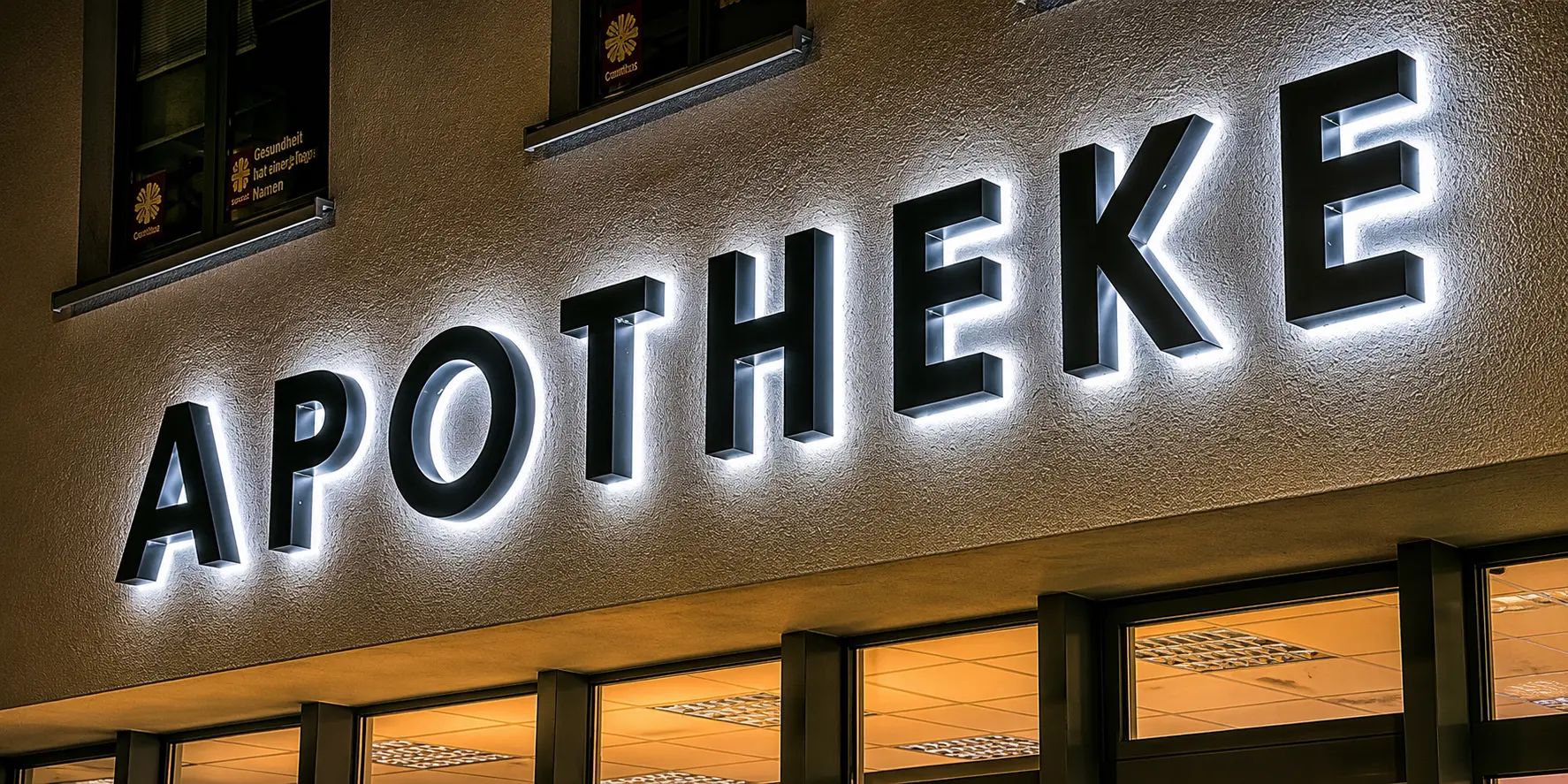
照らされたチャンネル文字 3 次元の、個々に製造された文字、数字、またはロゴの形が内側から点灯しており、ほとんどの場合 LED で照らされています。 各文字は、それ自体の小さな囲いであるため、日中と暗い後の両方で、結果はシャープで高コントラストに見えます。
「照らされた記号」は幅広いカテゴリーであり、3D チャンネル文字がその中で主なタイプです。2 つの用語は同じ意味で使用され、このガイドではそのように使用します。
すべてのチャンネル文字は同じコア パーツから作成されており、それらを知ることで、このガイドの残りの部分をより簡単に理解できます。
- 戻る — 深さを与える文字の側壁。 通常はアルミニウム、または過酷な環境向けのステンレス鋼。
- 面 — 光が (正面に照らされた文字) またはしっかりしたままである前面 (ハロー文字)。 ほとんどの場合、厚さ 5 mm (3/16 インチ) の半透明のアクリルです。
- 戻る — リアパネル。 正面に点灯した文字は、金属の金属で、光が壁に向かって逃げるようにハロー文字では透明または半透明です。
- トリム キャップ — 面とリターンを結合して、完成した境界線を与えるエッジ。 一部の文字は、よりすっきりとした外観のためにトリムレスに作られています。
- LED ソース — 文字内の照明 (モジュールまたはストリップ)。
- 電源 (ドライバー) — LED が動作する低電圧 DC に電源電圧を変換します。
- 取り付けハードウェア — スタッド、スペーサー、レースウェイ、または建物の看板を固定する後援者。
明るさに影響するため、早期にフラグを立てる価値のある 1 つの詳細: 返品の内側は白く塗られています。 白いインテリアは、むき出しの明るい部分よりもはるかに多くの光を顔から反射するため、完成した文字の明るさと均一性を直接改善します。
主なタイプ (照明スタイル別)
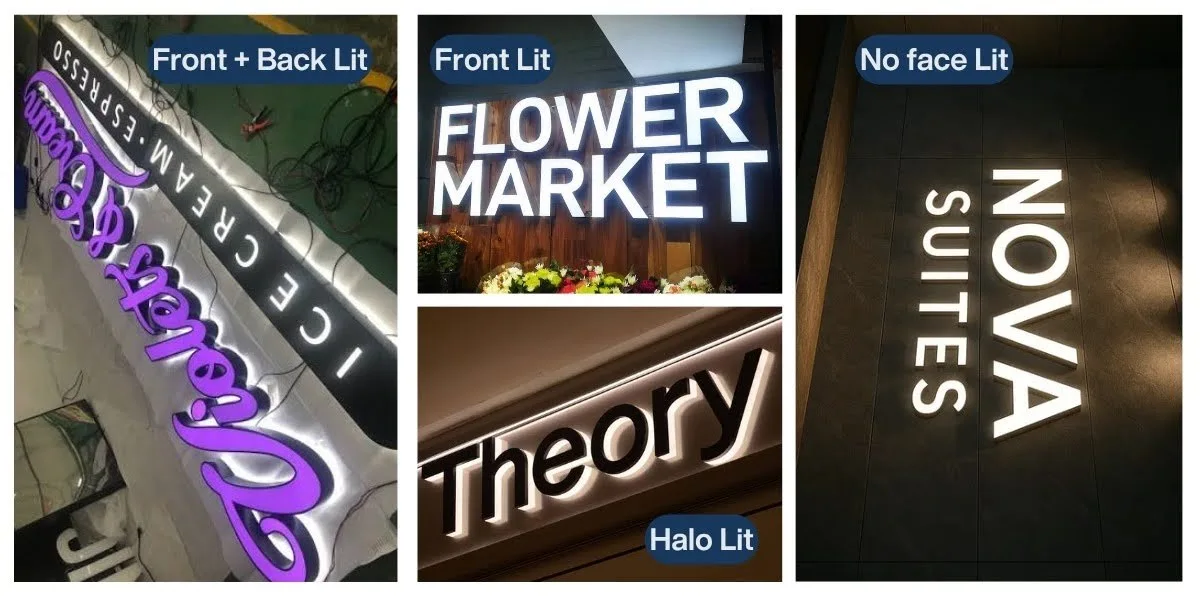
チャンネル文字は、ライトが文字から抜ける場所によってグループ化されます。その選択によって、内部で必要な外観、コスト、取り付け、LED レイアウトが変わります。 見た目だけでなく、トレードオフをリードすることは価値があります。
- フロントライト (フェイスライト) が標準で、最も手頃な価格です。 白または色の LED モジュールは、文字の内側のグリッドに配置され、半透明のアクリル面から光を押し出します。 店頭での最高の視認性。
- リバース / ハローライトは、金属の表面をしっかりと保ち、開いた光を後ろの壁に押し出し、柔らかな輝きを生み出し、文字が浮き上がるように見せます。 エレガントでプレミアムですが、アンビエント エフェクトです。そのため、前面に照らされた顔よりも「明るく」とは感じず、後ろの滑らかな明るい色の壁に依存します。 暗い壁や質感の強い壁がグローを吸収または散乱してハローを弱体化させるため、フロントに照らされた面ではより安全な選択が可能です。
- コンビネーション (フロント + バック) は、両方の両方を一度に行い、多くの場合、2 つの異なる色を使用します。 これは、最も明るく、最も目を引くオプションであり、最も高価です。
- オープン フェースは、クリア フェイス (またはフェースなし) を使用するため、ランプ自体が見えるようにして、レトロな露出を実現します。 印象的で装飾的で、通常、フェイク ネオン LED と組み合わせています。
2 つの構造のバリエーションも表示されます。サイドライトの文字で、光が半透明のリターンを介して脱落して装飾的なエッジを光らせ、トリムレスな文字を使用します。前面に照らされ、よりクリーンでハイエンドな面のトリム キャップのエッジが見えません。
多くの初めての購入者を魅了する実用的なカラー ノート: 白は夜に最もよく読みます。暗い空の色に近いため、青は最も弱いです。 ブランドの色を暗くする必要がある場合、製造業者は、昼夜を問わずブランドの色を表示し、暗くなると白く光る昼夜を問わず、よく使用します。
照度の種類を比較
| タイプ | どのように点灯するか | LED ソース内部 | 相対輝度 | 費用 — そしてその理由 | 最適 |
| フロントライト (フェイスライト) | 透き通った顔を通して光 | 顔の後ろのグリッド内の LED モジュール | 高い (太字、全面) | 最も低い照明タイプ — 1 つの LED レイヤー | 店頭、小売 — 最も一般的な |
| 逆/ハロライト | 固い顔; 光が背中から壁にこぼれる | 壁を狙って、背面のモジュールまたはストリップ | 中(ソフト アンビエント ハロー) | フロントライトより高い — ソリッドメタルフェース + スタンドオフ取り付け | プレミアム オフィス、ロビー、機能壁 |
| 組み合わせ(前面+背面) | フェイスグローとハローを一緒に | 2 つの LED レイアウト、多くの場合 2 つの色 | 高すぎる | 最高 — 2 つの LED レイヤー、多くの場合 2 つの色 | フラグシップ、インパクトの高いブランドの看板 |
| オープンフェース | 透明/不在の顔の後ろに露出したランプ | フェイクネオン LED または露出モジュール | 高く、装飾的 | 中程度 — 単一の露出ランプ層 | バー、レトロなテーマ、アクセントの看板 |
費用についてのメモ。 完成したチャンネル文字のサインの価格は、市場、サイズ、仕上げ、照明の種類、設置によって大きく異なるため、どの数字も大まかな指標にすぎません。 信頼できるのはコスト ドライバーです。フロント ライトは最も経済的で、最も高価な組み合わせであり、どのタイプでも、文字サイズと深さ、総 LED 数、チップ グレード、IP 評価、および注文数量を含むコスト スケールが最も高くなります。 SignliteLED のような工場から直接 LED コンポーネントを調達する場合、価格は正確にこれらの要因に基づいており、正確な数値を得るために、手紙のサイズ、照明の種類、数量を送ってください。
材料とビルドの品質 (長持ちするもの)
重要な決定のほとんどは、単純な質問に帰着します。サインはどこにあるのでしょうか?
- 戻り値: アルミニウム (通常は 0.040 ~ 0.063 インチ前後) がデフォルト — 軽量で錆びにくく、成形が簡単です。 沿岸、海洋、または高汚染のサイトの場合、ステンレス鋼 (最も過酷な塩気の場所ではグレード 304、または 316) の方が、腐食にはるかによくなります。
- 面: 半透明のアクリルは、約 5 mm (3/16 インチ) で標準的で、光をよく拡散します。 大きな面、地面の標識、または破壊者の可能性のある場所など、耐衝撃性が重要なポリカーボネートに切り替えます。
- 裏面: 正面に点灯する文字にはアルミニウムが固いアルミニウム、透明なアクリルまたはポリカーボネートでハロ文字には透明な文字で壁に通じます。
- トリム キャップまたはトリムレス: UV で安定したトリム キャップが耐久性のある仕上げのエッジを与え、トリムレスなビルドがよりクリーンでモダンなフェイスを実現します。
コンポーネント別の材料
| コンポーネント | 一般的なオプション | 典型的なスペック | いつ選択するか |
| 戻る (側壁) | アルミニウム/ステンレス鋼 | ~0.040–0.063 インチのアルミニウム; 304 または 316 SS | 沿岸/腐食用の SS; ほとんどのプロジェクトでアルミニウム |
| 顔 | アクリル / ポリカーボネート | ~5 mm (3/16 インチ) 半透明 | 衝撃、大型、または破壊性の強い顔のためのポリカーボネート |
| かえれ | 固体アルミニウム / 透明なアクリルまたは PC | — ね | ハロー (リバース ライト) の文字には、バック ルックが必要です。 |
| 縁 | トリムキャップ / トリムレス | UV 安定性のプラスチック キャップ | トリムレスで、すっきりとしたモダンな外観 |
| LED ソース | モジュール / S タイプ ストリップ | DC12~24 V、IP65 ~ IP67 | 曲線、スクリプト、または浅い文字のストリップ |
取り付け方法 (Raceway 対 Flash 対 Backer)
取り付け方法は、通常、建物の所有者と壁の構成によって決定されます。
- レースウェイ マウント: 文字は、配線とドライバーを保持するスリムな金属製の箱 (レースウェイ) に事前に取り付けられ、ユニット全体が 1 つのピースとして壁に取り付けられます。 必要な穴が最も少ないため、家主や不動産管理者はよくそれを好む。 レースウェイはファサードに合わせてペイントされ、後退します。
- フラッシュ/ダイレクト マウント: 各文字は建物の面に直接固定され、配線はファサードの後ろに配線されます。 最もクリーンでプレミアムな外観を提供しますが、より多くの穴と内部へのアクセスが必要です。 ハロー文字は、この方法を、文字を壁から離してグローにするスタンドオフ スペーサーで使用します。
- バッカー / ワイヤーウェイ マウント: 文字は、すべての配線を隠し、2 つ目のカラー レイヤーを追加できる、より大きなパネルまたはキャビネットに置かれます。 不均一または建築的に複雑な壁や、統一されたブランドのパネルが必要な場合に最適です。
トリッキーなファサードの場合、ハイブリッド マウント (たとえば、小さなレースウェイの文字をバッカー パネルに固定します) は、2 つの方法の利点を組み合わせます。
保守性も重み付けする価値があります。レースウェイまたはバッカー パネルは、技術者がドライバーと配線にアクセスできる単一のコンパートメントを提供し、通常、壁の後ろから、内部にアクセスする必要がある、壁の後ろからサービスを提供します。
取り付け方法を比較
| 方法 | 壁の貫通 | 配線を隠す | みて | 最適 |
| レースウェイ | 少数(レール1台) | はい(レールの内側) | 文字の後ろにある微妙な塗装箱 | 賃貸スペース、家主の制限 |
| フラッシュ / 直接 | 多く (1 文字あたり) | ファサードの後ろ | 最もきれいで、最もプレミアム | 所有する建物; ハロー文字 (スタンドオフ付き) |
| 支援者 / ワイヤーウェイ | 少数から中程度 | はい(パネル内) | 統一パネル、追加のカラー レイヤー | 凹凸のある/複雑な壁、ブランドのパネル |
実際に品質を決定する照明仕様
これは、ほとんどのバイヤーズ ガイドがスキップする部分です。これは、数か月以内にホット スポット、暗いバンド、または斑状の色を示すものと、何年も均等に光るサインを分離するものです。 その背後にある完全なエンジニアリングについては、SignLiteLED のコンパニオン ガイドで説明しています。 照明付きサイン文字の中で使用される LED 照明は何ですか; 購入者として決定する必要があるものは次のとおりです。
どの光源: モジュールまたはストリップ
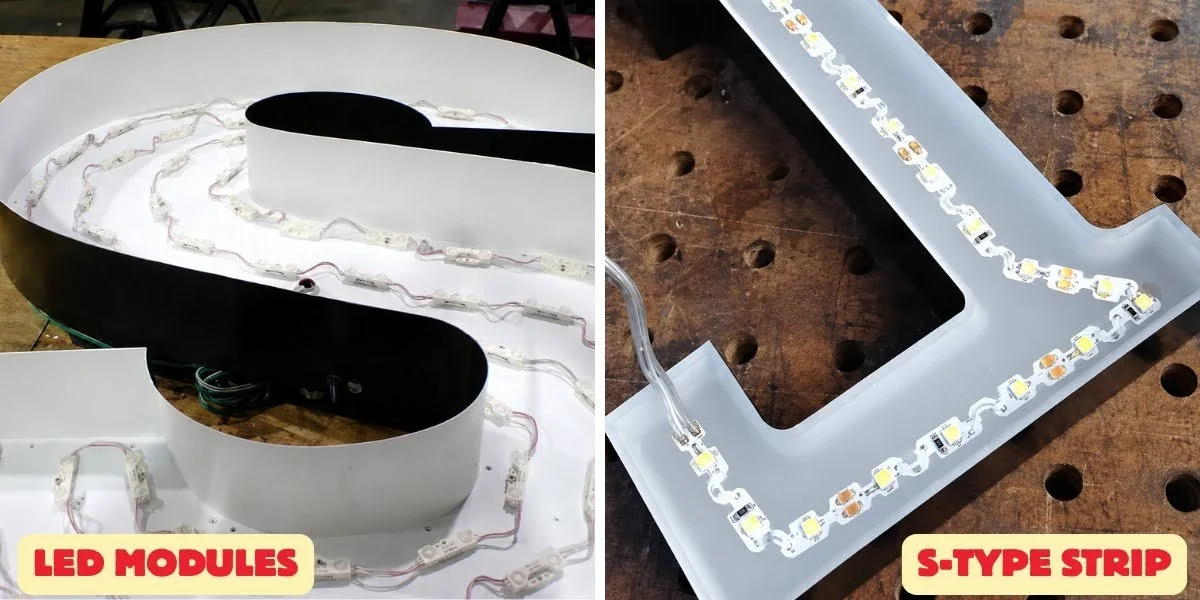
チャンネル文字の内側で選択は簡単です。LED サイン モジュール (SMD 2835 または RGB 用 SMD 5050) は、標準ブロック文字の主力製品であり、S タイプのフレキシブル ストリップは、狭い曲線、スクリプト、ロゴ、およびモジュールの剛性グリッドがきれいに収まらない非常に浅い文字を引き継ぎます。
「良い」照明とは何か、そして何を求めるべきか
文字は均一に光り、何年もの間、内部の照明が 5 つのボックスに刻み込まれ、長持ちします。適切なモジュール間隔で幅が 160° の広いビーム、しっかりとビンにされた 3 ステップのマカダム (SDCM) チップ、定電流ドライブ、正しい IP 定格 (IP65 アウトドア、IP67 コースタル)、購入決定の場合、下の 2 つの表は、モジュールの選択肢とスペック シートを手に入れることができます。
前もって作る必要があるのは、色温度 — 6500k クール ホワイトで鮮明でモダンな外観にするか、3000k の暖かい白でより柔らかく、より柔らかく、色を変える効果に RGB (SMD 5050) が必要かどうかです。
LED モジュール / ソース選択ガイド
| 文字の深さとストローク | 推奨されるソース/オプティクス | 1 フィートあたりのモジュール (通常) | 注意事項 |
| 浅い 2 ~ 3 インチ、シングル ≤4 インチのストローク | ロープロファイルワイドビームモジュール、または S タイプのストリップ | ~4–6 / フィート | 均一に点灯するのが最も難しい;顔を拡散させる |
| 標準の 4 ~ 8 インチ、≤4 インチのストローク | ワイドビーム ~160° モジュール、1 行 | ~3 /ft | より深いリターンが可能にする |
| 4 ~ 8 インチ、4 インチ以上のマルチストローク | ワイドビーム モジュール、複数行 | ~3 / フィート×行 | ストロークの約 4 インチあたりに行を追加する |
| 湾曲した / スクリプト / ロゴ、深さ | S タイプ 6 mm フレキシブル ストリップ | 連続走行 | よじれのない、きつい半径の後に続く |
| ハロー/リバースライト | 背面のモジュールまたはストリップ | レイアウトごと | 壁にさえ輝き、対立がギャップを設定します |
推奨される SignLite コンポーネント
具体的には、チャネル文字については、次のことについて質問する SignLite コンポーネントです。
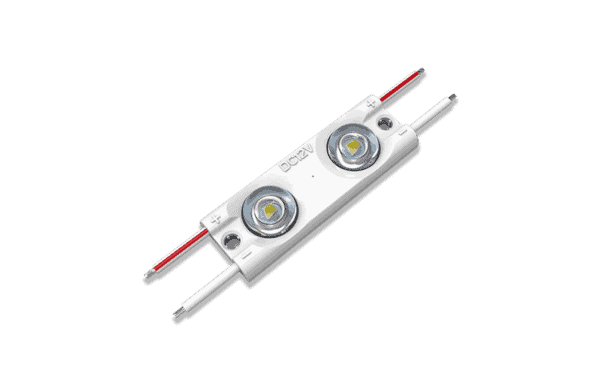
単一色2LED DC12V LEDモジュールライト
- 放熱性の高い PCB 設計
- 長寿命の低光障害
- より明るく効率的な出力を実現する 9V 高出力 LED チップ
- 電圧降下を抑える定電流設計
- チェーンごとに接続する
- 均一な照明用の 160° レンズ
- 薄いサインに適しています
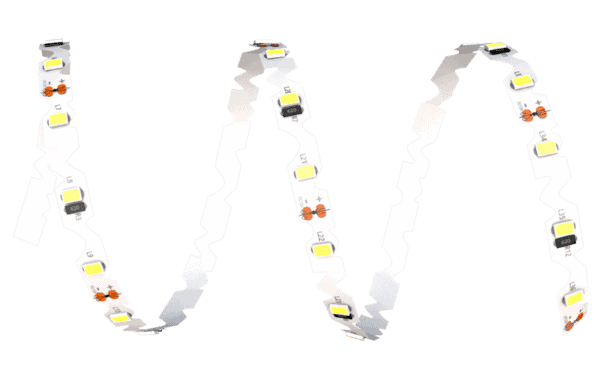
SMD2835 60LED 6mm S 字型白色 LED ストリップ ライト
- LEDタイプSMD2835
- LED 密度: 60 LED/m
- PCB幅:6mm
- ストリップのデザイン: S 字型のフレキシブル PCB
- 色: 白
- 発光効率: 220 lm/w
- 入力電圧: 12V / 24V DC
- CRI (カラーレンダリング インデックス): RA ≥ 80
- ビーム角:120
すべて、OEM/ODM カスタマイズと最低 3 年間の保証を備えた工場出荷時の直接利用が可能です。 コンポーネントだけではなく、完全に完成したサインのために、SignLiteLed は製造業者も製造しています。 カスタムの照明付き文字とチャネル文字記号 あなたのロゴと仕様に。
見積もりを依頼するときに指定すること
このチェックリストを直接見積依頼にドロップします。 記入すればするほど、見積もりがより正確になり、インストール時の驚きも少なくなります。 以下のすべてのパラメーターは、記号の外観や長持ちする時間に影響を与える実際の決定に対応しています。
スペックシートのチェックリスト
| パラメータ | 要求する値の例 | なぜ重要なのか |
| 照明の種類 | 正面の白モジュール | 外観とモジュール数を設定します |
| LEDタイプ | SMD 2835 (ホワイト) / SMD 5050 (RGB) | 出力と色の機能 |
| 色温度 | 6500k クール / 3000k ウォーム | ブランドマッチ + 昼夜の読みやすさ |
| 色の一貫性 | ≤3 ステップのマカダム (SDCM) | 斑状の青/暖かい白い顔を防ぎます |
| ビーム角 | ~160°幅レンズ | 充填、ホットスポットの数、モジュールの削減 |
| ドライブタイプ | 定電流 | 明るさと端から端まで等しい |
| 電圧 | DC12V (小) / DC24 V (大) | 長時間の実行時の効率と配線 |
| IP等級 | IP65 屋外 / IP67 沿岸 | 雨、ほこり、湿気を生き残る |
| 電源 | 防水性、定電圧、負荷 ≤80% (例: 平均 XLG IP67 を意味します) | ドライバーは通常の失敗点です |
| 認証 | UL / ETL / CE / RoHS | 許可と輸入コンプライアンス |
| 保証 / ルーメン寿命 | 3 ~ 7 年、約 50,000 時間 (L70) | 現実的なライフサイクルの期待 |
| 動作温度 | ~-20 °C ~ +50 °C | 設置環境に合わせて |
許可、コード、コンプライアンス
ほとんどの照明付きのチャンネル文字の設置には、サイン許可 (サイズ、配置、ゾーニング用) と電気的許可 (配線用) の 2 つの承認が必要です。 いくつかの実用的なポイント:
- 製造する前に、ローカル サイン コードを確認してください。 多くの法域では、標識の総面積を制限し、高さ、セットバック、さらには照明時間を制限しています。これらの制限を破る完成標識を再構築する必要があるため、製造前にこれらの制限を確認してください。
- コード認識コンポーネントを使用します。 UL/ETL に記載されている LED モジュールと電源装置を探します。検査官と AHJ (管轄権を持つ当局) はそれらを期待し、電気的サインオフを容易にします。
- 大規模または屋上の標識は構造の見直し (風力と荷重) を引き起こす可能性があるため、壁がサインを早期に運ぶことができるかどうかを確認してください。
- 検査と将来のサービスのために、配線図とコンポーネント リストをファイルに残しておきます。
ルールは都市や国によって大きく異なるため、ローカル コードの代わりとして、インストーラーまたは地方自治体と一緒に提起するチェックリストとしてこれを扱います。
アプリケーション・シナリオ
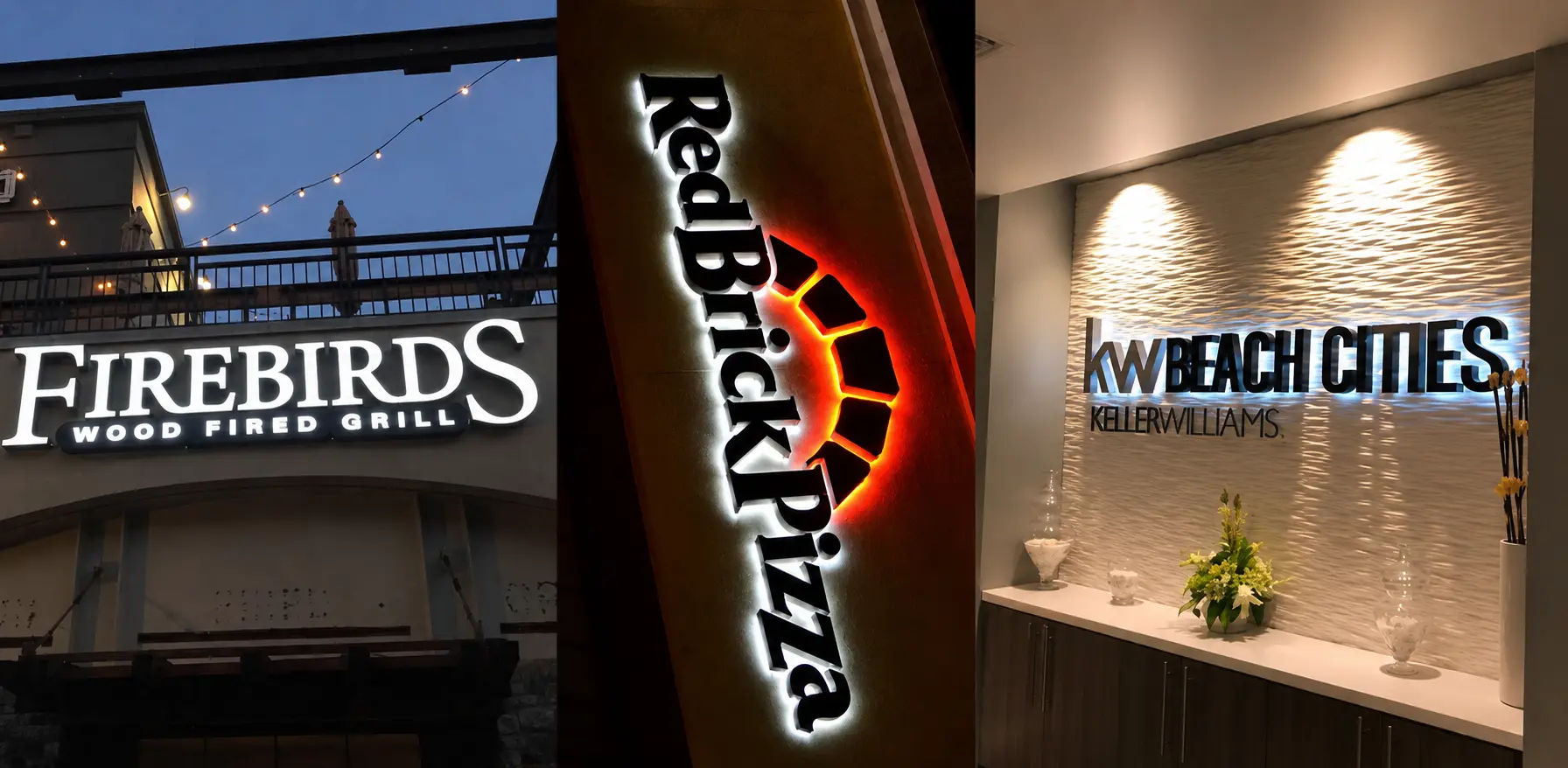
| 設定 | 推奨タイプ | 求める照明仕様 |
| 小売店のフロント | フロントライト | 6500K のクールな白モジュール、160° レンズ、IP65、12 V |
| レストランとバー | オープンフェイスまたはコンビネーション | フェイクネオンまたは暖かい 3000k; ブランドの色が変わる RGB |
| 企業のロビーとオフィス | リバース/ハロライト (屋内) | 暖かいまたは中立的な白、さらには裏面が輝き、場所によって IP20–IP65 |
| ショッピング モールと複数の場所のブランド | フロントライト、標準化 | サイト間でカラー マッチを実現する 3 段階の SDCM ビニング、大規模な実行で 24 V のビニング |
場所によって LED 仕様を標準化することで、全国的なブランドの白を店舗ごとに同一に見せることができます。これは、タイトなカラー ビニングがその地位を獲得するまさにその場所です。
結論
照明付きチャンネル文字記号の選択は、明確な道をたどります。ブランドと予算に合った照明タイプを選択し、環境に対応する材料を選択し、建物と所有権の取り付け方法を選択します。最も重要なのは、LED 仕様を正しく取得することです。 最後のステップが、サインが何年にもわたって均一で明るく見えるか、数か月以内に斑点があり、薄暗く見えるかを決定するものです。正しい IP レーティング、しっかりとビンに貼られた高品質のチップ、適切な間隔でのワイドビーム モジュール、適切なサイズの防水ドライバーです。
2011 年以来、標識および LED 照明メーカーである SignLiteLED は、UL、ETL、CE、および RoHS の認定を受けており、最低 3 年間の保証を備えたすべての製品をサポートしています。 LED サイン モジュールと、それらの内部にある S タイプの LED ストリップと並んで、完全な製造を行います。 照らされた文字サイン OEM/ODM カスタマイズを使用した工場直送。
あなたのサインをスペックする準備はできましたか? 工場出荷時の見積もりのため、手紙のサイズ、照明の種類、数量を送ってください。

FAQ
関連記事