한국어
한국어  English
  简体中文
简体中文  Deutsch
  Español
  Français
  Italiano
  日本語
日本語  Polski
  Português
  Русский
  Türkçe
  Nederlands
  Tiếng Việt
  ไทย
ไทย 
조명이 있는 채널 문자 기호를 선택하려면 건물과 브랜드에 세 가지 결정을 일치시킵니다. 일루미네이션 스타일(대담한 전체 얼굴 밝기의 전면 조명, 고급 플로팅 글로우의 경우 후면/후광, 낮과 밤의 충격을 위한 조합, 레트로 노출된 모양의 조합), 장착 방법(레이스웨이, 플러시 또는 백커), 그리고 — 대부분의 구매자가 간과하는 부분(빔 각도, 모듈 간격, 색상 일관성, IP 등급), 그리고 가장 중요한 것은 최종적으로 결정된 파워입니다.
이 문서에서는 이러한 각 결정에 대해 자세히 설명합니다. 주요 조명 유형이 실제로 어떻게 보이는지, 어떤 재료가 마지막으로 어떤 재료가 마지막으로 어떤지, 세 가지 장착 방법이 어떻게 다른지, 견적 요청에 적용할 LED 사양, 그리고 허가 기본 사항 등을 설명합니다. 따라서 비즈니스 소유자, 간판 디자이너 또는 프로젝트 관리자이든 상관없이 수행되고 지속되는 표지판을 지정할 수 있습니다.
조명 채널 문자 기호는 무엇입니까?
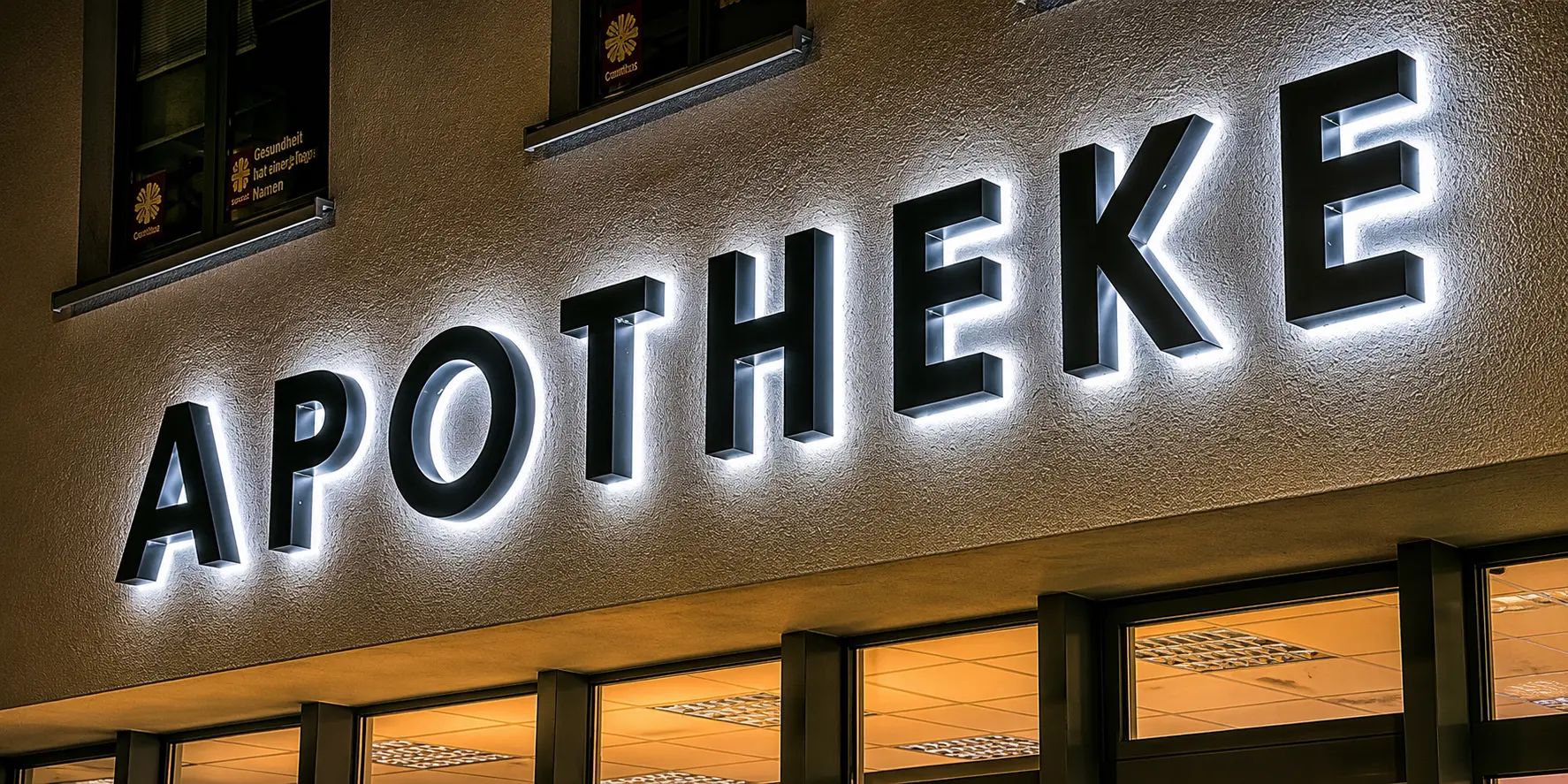
조명 채널 문자 내부에서 조명이 켜진 3차원, 개별적으로 제작된 문자, 숫자 또는 로고 모양입니다. 거의 항상 LED가 있습니다. 각 캐릭터는 고유한 작은 인클로저이므로 결과가 낮과 어두운 후에 모두 날카롭고 대비가 높은 이유입니다.
"조명 기호 문자"는 광범위한 범주이며 3D 채널 문자가 그 안의 주요 유형입니다. 두 용어는 종종 같은 의미로 사용되며 이 가이드는 그런 방식으로 사용합니다.
모든 채널 문자는 동일한 핵심 부분으로 구성되며, 이를 알면 이 가이드의 나머지 부분을 더 쉽게 따를 수 있습니다.
- return — 깊이를 주는 문자의 측벽입니다. 일반적으로 열악한 환경에서 알루미늄 또는 스테인리스 스틸.
- Face — 빛이 비추는 전면(앞면 조명 문자) 또는 단단하게 유지되는 전면(Halo 문자). 대부분 5mm(3/16″) 두께의 반투명 아크릴입니다.
- 뒤 - 후면 패널. 전면이 켜진 글씨에 솔리드 메탈, 후광 글자에 투명하거나 반투명한 글씨로 벽 쪽으로 빛이 빠져나갈 수 있습니다.
- Trim Cap — 면과 반품을 연결하고 완성된 테두리를 제공하는 모서리입니다. 일부 글자는 더 깔끔한 느낌을 위해 트림리스로 제작되었습니다.
- LED 소스 — 문자 내부의 조명(모듈 또는 스트립).
- 전원 공급 장치(드라이버) — 주전원 전압을 LED가 실행되는 저전압 DC로 변환합니다.
- 장착 하드웨어 — 건물에 간판을 고정하는 스터드, 스페이서, 레이스웨이 또는 지지자.
밝기에 영향을 미치기 때문에 초기에 플래그를 지정할 가치가 있는 한 가지 세부 사항은 반환 내부가 흰색으로 칠해져 있다는 것입니다. 흰색 인테리어는 맨손이나 어두운 것보다 얼굴을 통해 훨씬 더 많은 빛을 반사하므로 완성도가 높고 완성된 글자 모양이 개선됩니다.
주요 유형(조명 스타일별)
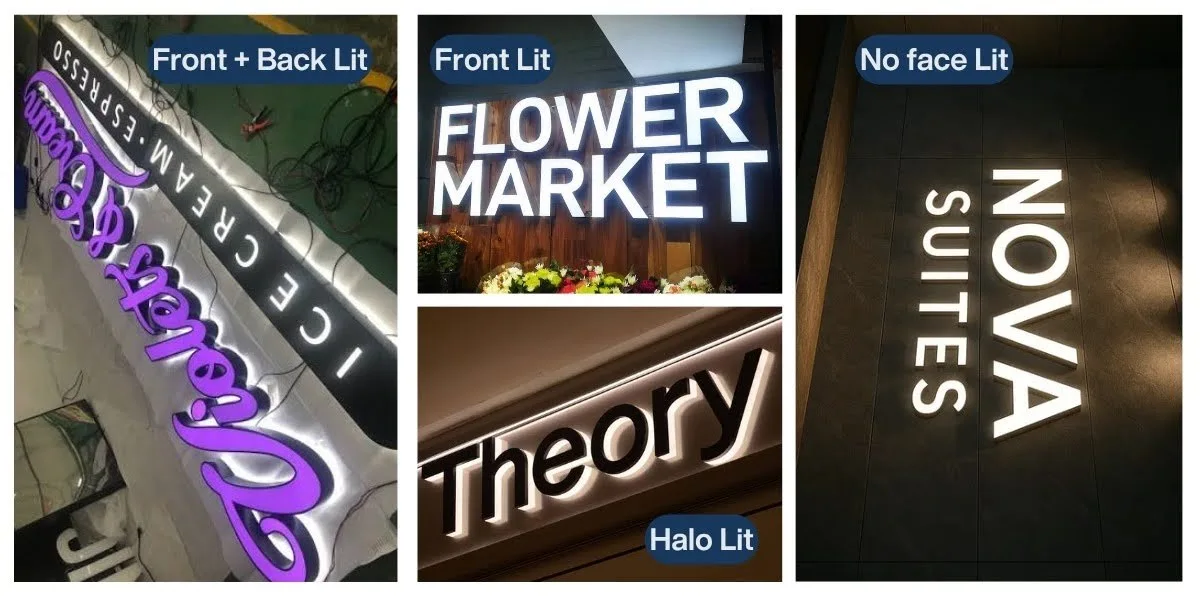
채널 문자는 빛이 문자를 이스케이프하는 위치에 따라 그룹화되며, 그 선택은 내부에 필요한 모양, 비용, 장착 및 LED 레이아웃을 변경합니다. 외모뿐만 아니라 트레이드 오프로 리드하는 것이 좋습니다.
- 전면 조명(페이스 라이트)이 표준이며 가장 저렴합니다. 흰색 또는 유색 LED 모듈은 문자 내부의 격자에 앉아 반투명 아크릴 면을 통해 빛을 밀어냅니다. 매장을 위한 최고의 모든 라운드 가시성.
- 리버스/헤일로라이트는 단단한 금속면을 유지하고 열린 뒤쪽 벽에 있는 열린 빛을 벽으로 밀어내어 글자가 떠 있는 것처럼 보이는 부드러운 빛을 만듭니다. 우아하고 고급스럽습니다. 하지만 주변 효과이므로 전면 조명보다 덜 "밝은" 것으로 읽히며 그 뒤에 있는 매끄럽고 밝은 색상의 벽에 따라 달라집니다. 어둡거나 질감이 무거운 벽은 빛을 흡수하거나 산란시키고 후광을 약화시키므로 해당 표면에서 전면 조명이 더 안전한 선택입니다.
- 콤비네이션(앞면 + 뒷면)은 두 가지 색상으로 동시에 두 가지를 모두 수행합니다. 가장 밝고 가장 눈길을 끄는 옵션이며 가장 비쌉니다.
- Open-Face는 투명한 얼굴(또는 면이 없음)을 사용하므로 램프 자체가 볼 수 있어 복고풍의 노출된 모양을 위해. 인상적이고 장식적이며 일반적으로 인조 네온 LED와 짝을 이룹니다.
두 가지 구성 변형: 반투명한 가장자리를 통해 빛이 빠져나가는 측면 조명 문자와 장식적인 가장자리 광채를 위해 트리밍이 없는 글자(앞면 조명이 있는 전면 조명)는 더 깨끗하고 고급스러운 면을 위해 트림 캡 가장자리가 보이지 않습니다.
많은 첫 구매자를 사로잡는 실용적인 색상 노트: 흰색은 밤에 가장 잘 읽히고, 단색 파란색은 어두운 하늘의 색에 가깝기 때문에 가장 약합니다. 브랜드 색상이 어두워야 하는 경우 제작자는 낮에 브랜드 색상을 표시하고 어두워지면 흰색으로 빛나는 주야간 필름을 사용하는 경우가 많습니다.
조명 유형 비교
| 유형 | 조명이 어떻게 켜져 | 내부 LED 소스 | 상대적 밝기 | 비용 - 그리고 그 이유 | 최상의 대상 |
| 전면 조명(페이스 라이트) | 반투명 얼굴을 통해 빛 | 얼굴 뒤의 그리드에 있는 LED 모듈 | 높음(대담하고 전체 얼굴) | 조명 유형 중 가장 낮은 것 — LED 레이어 1개 | 상점, 소매 — 가장 일반적인 |
| 리버스 / 헤일로 조명 | 단단한 얼굴; 빛이 벽으로 흘러내리다 | 벽을 겨냥한 후면의 모듈 또는 스트립 | 중간(부드러운 주변 후광) | 전면 조명보다 높음 — 견고한 금속 면 + 스탠드오프 장착 | 프리미엄 사무실, 로비, 벽면 |
| 조합(앞+뒤) | 페이스 글로우 플러스 후광 투시 | 두 개의 LED 레이아웃, 종종 두 가지 색상 | 매우 높은 | 최고 — LED 레이어 2개, 종종 두 가지 색상 | 플래그십, 영향력이 큰 브랜드 간판 |
| 채찍을 쓰다 | 투명/실수 얼굴 뒤에 노출된 램프 | 인조-네온 LED 또는 노출된 모듈 | 높은, 장식 | 보통 — 단일 노출 램프 층 | 바, 복고풍 테마, 악센트 간판 |
비용에 대한 메모. 완성된 채널 문자 기호의 가격은 시장, 크기, 마감, 조명 유형 및 설치에 따라 크게 다르므로 단일 수치는 대략적인 지표일 뿐입니다. 당신이 믿을 수 있는 것은 비용 동인입니다: Front-Lit은 가장 경제적인 조명 스타일과 조합 중 가장 비싼 제품이며 모든 유형 내에서 문자 크기와 깊이, 총 LED 수, 칩 등급, IP 등급 및 주문 수량에 따른 비용 척도입니다. SignLited와 같은 공장에서 직접 LED 구성 요소를 소싱하면 가격 책정은 정확한 수치를 위해 문자 크기, 조명 유형 및 수량을 보내십시오.
재료 및 빌드 품질(지속적인 것)
대부분의 중요한 결정은 간단한 질문으로 귀결됩니다. 표지판은 어디에 살고 있습니까?
- 반품: 알루미늄(일반적으로 약 0.040–0.063″)이 기본값입니다. 가볍고 녹이 슬지 않으며 성형하기 쉽습니다. 해안, 해양 또는 고오염 현장의 경우 스테인리스강(가장 가혹한 염류 위치의 경우 304등급 또는 316)이 부식에 훨씬 더 잘 견딥니다.
- 얼굴: 반투명 아크릴 약 5mm(3/16″)이 표준이며 빛을 잘 확산시킵니다. 내충격성이 중요한 폴리카보네이트로 전환하십시오. 큰 면, 지상 표지판 또는 파손자 경향이 있는 위치.
- 뒷면: 전면 조명 문자용 솔리드 알루미늄, 투명 아크릴 또는 폴리카보네이트를 위한 후광 문자용 폴리카보네이트를 사용하여 빛이 벽으로 통과할 수 있도록 합니다.
- 트림 캡 또는 트림리스: UV 안정적인 트림 캡은 내구성이 뛰어난 마감 처리된 가장자리를 제공하며, 트림리스 구조는 더 깨끗하고 현대적인 얼굴을 제공합니다.
구성품별 재료
| 성분 | 공통 옵션 | 전형적인 사양 | 언제 선택 |
| 리턴(측벽) | 알루미늄 / 스테인리스 | ~0.040–0.063″ 알루미늄, 304 또는 316 SS | 해안/부식용 SS, 대부분의 프로젝트에 대한 알루미늄 |
| 겉칠을 | 아크릴/폴리카보네이트 | ~5 mm(3/16″) 반투명 | 충격에 대한 폴리카보네이트, 대형 또는 파손자 면이 있는 면 |
| 등을 달다 | 고체 알루미늄 / 투명 아크릴 또는 PC | ――― | 후광(역점등) 문자에 필요한 클리어백 |
| 가장자리 | 트림 캡/트리리스 | UV 안정한 플라스틱 캡 | 깔끔한 모던한 느낌을 위한 트림리스 |
| LED 소스 | 모듈 / S 형 스트립 | 12–24 V DC, IP65–IP67 | 곡선, 스크립트 또는 얕은 문자용 스트립 |
장착 방법(Raceway vs. Flush vs. Backer)
장착 방법은 일반적으로 건물을 소유한 사람과 벽이 무엇으로 만들어졌는지에 따라 결정됩니다.
- 레이스웨이 마운트: 글씨는 배선과 드라이버를 고정하는 슬림한 금속 상자(도로)에 미리 장착되어 있으며, 전체 장치가 벽에 한 조각으로 부착됩니다. 가장 적은 수의 구멍이 필요하므로 집주인과 부동산 관리자가 종종 그것을 선호합니다. 경마장은 정면과 일치하도록 페인트되어 후퇴합니다.
- 플러시/직접 마운트: 각 문자는 건물 면에 직접 고정되며 외관 뒤에 배선이 라우팅됩니다. 가장 깨끗하고 가장 고급스러운 느낌을 주지만 더 많은 구멍과 내부 접근이 필요합니다. Halo Letters 이 방법을 사용하여 벽에 있는 글자를 고정하는 스탠드오프 스페이서와 함께 광채를 만듭니다.
- Backer / Wireway 마운트: 글자는 모든 배선을 숨기고 두 번째 색상 레이어를 추가할 수 있는 더 큰 패널 또는 캐비닛에 있습니다. 고르지 않거나 건축학적으로 복잡한 벽에 이상적이거나 통합 브랜드 패널을 원하는 경우에 이상적입니다.
까다로운 정면의 경우 하이브리드 마운팅(예: 작은 궤도의 글자 등 백커 패널에 고정)은 두 가지 방법의 이점을 결합합니다.
서비스 가능성도 무게를 싣는 가치가 있습니다. 레이스웨이 또는 백커 패널은 기술자에게 드라이버와 배선에 도달할 수 있는 단일의 접근 가능한 구획을 제공하는 반면, 플러시 장착 문자는 일반적으로 내부 액세스가 필요한 벽 뒤에서 수리됩니다.
장착 방법 비교
| 방법 | 벽 침투 | 배선을 숨깁니다 | 향하고 있다 | 최상의 대상 |
| 부자길 | 소수(1개의 레일) | 예(레일 내부) | 글자 뒤에 은은하게 칠해진 상자 | 임대 공간, 집주인 제한 |
| 플러시/직접 | 많은 (문자당) | 정면 뒤쪽 | 가장 깨끗한, 가장 프리미엄 | 소유 건물, Halo 문자(스탠드오프 포함) |
| 후원자 / 와이어웨이 | 적음에서 보통 | 예(패널 내부) | 통합 패널, 추가 색상 레이어 | 고르지 않은/복잡한 벽, 브랜드 패널 |
실제로 품질을 결정하는 조명 사양
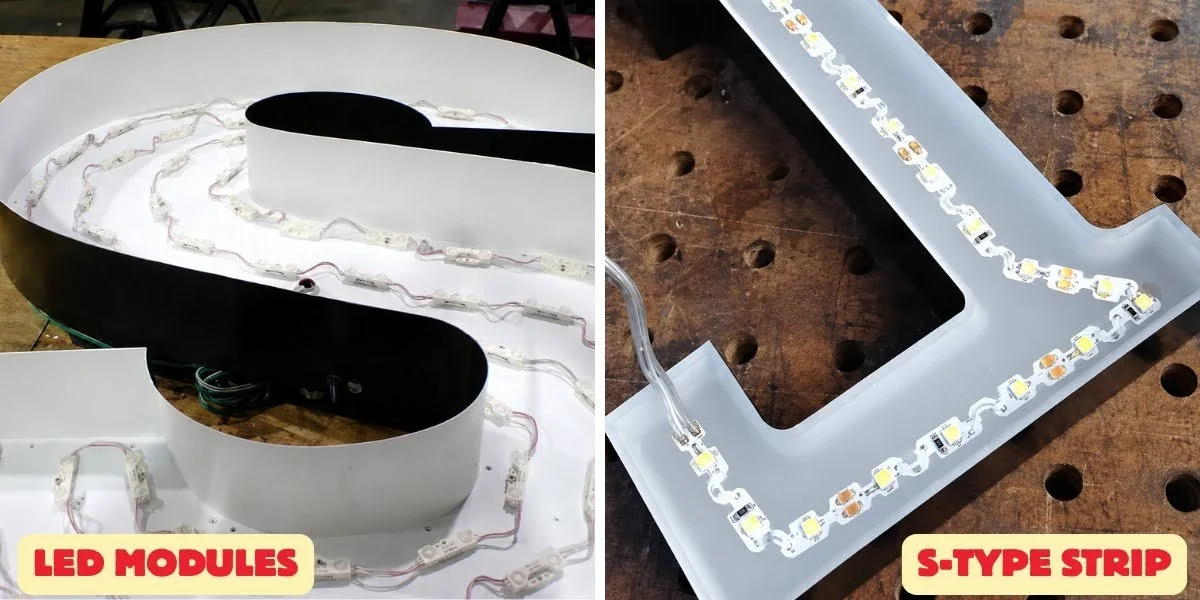
이것은 대부분의 구매자 가이드가 건너뛰는 부분이며 몇 년 안에 핫스팟, 어두운 밴드 또는 반점이 있는 색상을 보여주는 표시와 몇 년 동안 고르게 빛나는 간판을 구분하는 것입니다. 그 이면의 전체 엔지니어링은 Signliteed의 동반자 가이드에서 다룹니다. 조명 기호 글자 안에 사용되는 LED 조명, 구매자로서 결정해야 할 사항은 다음과 같습니다.
어떤 광원: 모듈 또는 스트립
내부 채널 문자 선택은 간단합니다. LED 사인 모듈(RGB용 SMD 2835 또는 SMD 5050)은 표준 블록 문자의 핵심이며 S-Type 플렉서블 스트립은 단단한 곡선, 스크립트, 로고 및 엄격한 모듈 그리드가 깨끗하게 맞지 않는 매우 얕은 글자를 대신합니다.
"좋은" 조명이 의미하는 것 - 그리고 무엇을 요구해야 하는지
5개의 상자를 가리키는 5개의 상자를 가리키는 편지가 균등하게 빛나고 수년 동안 지속됩니다. 오른쪽 모듈 간격에서 160° 빔 넓은 빔, 3단계 SDCM(Scondic Current Drive), 올바른 IP65 Outdoor, IP67 Coastal(IP65 Outdoor, IP67 Coastal) 칩, 그리고 80%까지 로드된 적절한 크기의 방수 드라이버가 80%로 로드되는 적절한 크기의 방수 드라이버가 80%로 로드되는 오른쪽 모듈 간격, 160° 빔, 3단계 마담 칩, 2개의 테이블이 80%로 로드됩니다.
선명한 색상 온도(6500K Cool White, 선명한 현대적 외관, 3000K 따뜻한 흰색, 부드럽고 고급스러운 느낌), 색상 변화 효과를 위해 RGB(SMD 5050)가 필요한지 여부를 선제적으로 표현해야 합니다.
LED 모듈 / 소스 선택 가이드
| 문자 깊이 및 획 | 추천 소스 / 광학 | 피트당 모듈(일반) | 음표 |
| 얕은 2–3″, 단일 ≤4″ 스트로크 | 로우 프로파일 와이드 빔 모듈 또는 S-TYPE 스트립 | ~4–6 / 피트 | 고르게 밝히기가 가장 어렵다; 얼굴을 분산시키다 |
| 표준 4–8″, ≤4″ 스트로크 | 와이드 빔 ~160° 모듈, 한 줄 | ~3 /피트 | 더 깊은 리턴으로 더 넓은 간격을 허용합니다. |
| 4–8″, >4″ 멀티 스트로크 | 와이드 빔 모듈, 여러 행 | ~3 / ft × 행 | ~4인치의 스트로크당 행 추가 |
| 곡선 / 스크립트 / 로고, 모든 깊이 | S형 6mm 유연한 스트립 | 연속 실행 | 꼬임없이 꽉 반경을 따라 |
| 후광 / 리버스 라이트 | 뒷면의 모듈 또는 스트립 | 레이아웃당 | 벽에 빛을 발하기도 하고, 대치로 인해 격차가 발생합니다. |
권장되는 서명된 구성 요소
특히 채널 문자의 경우 다음에 대해 묻는 서명된 구성 요소입니다.
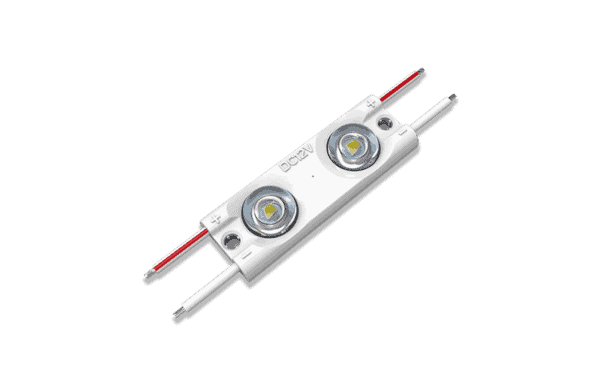
단색 2LED DC12V LED 모듈 조명
- 우수한 열 분산을 위한 노출된 PCB 설계
- 수명을 연장하기 위한 저조도 고장
- 더 밝은 출력과 더 높은 효율을 위한 9V 고전력 LED 칩
- 전압 강하를 위한 정전류 설계
- 체인당 더 많은 연결
- 균일한 조명을 위한 160° 렌즈
- 얇은 징후에 적합
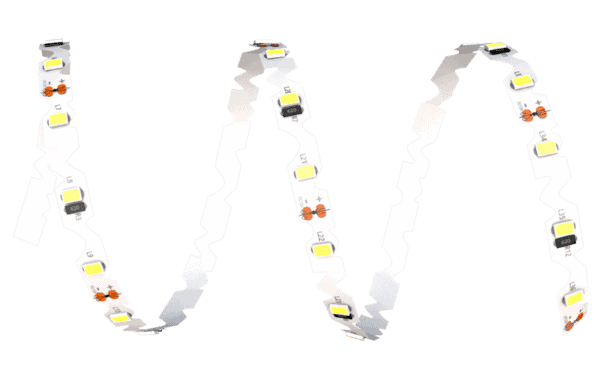
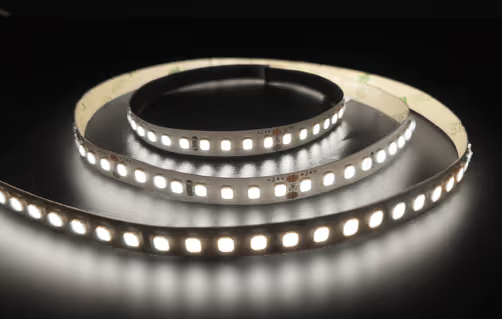
SMD2835 60LED 6mm S 자 모양의 백색 LED 스트립 빛
- LED 유형: SMD2835
- LED 밀도: 60 LED/m
- PCB 폭: 6mm
- 스트립 디자인: S 자형 유연한 PCB
- 색상: 화이트
- 발광 효율: 220 lm/w
- 입력 전압: 12V/24V DC
- CRI(색상 렌더링 색인): RA ≥ 80
- 빔 각도: 120°
모두 OEM/ODM 사용자 정의 및 최소 3년 보증이 포함된 공장 직접 직접 사용할 수 있습니다. Signliteed는 구성 요소만으로 완성된 완성된 기호를 위해 완성된 기호를 위해 사용자 정의 조명 문자 및 채널 문자 기호 귀하의 로고 및 사양에.
견적을 요청할 때 지정할 내용
이 체크리스트를 견적 요청에 바로 넣으십시오. 더 많이 채울수록 견적이 더 정확해지고 설치 시 놀라움이 줄어듭니다. 아래의 모든 매개변수는 표시가 어떻게 보이는지 또는 지속되는 기간에 영향을 미치는 실제 결정에 매핑됩니다.
스펙 시트 체크리스트
| 매개변수 | 요청할 예시 값 | 중요한 이유 |
| 조명 유형 | 전면 조명 흰색 모듈 | 모양과 모듈 수를 설정합니다. |
| LED 유형 | SMD 2835(백색) / SMD 5050(RGB) | 출력 및 색상 기능 |
| 색온도 | 6500k 쿨 / 3000k 따뜻한 3000k | 브랜드 매치 + 주간/밤 가독성 |
| 색상 일관성 | ≤3단계 마카담(SDCM) | 끈적끈적한 청색/따뜻한 흰색 얼굴을 방지합니다. |
| 빔 각도 | ~160° 와이드 렌즈 | 채우기, 핫스팟 감소, 모듈 수 |
| 드라이브 유형 | 정전류 | 끝에서 끝까지 동일한 밝기 |
| 전압 | 12 V DC (소형) / 24 V DC (대형) | 장거리 운용 효율 및 배선 |
| IP 등급 | IP65 옥외 / IP67 해안 | 비, 먼지, 습기에서 살아남는다 |
| 전원 공급 장치 | 방수, 정전압, 장전 ≤80% (예: Mean Well XLG IP67) | 운전자는 일반적인 고장 지점입니다. |
| 인증 | UL / ETL / CE / RoHS | 허가 및 수입 규정 준수 |
| 보증/루멘 수명 | 3~7년, ~50,000시간(170) | 현실적인 수명 주기 기대 |
| 작동 온도 | ~-20 °C ~ +50 °C | 설치 기후에 맞게 |
허가, 규정 및 규정 준수
대부분의 조명이 켜진 채널 문자 설치에는 사인 허가증(크기, 배치 및 구역 설정)과 전기 허가(배선용)의 두 가지 승인이 필요합니다. 몇 가지 실용적인 포인트:
- 제작 전에 현지 사인 코드를 확인하십시오. 많은 관할 구역에서 총 표지판 면적을 제한하고 높이, 차질, 심지어 조명 시간까지 제한합니다. 이를 깨는 완성된 표지판을 재건해야 할 수 있으므로 제작 전에 이러한 제한을 확인하십시오.
- 코드 인식된 구성 요소를 사용합니다. UL/ETL에 상장된 LED 모듈과 전원 공급 장치를 찾으십시오. 검사관과 AHJ(지사 관할권)가 이를 기대하고 전기 승인을 완화합니다.
- 크거나 옥상 표지판은 구조적 검토(바람과 하중)를 유발할 수 있으므로 벽이 표지판을 일찍 운반할 수 있는지 확인하십시오.
- 검사 및 향후 서비스를 위해 배선도와 구성 요소 목록을 파일에 보관하십시오.
규칙은 도시와 국가에 따라 다르기 때문에 이를 지역 코드를 대체하는 것이 아니라 설치자 또는 지방 당국과 함께 제기할 체크리스트로 취급하십시오.
애플리케이션 시나리오
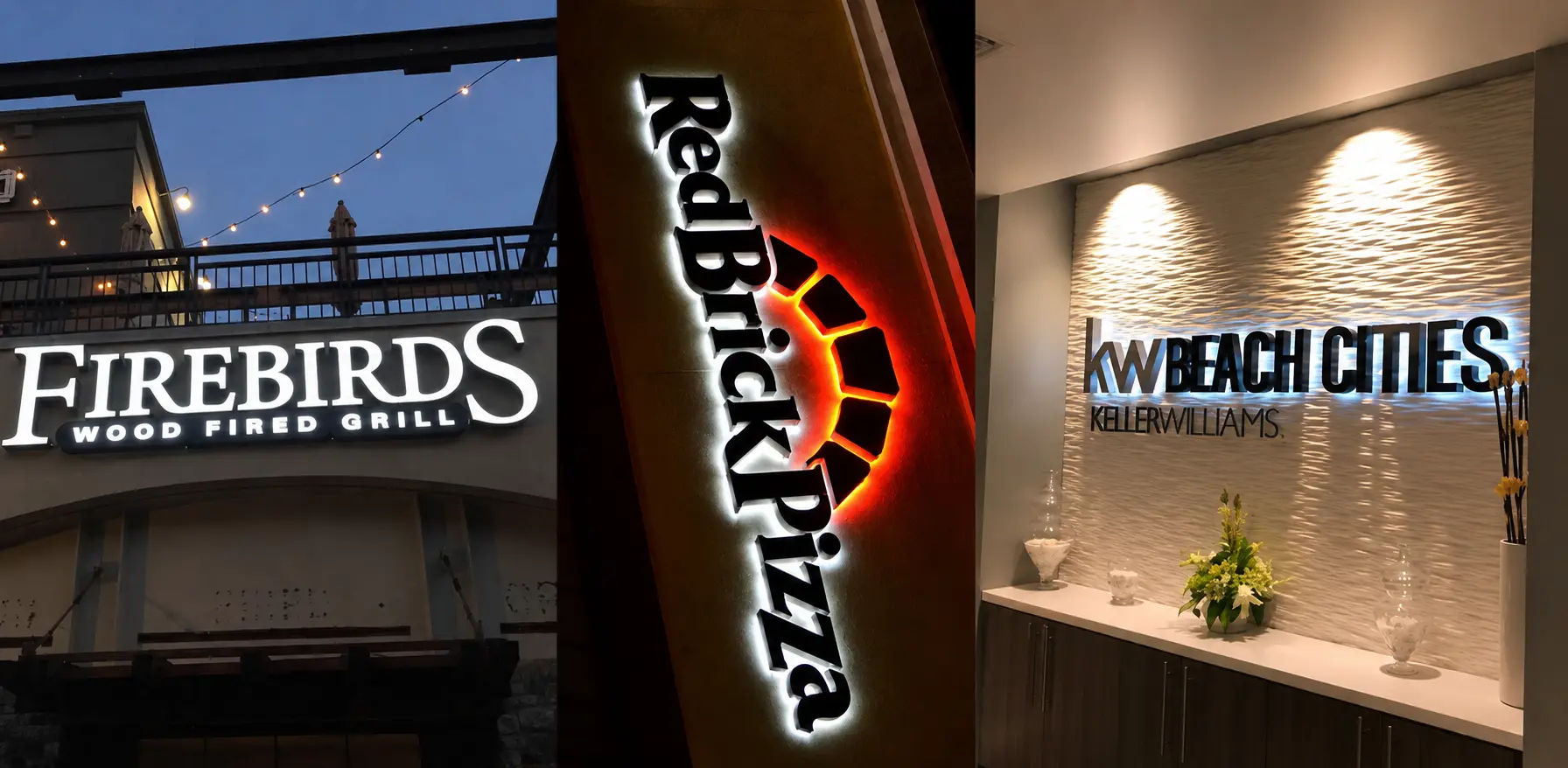
| 셋팅 | 권장 유형 | 요구하는 조명 사양 |
| 소매점 | 전면에 비치는 | 6500K 쿨 화이트 모듈, ~160° 렌즈, IP65, 12 V |
| 레스토랑 및 바 | 오픈 페이스 또는 조합 | 인조 네온 또는 따뜻한 3000K, 브랜드 색상이 변하는 RGB |
| 기업 로비 및 사무실 | 후진/후광(실내) | 웜 또는 뉴트럴 화이트, 백글로우 짝수, 위치별 IP20~IP65 |
| 쇼핑몰 및 다방면의 브랜드 | 전면 조명, 표준화 | 사이트 간 색상 일치를 위한 3단계 SDCM 비닝, 대규모 실행의 경우 24V |
위치 전반에 걸쳐 LED 사양을 표준화하는 것은 국가 브랜드의 흰색이 매장마다 동일하게 유지되는 것입니다. 이것이 바로 타이트한 색상 비닝이 그 자리를 차지하는 곳입니다.
결론
조명 채널 선택 문자 기호는 명확한 경로를 따릅니다. 브랜드와 예산에 맞는 조명 유형을 선택하고 환경에 적합한 재료를 선택하고 건물 및 소유권에 대한 장착 방법을 선택하고 가장 중요한 것은 LED 사양을 올바르게 설정하는 것입니다. 마지막 단계는 올바른 IP 등급, 촘촘하게 구비된 품질 칩, 올바른 간격의 와이드 빔 모듈, 적절한 크기의 방수 드라이버 등 표지판이 몇 년 동안 고르게 보이거나 몇 달 안에 고르지 않고 어두워 보이는지 여부를 결정하는 것입니다.
2011년부터 사이니지 및 LED 조명 제조업체인 Signliteed는 UL, ETL, CE 및 RoHS 인증을 받았으며 최소 3년 보증으로 모든 제품을 지원합니다. 내부에 들어가는 LED 사인 모듈 및 S-Type LED 스트립과 함께 완전한 제조 조명 문자 기호 OEM/ODM 사용자 정의가 있는 공장 직접.
기호를 지정할 준비가 되셨습니까? 공장 직접 견적을 위해 문자 크기, 조명 유형 및 수량을 보내십시오.

FAQ
관련 게시물