Português
  English
  简体中文
简体中文  Deutsch
  Español
  Français
  Italiano
  日本語
日本語  한국어
한국어  Polski
  Русский
  Türkçe
  Nederlands
  Tiếng Việt
  ไทย
ไทย 
Para escolher um sinal de letra de canal iluminado, você combina três decisões com o seu prédio e sua marca: o estilo de iluminação (aceso para a frente para um brilho retrô, o método de montagem (correio, descarga ou fundo); e – a parte que a maioria compra o ignora – a especificação do LED dentro das cartas (angulo de lombar, spinning, consistência, lotação, cor de lotação, decoração, desentupimento, cor de locomoção, cor de locomotiva, descarga ou patrocinadora);
Este artigo explica em detalhes cada uma dessas decisões: como são e o custo dos principais tipos de iluminação, quais materiais duram, como os três métodos de montagem diferem, exatamente quais especificações de LEDs devem ser feitas em sua solicitação de orçamento e o básico da permissão — portanto, se você é proprietário de uma empresa, um designer de letreiros ou um gerente de projeto, você pode especificar um sinal que funciona e dura.
O que são sinais de letras de canal iluminados?
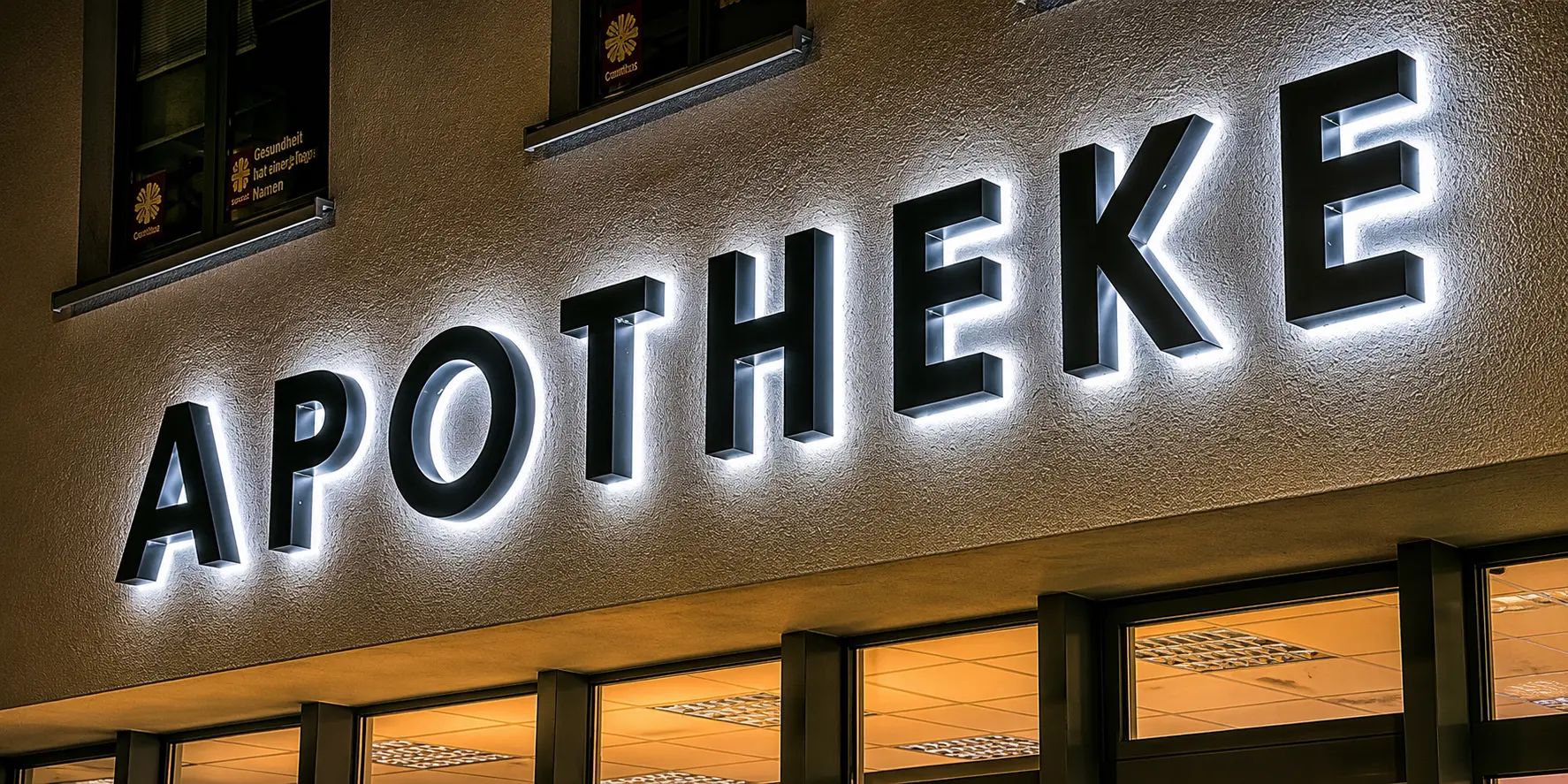
letras de canal iluminadas São letras, números ou formas de logotipo tridimensionais, fabricadas individualmente, iluminadas por dentro - quase sempre com LEDs. Cada personagem é seu próprio recinto, e é por isso que o resultado parece nítido e de alto contraste tanto à luz do dia quanto após o anoitecer.
“Cartas de sinal iluminada” é uma categoria ampla e as letras do canal 3D são o tipo principal dentro dela – os dois termos são frequentemente usados de forma intercambiável, e este guia os usa dessa maneira.
Cada letra do canal é construída a partir das mesmas partes principais e conhecê-las torna o restante deste guia mais fácil de seguir:
- Retorno — a parede lateral da letra que lhe dá profundidade. Geralmente alumínio ou aço inoxidável para ambientes agressivos.
- Face — A superfície frontal pela qual a luz brilha (letras com iluminação frontal) ou que permanece sólida (letras de halo). Na maioria das vezes, um acrílico translúcido com cerca de 5 mm (3/16″) de espessura.
- Costas — o painel traseiro. Metal sólido em letras com iluminação frontal; clara ou translúcida em letras de halo para que a luz escape em direção à parede.
- Trim Cap — a borda que une a face aos retornos e dá uma borda finalizada. Algumas letras são construídas sem acabamento para uma aparência mais limpa.
- Fonte LED — a iluminação dentro da letra (módulos ou tiras).
- Fonte de alimentação (driver) — Converte a tensão da rede em DC de baixa tensão em que os LEDs funcionam.
- Hardware de montagem — pinos, espaçadores, pistas ou patrocinadores que fixam o sinal no prédio.
Um detalhe que vale a pena sinalizar cedo porque afeta o brilho: o interior do retorno é pintado de branco. Um interior branco reflete muito mais luz de volta pelo rosto do que um nu nu ou escuro, por isso melhora diretamente a aparência e até mesmo a letra finalizada.
Os principais tipos (por estilo de iluminação)
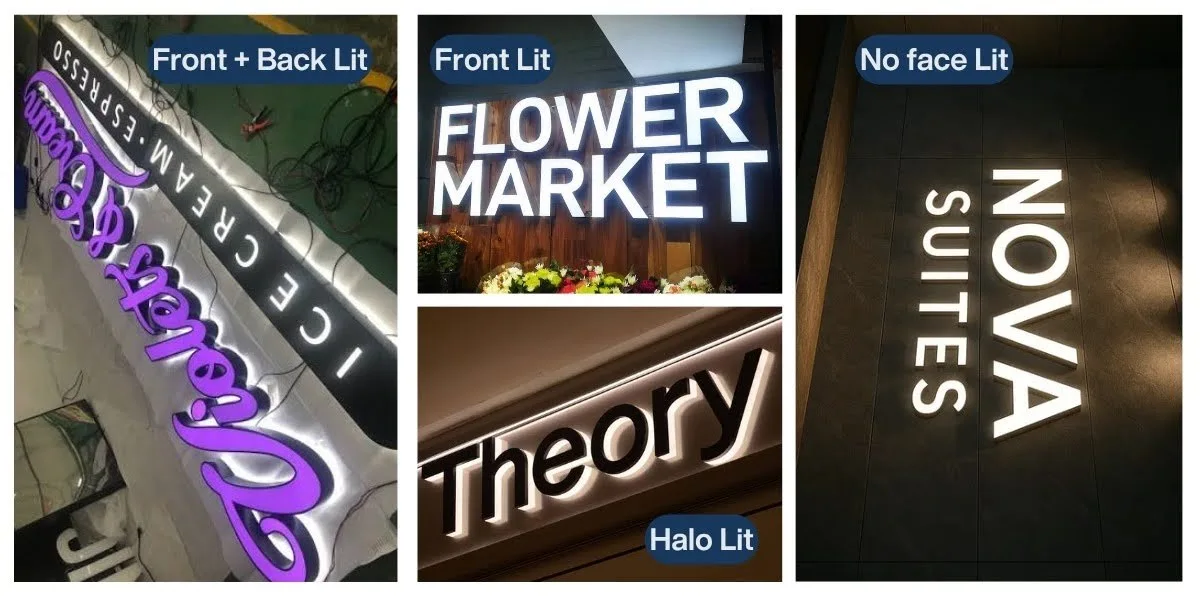
As letras dos canais são agrupadas por onde a luz escapa à letra, e essa escolha muda a aparência, o custo, a montagem e o layout do LED de que você precisa. Vale a pena liderar com as compensações, não apenas com o visual:
- A luz frontal (face iluminada) é o padrão e o mais acessível. Os módulos de LED brancos ou coloridos ficam em uma grade dentro da letra e empurram a luz através de uma face de acrílico translúcida. Melhor visibilidade geral para as vitrines.
- Reverse / Halo-Lit mantém uma face de metal sólida e empurra a luz para trás na parede atrás, criando um brilho suave que faz as letras parecerem flutuar. É elegante e premium - mas é um efeito ambiente, por isso parece menos "brilhante" do que uma face com iluminação frontal e depende de uma parede lisa e de cor clara atrás dele. Uma parede escura ou fortemente texturizada absorve ou espalha o brilho e enfraquece o halo, então, nessas superfícies iluminadas, a escolha mais segura.
- Combinação (frente + costas) faz ambas as coisas ao mesmo tempo, geralmente com duas cores diferentes. É a opção mais brilhante e atraente, e também a mais cara.
- A face aberta usa um rosto transparente (ou nenhuma face), para que as lâmpadas sejam visíveis, para uma aparência retrô e exposta. Impressionante e decorativo, comumente combinado com LED de neon falso.
Você também pode ver duas variantes de construção: letras com iluminação lateral, onde a luz escapa por meio de retornos translúcidos para um brilho decorativo e letras sem corte - iluminado na frente sem borda visível para uma face mais limpa e alta.
Uma nota de cor prática que captura muitos compradores de primeira viagem: o branco lê melhor à noite e o azul sólido é o mais fraco porque está próximo da cor de um céu escuro. Se a cor da marca deve ser escura, os fabricantes costumam usar um filme diurno/noite que mostra a cor da marca à luz do dia e brilha em branco após o anoitecer.
Tipos de iluminação comparados
| Tipo | Como ele acende | Fonte LED dentro | Brilho relativo | Custo - e por quê | Melhor para |
| Iluminado com a frente (face iluminada) | Luz através do rosto translúcido | Módulos de LED em uma grade atrás do rosto | Alto (ousado, rosto inteiro) | Mais baixo dos tipos iluminados — uma camada de LED | Vitrines, varejo - o mais comum |
| Reverso / Halo-Lit | Rosto sólido; a luz derrama a parte de trás na parede | Módulos ou tiras na parte de trás, voltadas para a parede | Médio (auréola do ambiente suave) | Mais alto que o iluminado frontal — face de metal sólido + montagem do afastamento | Escritórios premium, lobbies, paredes de recursos |
| Combinação (frente + costas) | Face Glow Plus Halo juntos | Dois layouts de LED, geralmente duas cores | muito alto | Mais alto — duas camadas de LED, geralmente duas cores | Sinalização da marca principal e de alto impacto |
| rosto | Lâmpadas expostas atrás de um rosto claro/ausente | LED falso ou módulos expostos | Alto, decorativo | Moderado — camada de lâmpada exposta única | Barras, temas retrô, sinalização de acento |
Uma nota sobre o custo. O preço de um sinal de letra de canal final varia amplamente de acordo com o mercado, tamanho, acabamento, tipo de iluminação e instalação, portanto, qualquer figura é apenas um indicador aproximado. O que você pode confiar são os direcionadores de custos: a iluminação frontal é a mais econômica dos estilos e combinações mais caras e, dentro de qualquer tipo, as escalas de custo com tamanho e profundidade da letra, contagem total de LEDs, grau de chip, classificação de IP e quantidade do pedido. Quando você obtém os componentes de LED diretamente de uma fábrica como a Signlited, o preço é baseado em cotações exatamente nesses fatores - envie o tamanho da letra, o tipo de iluminação e a quantidade para obter uma figura precisa.
Materiais e qualidade de construção (o que dura)
A maioria das decisões materiais se resume a uma pergunta simples: onde o sinal viverá?
- Retorna: alumínio (normalmente em torno de 0,040–0,063″) é o padrão – leve, resistente à ferrugem e fácil de formar. Para locais costeiros, marinhos ou de alta poluição, o aço inoxidável (grau 304 ou 316 para os locais mais agressivos) resiste muito melhor à corrosão.
- Face: Acrílico translúcido em torno de 5 mm (3/16″) é padrão e difunde bem a luz. Mude para o policarbonato onde a resistência ao impacto é importante – faces grandes, sinais do nível do solo ou locais propensos a vandalismo.
- Atrás: alumínio sólido para letras com iluminação frontal; acrílico transparente ou policarbonato para letras de halo para que a luz possa passar para a parede.
- Tampa de acabamento ou trimless: uma tampa de acabamento estável em UV oferece uma borda final durável; uma construção sem acabamento proporciona uma face mais limpa e moderna.
Materiais por componente
| componente | Opções comuns | especificações típicas | Escolha quando |
| Retorno (parede lateral) | alumínio / aço inoxidável | ~0,040–0,063″ de alumínio; 304 ou 316 SS | SS para Coastal / Corrosivo; Alumínio para a maioria dos projetos |
| cara | acrílico/policarbonato | ~5 mm (3/16″) translúcido | Policarbonato para rostos, grandes ou propensos a vandalismo |
| verso | Aluminio sólido / acrílico transparente ou PC | — | Limpar as costas necessárias para letras de halo (aceso reverso) |
| canto | Tampa de acabamento / sem guarnição | Tampa de plástico com UV | Sem aparar para um visual moderno e limpo |
| Fonte LED | Módulos / tira tipo S | 12–24 V DC, IP65–IP67 | Tiras para letras curvas, script ou rasas |
Métodos de montagem (Raceway vs. Flush vs. Backer)
O método de montagem geralmente é decidido por quem é o dono do prédio e de que é feita a parede.
- Montagem da pista: as letras são pré-montadas em uma caixa de metal fina (a pista) que mantém a fiação e o motorista; toda a unidade se prende à parede como uma peça. Requer o menor número de buracos, então os proprietários e gerentes de propriedade geralmente preferem. A pista é pintada para combinar com a fachada para que ela recue.
- Flush / Montagem direta: cada letra se fixa diretamente na face do edifício, com a fiação direcionada atrás da fachada. Ele oferece a aparência mais limpa e premium, mas precisa de mais furos e acesso interno. As letras de halo usam esse método com espaçadores de afastamento que seguram a letra da parede para criar o brilho.
- Montador de apoio/fio de arame: as letras ficam em um painel ou gabinete maior que esconde toda a fiação e pode adicionar uma segunda camada de cor. É ideal para paredes irregulares ou arquitetonicamente complexas, ou quando você deseja um painel de marca unificada.
Para fachadas complicadas, a montagem híbrida (por exemplo, letras em uma pequena pista que é fixada em um painel de apoio) combina os benefícios de dois métodos.
Vale a pena pesar também: uma pista ou um painel de apoio oferece a um técnico um compartimento acessível para alcançar os condutores e a fiação, enquanto as letras montadas em descascar geralmente são atendidas por trás da parede, que precisa de acesso interno.
Métodos de montagem comparados
| método | Penetrações de parede | esconde a fiação | olhar | Melhor para |
| pista de descolagem | Poucos (um trilho) | Sim (dentro do trilho) | Caixa pintada sutil atrás das letras | Espaços alugados, restrições ao proprietário |
| Lavar / direto | Muitos (por carta) | Atrás da fachada | Mais limpo e mais premium | Edifícios próprios; cartas de halo (com afastamentos) |
| Backer / Wireway | Poucos a moderados | Sim (dentro do painel) | Painel unificado, camada de cor extra | Paredes irregulares/complexas, painéis de marca |
A especificação de iluminação que realmente decide a qualidade
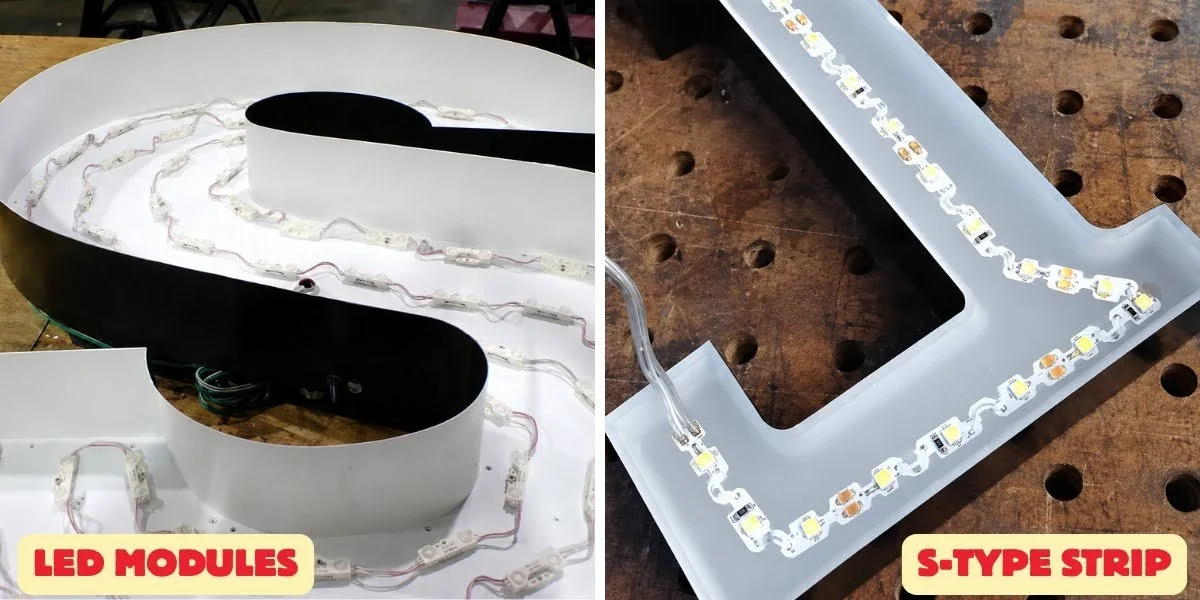
Esta é a parte que a maioria dos guias do comprador pula - e é aquela que separa um sinal que brilha uniformemente por anos daquele que mostra pontos quentes, bandas escuras ou cores irregulares em meses. A engenharia completa por trás disso é coberta pelo Guia Companion do Signliteld, O que a iluminação LED é usada dentro de letras de letreiros iluminadas; Aqui está o que você precisa decidir como comprador.
Qual fonte de luz: módulos ou tiras
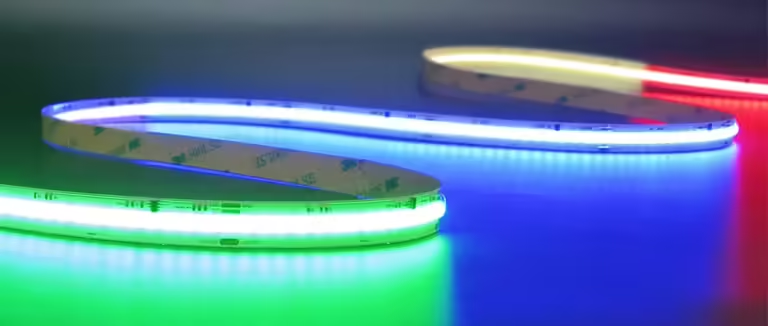
As letras do canal interno são diretas: módulos de sinal de LED (SMD 2835 ou SMD 5050 para RGB) são o cavalo-a-ponto para letras padrão, e as tiras flexíveis do tipo S assumem o controle para curvas apertadas, script, logotipos e letras muito rasas, onde uma grade rígida de módulos não se encaixará de forma limpa.
O que significa iluminação “boa” – e o que pedir
Uma carta brilha uniformemente e dura anos quando a iluminação interna marca cinco caixas: um amplo feixe de 160° no espaçamento correto do módulo, uma barra de 3 passos (sdcm) bem encaixotada, uma unidade de corrente constante, uma classificação de IP correta (IP65 externa, costeira IP67) e um driver de tamanho adequado para ≤80%. Para a decisão de compra, as duas mesas se transformam em um módulo de posições
A única chamada para fazer a frente é a temperatura da cor - 6500k de branco legal para um visual moderno ou nítido ou branco quente de 3000k para uma sensação mais suave e premium - além de se você precisa de RGB (SMD 5050) para efeitos de mudança de cor.
Guia de seleção de módulos de LED/fonte
| Profundidade e curso da letra | Fonte sugerida / óptica | Módulos por pé (típico) | notas |
| Raso 2–3″, único ≤4″ curso | Módulo de viga larga de baixo perfil ou tira tipo S | ~4–6/pés | mais difícil de iluminar uniformemente; difundir o rosto |
| Padrão de 4–8″, ≤4″ de curso | Módulo de feixe largo ~160°, uma linha | ~3 / ft | O retorno mais profundo permite espaçamento mais amplo |
| 4–8″, >4″ Multi-Stroke | Módulo de feixe de feixe com várias linhas | ~3 / ft × linhas | Adicione uma linha por ~4″ de traçado |
| Curvo/script/logo, qualquer profundidade | Tira flexível de 6 mm do tipo S | corrida contínua | segue raios apertados sem dobrar |
| Halo / com luz reversa | Módulos ou tiras na parte de trás | por layout | Até o brilho na parede; os impasses definem a lacuna |
Componentes recomendados para sinalização
Para letras de canal especificamente, esses são os componentes com sinais para perguntar:
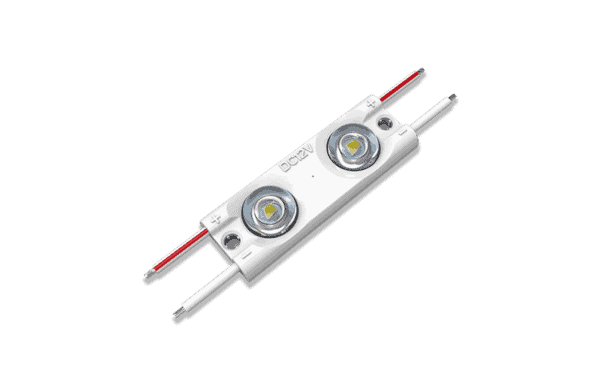
Módulo de luz LED de cor única 2LED DC12V
- Design de PCB exposta para uma boa dissipação de calor
- Falha de luz baixa para uma vida útil mais longa
- Chips LED de alta potência de 9V para uma saída mais brilhante e maior eficiência
- Projeto de corrente constante para menor queda de tensão
- Conecte mais por rede
- Lente de 160° para iluminação uniforme
- Adequado para sinais finos
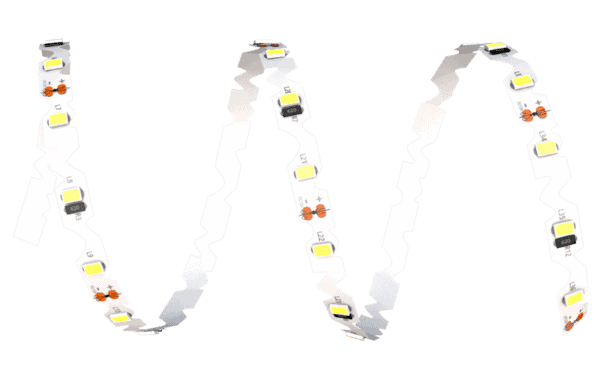
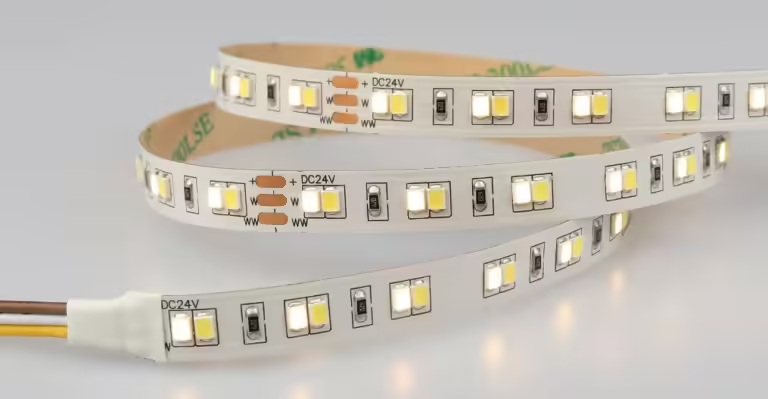
SMD2835 60LEDs 6mm em forma de S, luz LED branca em forma de LED
- Tipo de LED: SMD2835
- Densidade LED: 60 LEDs/m
- Largura da placa de circuito impresso: 6 mm
- Design de tiras: PCB flexível em forma de S
- cor: branco
- Eficiência luminosa: 220 lm/w
- Tensão de entrada: 12V / 24V DC
- CRI (Índice de renderização de cores): RA ≥ 80
- Ângulo de feixe: 120°
Todos estão disponíveis na fábrica, direto com personalização OEM/ODM e garantia mínima de 3 anos. Para o sinal de acabamento completo, em vez de apenas os componentes, a Signliteld também fabrica Letras iluminadas personalizadas e sinais de letras de canal para o seu logotipo e especificações.
O que especificar ao solicitar uma cotação
Deixe esta lista de verificação diretamente na sua solicitação de cotação. Quanto mais você preencher, mais precisa a cotação – e menos surpresas serão instalados. Cada parâmetro abaixo mapeia para uma decisão real que afeta a aparência do sinal ou quanto tempo dura.
Lista de verificação de folha de especificações
| Parâmetro | Exemplo de valor a ser solicitado | Por que é importante |
| tipo de iluminação | Módulos brancos com iluminação frontal | Define a aparência e a contagem do módulo |
| tipo led | SMD 2835 (branco) / SMD 5050 (RGB) | Capacidade de saída e cor |
| Temperatura da cor | 6500k legal / 3000k quente | Correspondência de marca + legibilidade dia/noite |
| consistência de cor | ≤ 3 passos macadam (SDCM) | Previne faces irregulares e quentes, brancas e quentes |
| Ângulo do feixe | Lente larga de 160° | Preencher mesmo, menos pontos quentes, menos módulos |
| Tipo de unidade | corrente constante | Brilho igual de ponta a ponta |
| Tensão | 12 V DC (pequeno) / 24 V DC (grandes) | Eficiência e fiação em corridas longas |
| Classificação IP | IP65 Outdoor / IP67 costeira | Sobrevive à chuva, poeira e umidade |
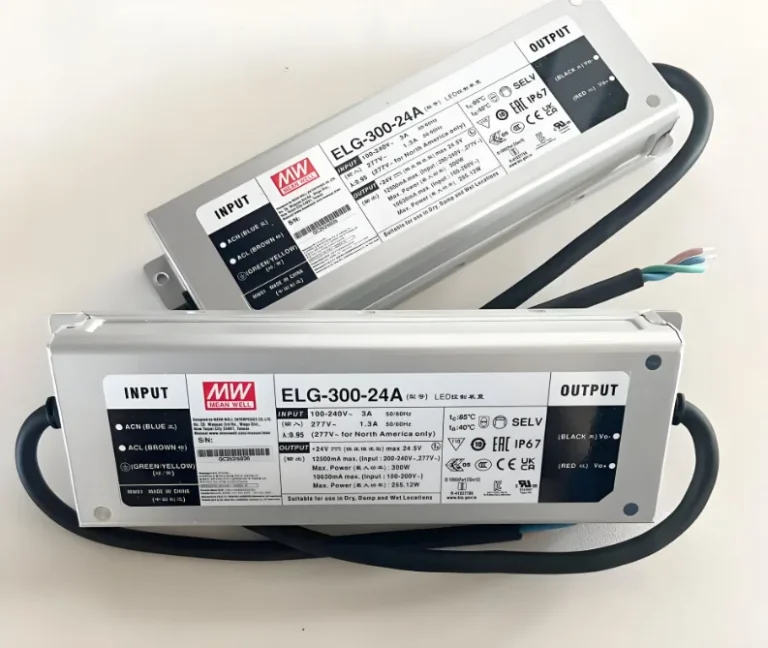
| Alimentação eléctrica | À prova d'água, de tensão constante, carregado ≤80% (por exemplo, poço médio XLG IP67) | O driver é o ponto de falha usual |
| Certificações | UL/ETL/CE/ROHS | Permitir e importar conformidade |
| Garantia / Vida do Lúmen | 3–7 anos; ~50.000 h (L70) | Expectativa de ciclo de vida realista |
| Temperatura de funcionamento | ~−20 °C a +50 °C | Combine o clima de instalação |
Permissões, códigos e conformidade
A maioria das instalações de letras de canal iluminadas precisam de duas aprovações: uma licença de sinal (para tamanho, posicionamento e zoneamento) e uma licença elétrica (para fiação). Alguns pontos práticos:
- Verifique os códigos locais antes da fabricação. Muitas jurisdições limitam a área total do sinal e restringem a altura, o revés e até as horas de iluminação — confirme esses limites antes da fabricação, pois um sinal finalizado que os quebra pode ter que ser reconstruído.
- Use componentes reconhecidos por código. Procure módulos e fontes de alimentação listados em UL/ETL; os inspetores e o AHJ (autoridade com jurisdição) vão esperar por eles e facilitarão a aprovação elétrica.
- Sinais grandes ou de telhado podem desencadear uma revisão estrutural (vento e carga), portanto, confirme que a parede pode carregar o sinal com antecedência.
- Mantenha o diagrama de fiação e a lista de componentes em arquivo para inspeção e serviço futuro.
Como as regras variam amplamente por cidade e país, trate isso como uma lista de verificação para aumentar com seu instalador ou autoridade local - não um substituto para o código local.
Cenários de aplicação
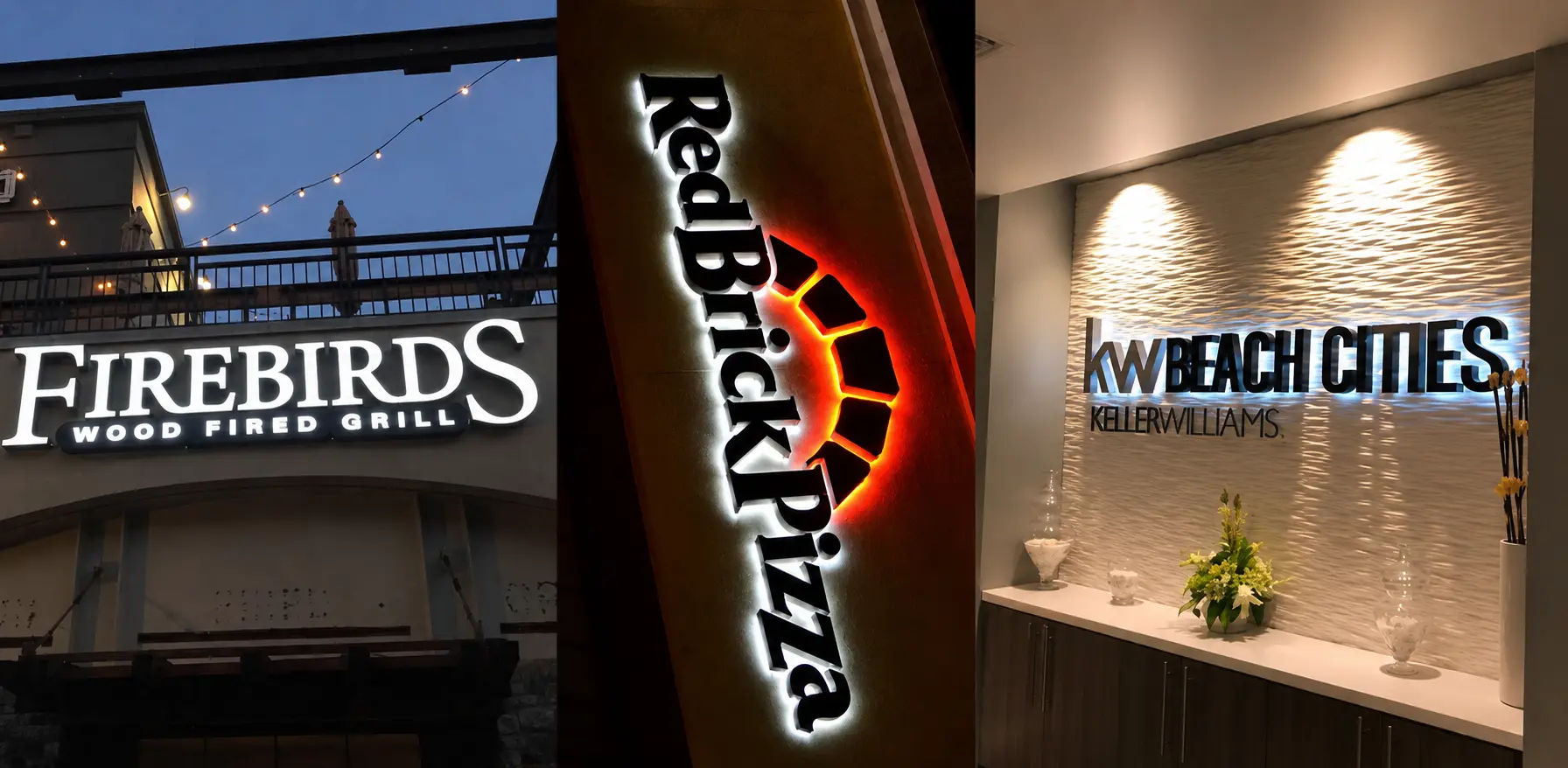
| fixação | Tipo recomendado | Especificações de iluminação para pedir |
| vitrines de varejo | iluminado | 6.500K módulos brancos, lentes ~160°, IP65, 12 V |
| Restaurantes e bares | rosto aberto ou combinação | Faux-neon ou Warm 3000K; RGB onde a cor da marca muda |
| Lobbies e escritórios corporativos | Reverso / Halo-Lit (interior) | Branco quente ou neutro, mesmo com brilho; IP20–IP65 por localização |
| Shoppings e marcas multilocais | Iluminado com a frente, padronizado | Binning SDCM apertado de 3 etapas para correspondência de cores em todos os sites; 24 V para grandes corridas |
Padronizar a especificação do LED entre os locais é o que mantém o branco de uma marca nacional idêntico de loja em loja - exatamente onde a Binning de cores apertadas ganha seu lugar.
Conclusão
A escolha de um sinal de letra de canal iluminado segue um caminho claro: escolha o tipo de iluminação que se adapte à marca e ao orçamento, escolha materiais para o ambiente, selecione o método de montagem para o edifício e a propriedade e – o mais importante – obter a especificação do LED. Esse último passo é o que decide se o sinal parece uniforme e brilhante por anos ou irregular e escurece em meses: a classificação correta do IP, chips de qualidade bem binned, um módulo de viga larga no espaçamento certo e um driver à prova d'água de tamanho adequado.
Um fabricante de sinalização e iluminação LED desde 2011, Signlited é certificado UL, ETL, CE e RoHS e apoia todos os produtos com uma garantia mínima de 3 anos. Juntamente com os módulos de sinal de LED e as tiras de LED tipo S que vão dentro deles, ele fabrica Sinais de letras iluminados Factory-Direct com personalização OEM/ODM.
Pronto para especificar o seu sinal? Envie seus tamanhos de letras, tipo de iluminação e quantidade para uma cotação direta da fábrica.

FAQs
Postagens relacionadas