Italiano
  English
  简体中文
简体中文  Deutsch
  Español
  Français
  日本語
日本語  한국어
한국어  Polski
  Português
  Русский
  Türkçe
  Nederlands
  Tiếng Việt
  ไทย
ไทย 
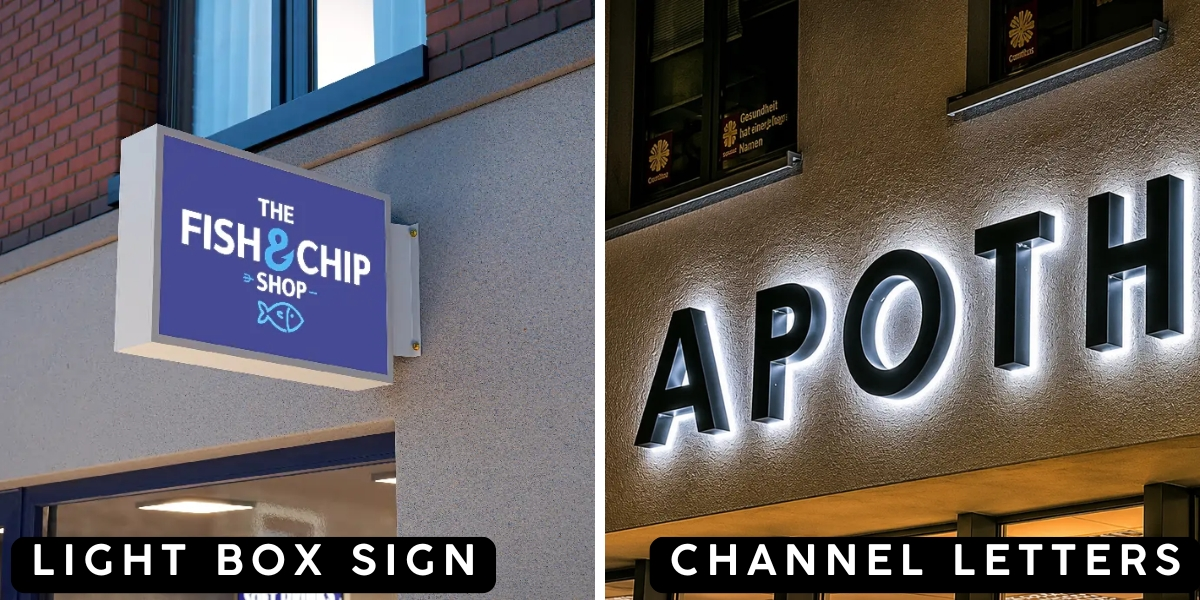
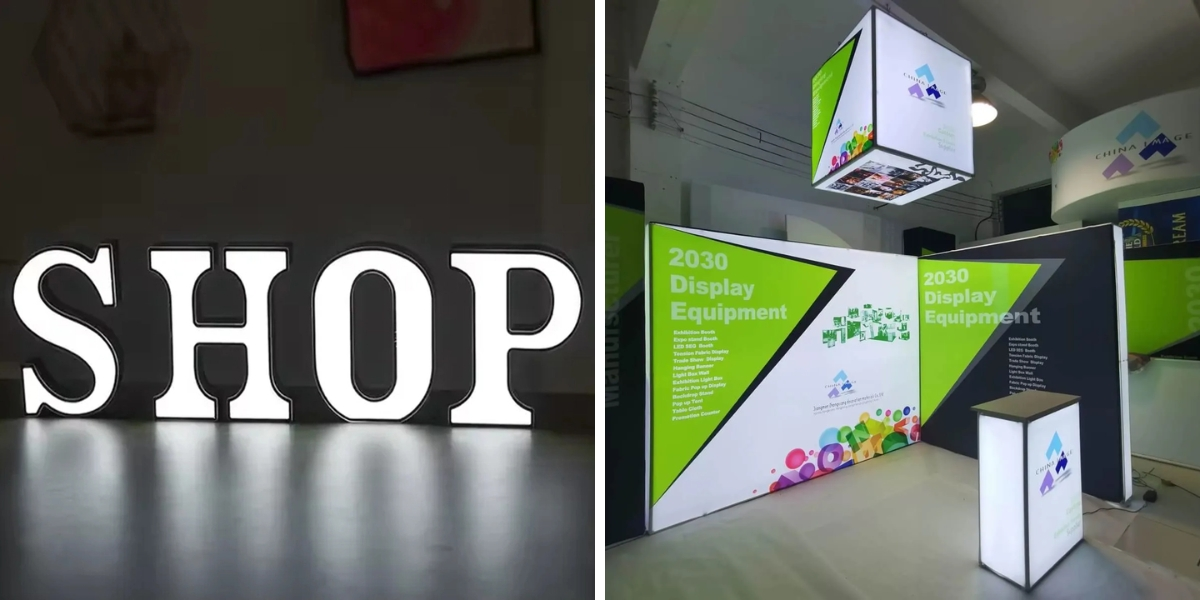
Le lettere di canale sono lettere illuminate tridimensionali individuali, ognuna fabbricata e accesa da sola, mentre un segno di lightbox (o mobile) è un'unica scatola chiusa con una faccia stampata traslucida che si illumina nel suo insieme - e quella decisione strutturale, molte piccole forme accese rispetto a un unico grande pannello illuminato, guida quasi ogni differenza che segue. SignLiteled produce entrambi Lettere di canale e insegne per armadietti Lightbox, insieme alle sorgenti LED interne che le accendono, direttamente in fabbrica.
Gli acquirenti di solito decidono tra i due su tre assi: visibilità (come legge il segno giorno e notte), costo (in anticipo e durante la sua durata) e marchio (l'aspetto che desideri sulla facciata). La versione breve: le lettere di canale danno una profondità tridimensionale e una nitida chiarezza notturna delle lettere; una lightbox offre un costo inferiore, la grafica più complessa e la più grande area illuminata uniforme.
Takeaway chiave
- Struttura: Le lettere di canale sono lettere 3D separate con i propri LED; una lightbox è un armadio sigillato con una faccia stampata retroilluminata, realizzata su un lato singolo o su due lati.
- Base dei costi: Le lettere di canale sono quotate per lettera; le lightbox sono quotate per armadio (per piede quadrato) e di solito costano meno per la stessa impronta.
- Modello di riparazione: Le lettere di canale sono modulari - servire una lettera; anche una lightbox è riparabile - i suoi moduli o barre a LED possono essere sostituiti e una faccia stampata danneggiata viene rivisitata come un unico pannello.
- dove ciascuno si adatta: Le lettere di canale danno lettere tridimensionali, illuminate individualmente; le lightbox portano foto, sfumature, testo lungo e pannelli laterali o stradali.
- Opzione ibrida: Molte catene eseguono il loro nome in lettere di canale più un logo in una scatola di logo/logo: non devi sempre sceglierne una.
- Un fornitore per entrambi: SignLiteled (UL, ETL, CE, ROHS Certified) produce i moduli LED e l'illuminazione dei segnali a LED per entrambi i tipi e anche i segni finiti.
Cosa sono le lettere di canale?
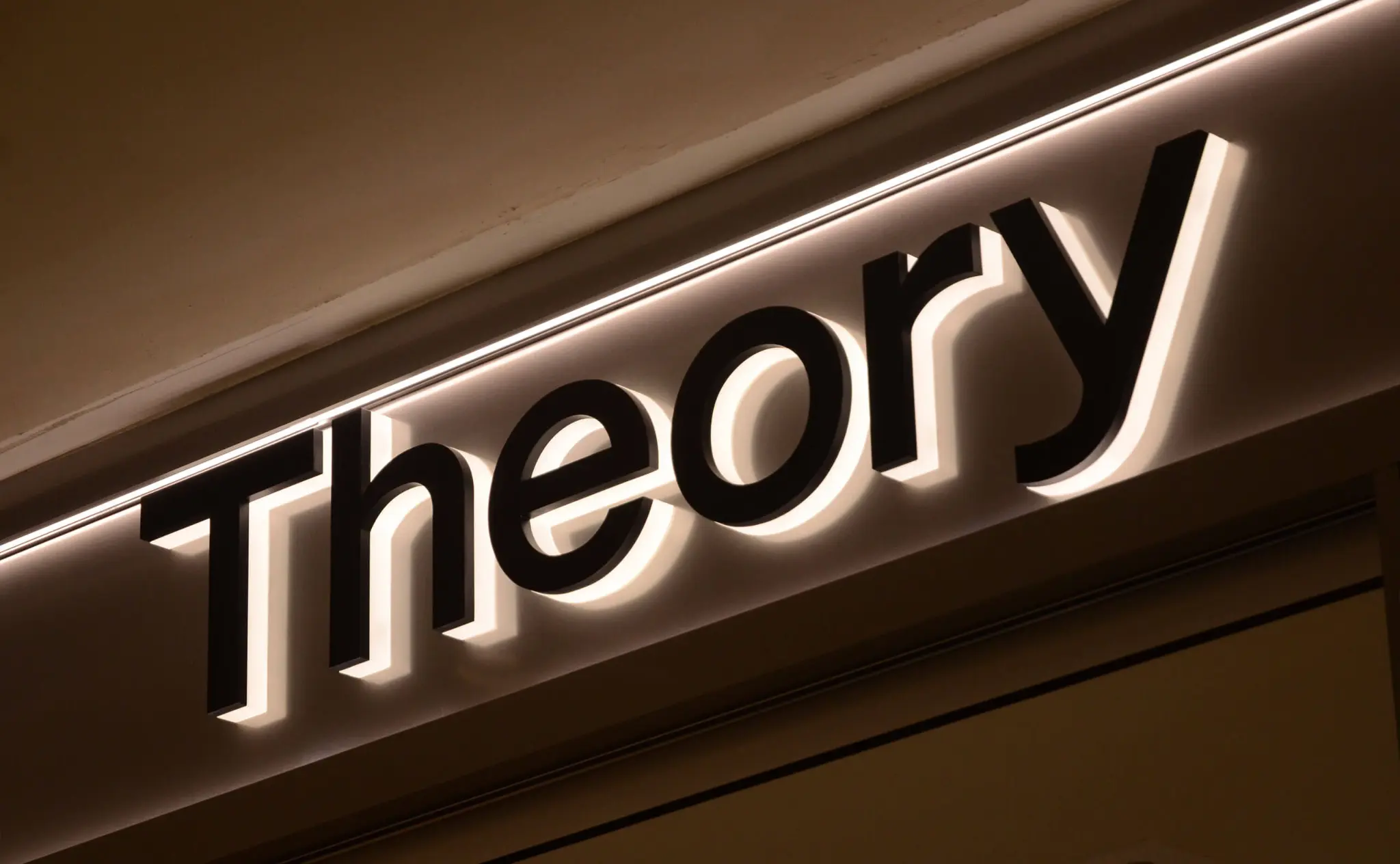
Le lettere di canale sono lettere e forme tridimensionali fabbricate individualmente, ciascuna formata come la propria "scattola" di metallo poco profondo e illuminata dall'interno da LED. Ogni lettera ha una faccia acrilica, un ritorno (la parete laterale della lattina, tipicamente alluminio) e una schiena; i LED si trovano all'interno, distanziati in modo che la luce si diffonda uniformemente sul viso. Le altezze delle lettere vanno comunemente da 100 mm a 2000 mm, con profondità di lettere di 30–150 mm a seconda di quanto spazio deve fiorire l'illuminazione. Per l'anatomia completa, vedere la guida del pilastro su Cosa sono le lettere di canale illuminate.
Il modo in cui sono illuminati fa parte della definizione. Le lettere accese frontalmente si illuminano attraverso il viso; Le lettere a lume di aureola (reverse) montano i LED sul retro in modo che la luce lavi il muro dietro la lettera e produce un contorno mobile; le lettere combinate fanno entrambe le cose contemporaneamente. Le lettere si montano in tre vie: a filo della facciata, su una pista (una scatola orizzontale che trasporta il cablaggio e riduce i fori di parete) o su un pannello di supporto.
Consigliato per: Aziende che desiderano una vetrina tridimensionale con leggibilità nitida e lettera per lettera di notte: vendita al dettaglio, ospitalità, corporate e inquilini nei centri commerciali che richiedono questo tipo di segno.
Cosa sono i segni di lightbox (armadio)?
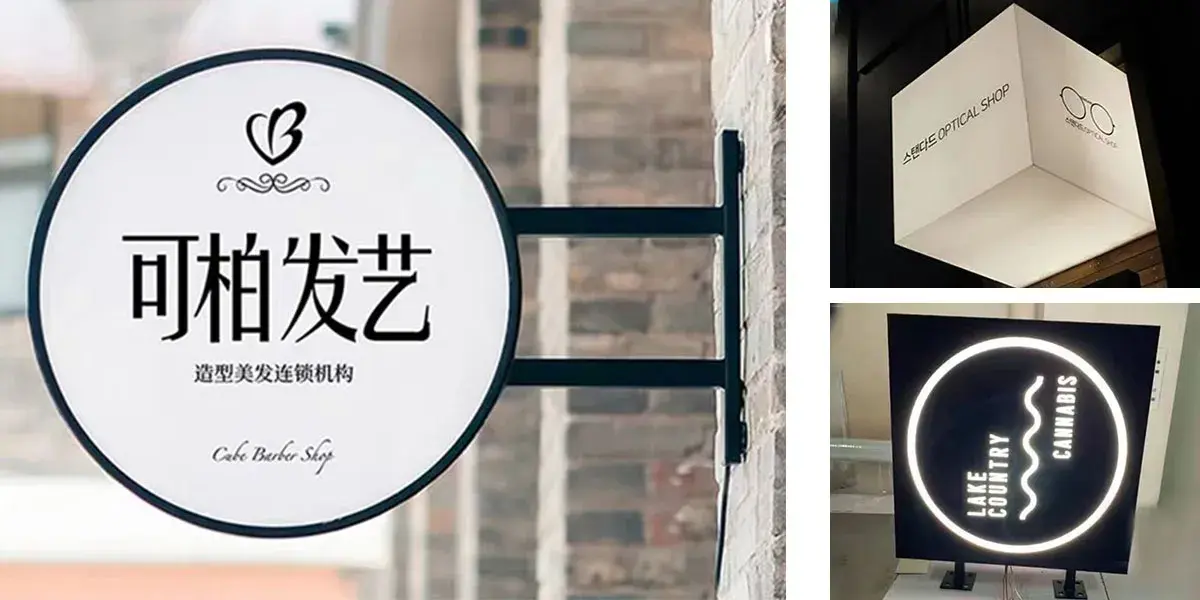
Un'insegna lightbox è un singolo mobile in alluminio con una faccia in acrilico o policarbonato traslucido stampata digitalmente o avvolta in vinile applicato, illuminato uniformemente dall'interno da LED in modo che l'intero viso si accenda. Poiché la grafica vive su un pannello continuo, una lightbox può trasportare tutto ciò che può essere stampato - un logo completo, una fotografia, una sfumatura, una slogan, più righe di testo - e mostrarlo come un blocco luminoso. Gli armadi sono monofacciali per il montaggio a parete o a fascia e su due lati per strutture in traliccio e monumento lette da due direzioni.
Il compromesso integrato in quell'architettura del mobile singolo è uniformità: l'intero viso deve illuminarsi in modo uniforme senza macchie luminose o scure, che è un problema ingegneristico di posizionamento dei LED piuttosto che di fabbricazione di lettere.
Consigliato per: Le aziende che necessitano di una grafica dettagliata o fotografica, un'ampia area illuminata, un'insegna a doppia faccia lungo la strada o il percorso più veloce e più basso per una vetrina illuminata.
Vantaggi e svantaggi delle lettere di canale e dei segni di lightbox
Ogni tipo di segno si guadagna il suo posto per motivi specifici; la griglia criterio per criterio arriva nella sezione successiva.
Lettere di canale: vantaggi
- Profondità tridimensionale: ogni lettera si distingue dalla facciata.
- Esatto fiammifero-colore: il bersaglio Pantone è integrato nella faccia acrilica, non approssimato.
- Forte chiarezza delle lettere notturne: ogni personaggio è la sua stessa fonte di luce.
- Riparazione modulare: un guasto è isolato a una lettera, non all'intero segno.
- Lunga durata di servizio da LED sigillati e ritorni in metallo.
- Spesso il tipo di segno proprietari e centri commerciali specificati nei criteri del tenant.
Lettere di canale: svantaggi
- Costo anticipato più elevato, perché ogni lettera è fabbricata e cablata singolarmente.
- Installazione più lenta e complessa: ogni lettera viene montata separatamente, aggiungendo penetrazioni a parete.
- limitato per dettagli fini, fotografie o lunghi blocchi di testo.
- tempi di consegna più lunghi di un singolo armadio.
Segni di lightbox: vantaggi
- Costo inferiore: un armadio indica il costo più basso per piede quadrato di area illuminata.
- Faccia grafica completa: foto, sfumature, loghi complessi e tagline tutti stampati direttamente.
- Ampia area illuminata in modo uniforme in un unico pannello.
- Installazione rapida come un'unità autonoma.
- Disponibile bifacciale per posizionamenti su palo e monumento.
Segni di lightbox — Svantaggi
- faccia piatta, bidimensionale piuttosto che innalzata lettere individuali.
- Faccia a pannello singolo: i moduli LED o le barre all'interno possono essere sostituiti in caso di guasto, ma una faccia stampata incrinata o ingiallita viene rifatta come un pannello anziché in sezioni.
- Uso più elevato di energia, poiché l'intero viso è acceso piuttosto che solo i tratti di lettera.
- Le facce acriliche possono ingiallire nel corso degli anni di esposizione ai raggi UV se si utilizza una faccia di grado inferiore.
Lettere di canale vs segni di lightbox: differenza di chiave
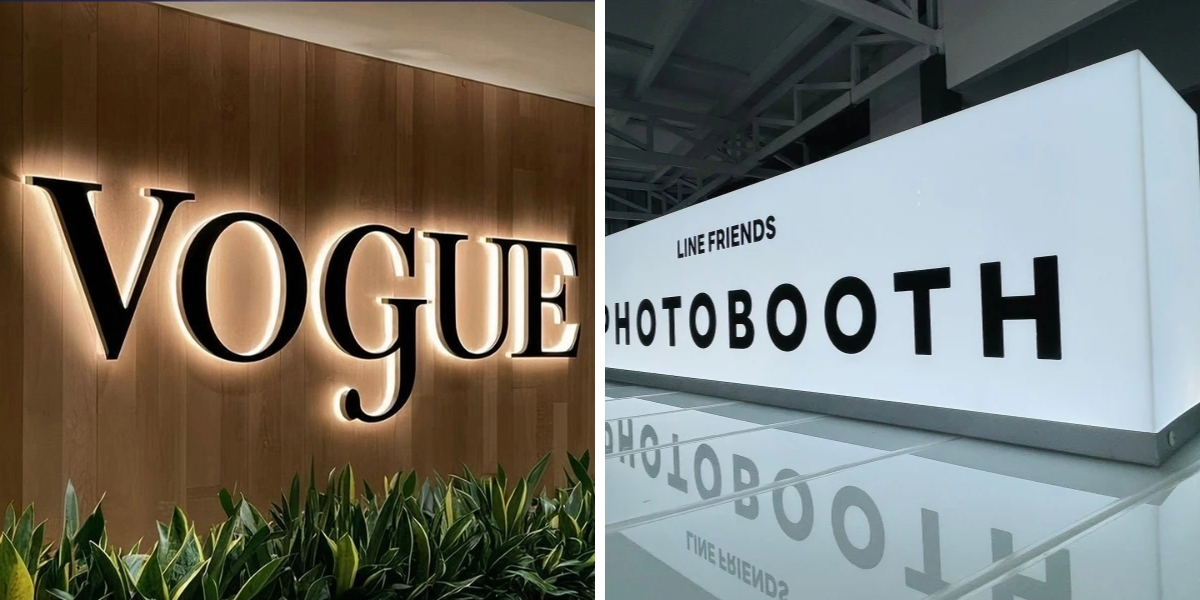
Fianco a fianco, i due tipi divergono su quasi tutti i criteri pratici che verificano un specificatore. Questa griglia è il riferimento testa a testa; leggilo come "stesso lavoro, due risposte ingegneristiche".
| criterio | Lettere di canale | Segni di lightbox (armadio) |
| Struttura e aspetto | singole lettere 3D, ognuna del suo | Un mobile chiuso con faccia stampata (singola o bifacciale) |
| Stile di illuminazione | ogni lettera illuminata internamente - anteriore, alone o entrambi | tutta la faccia in controluce dall'interno |
| Capacità grafica e logo | Lettere e forme semplici; i dettagli fini e le foto sono limitate | Qualsiasi grafica stampata — Foto, sfumature, slogan, loghi complessi |
| Stile visivo | lettere tridimensionali, accese individualmente | Pannello piatto e illuminato uniformemente con grafica a colori |
| Visibilità e leggibilità | Chiarezza nitida e lettera per lettera di notte | Grande pannello luminoso; forte blocco di colore diurno |
| Area illuminata | Solo i tratti delle lettere si illuminano | L'intero viso brilla |
| Forma e personalizzazione | Forme, profondità e finiture per lettera | Forma del mobile (rettangolo, rotondo, personalizzato); una faccia |
| base dei costi | Prezzo per lettera | Prezzo per armadio / per piede quadrato (di solito inferiore per ft²) |
| Installazione | ogni lettera montata separatamente; più penetrazioni | singola unità; meno penetrazioni; più veloce |
| Riparazione/Manutenzione | modulare: servire una lettera o i suoi LED | Moduli/barre a LED sostituibili; faccia stampata rifatta in un unico pannello |
| Durata della vita (LED) | ~50.000 ore (L70) | ~50.000 ore (L70) |
| consumo energetico | In basso: vengono accese solo i tratti | Più in alto: la faccia piena è accesa |
| Singolo vs bifacciale | Tipicamente su un lato, da parete | Monofacciale (parete) o bilaterale (pilone/monumento) |
Il modello è coerente: le lettere di canale hanno un costo più elevato e un'installazione più lenta, con profondità tridimensionale, manutenzione per lettera e potenza di funzionamento inferiore. I lightbox portano una faccia piatta a un pannello singolo, con un prezzo inferiore, capacità grafica completa e un'installazione a unità singola più veloce. Nessuno dei due è intrinsecamente migliore: la scelta giusta dipende da quali compromessi corrispondono al marchio e al budget.
Visibilità e leggibilità: giorno, notte, distanza e angolo
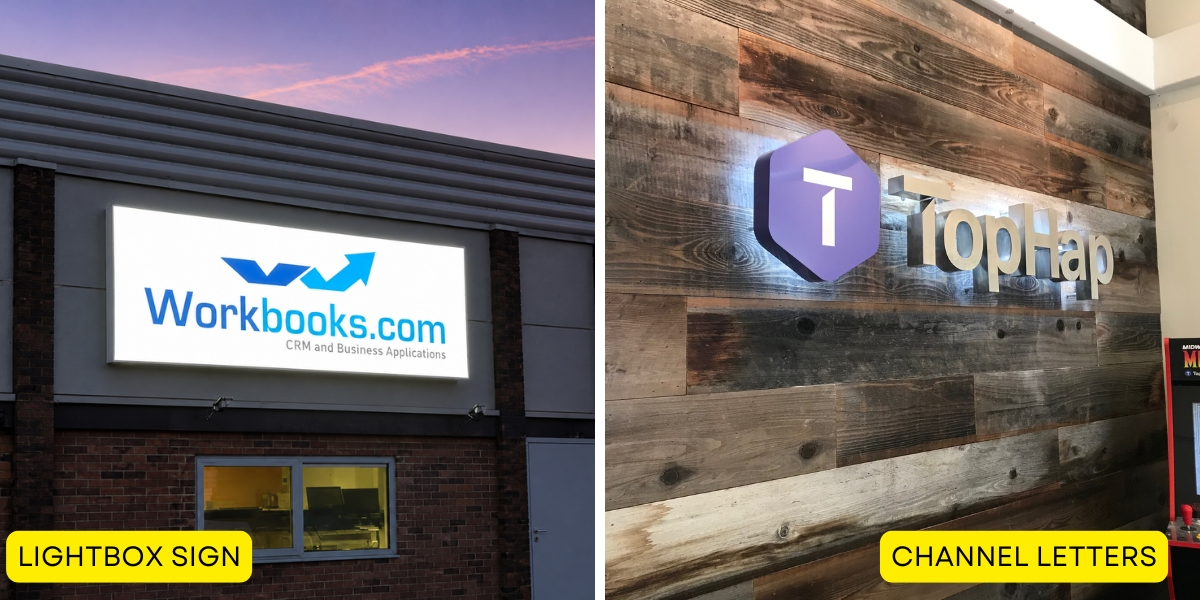
Il modo in cui un segno legge effettivamente per strada è il suo fattore decisionale, separato dal costo o dalla costruzione.
Lettere di canale Avere profondità fisica, quindi la luce del giorno proietta ombre che le mantengono leggibili anche quando l'illuminazione è spenta. Di notte, le lettere frontalmente illuminate danno chiarezza nitida e lettera per lettera, mentre le lettere illuminate dall'alone lanciano un bagliore fluttuante che rimane leggibile da lontano e dagli angoli obliqui del marciapiede.
Segni di lightbox Accendi un pannello ampio e uniforme che si adatta a grafica, foto e loghi luminosi e a colori, e il bagliore diffuso può tagliare la nebbia o la pioggia. I compromessi: una faccia grande può abbagliare o mostrare punti caldi se vista fuori centro e un pannello molto luminoso può sembrare sbiadito da vicino.
Lettura veloce: Per nitidezza e presenza dimensionale delle lettere, lettere di canale; per un blocco luminoso di colori e messaggi pesanti di immagini lette dalla strada, una lightbox.
Cosa c'è dentro: come ciascuno è acceso (la differenza della tecnologia LED)
La differenza più profonda tra i due tipi di segni è ottica e la maggior parte dei confronti saltarla: l'accensione di una manciata di tratti di lettere strette è un problema diverso dall'accensione di un grande pannello piatto in modo uniforme, quindi l'hardware LED è davvero diverso. SignLiteled produce entrambe le famiglie di fonte — vedi moduli a led E Illuminazione delle insegne a LED - e la scelta della fonte è ciò che rende entrambi i segni puliti invece che irregolari.
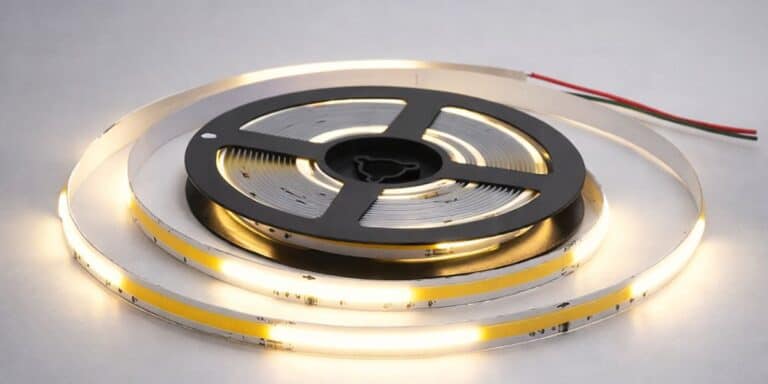
Lettere di canale sono illuminati da moduli LED frontali in una griglia distanziata dietro la faccia acrilica. Il cavallo da lavoro bianco è il chip SMD2835; SMD5050 gestisce il colore RGB. Questi moduli accesi frontalmente utilizzano un fascio ampio di circa 160°, quindi la luce di ogni modulo si sovrappone a quella vicina e riempie la lattina senza spazi vuoti. Per lo script, le lettere minuscole e le curve strette in cui i moduli rigidi non si adattano, i fabbricanti passano a strisce flessibili di tipo S da 6 mm che si piegano attorno al raggio. Lettere Halo Riposizionare gli stessi moduli o strisce sul retro della lettera, rivolti al muro, più sulla larghezza della sorgente a corsa in corrispondenza Quale illuminazione a LED viene utilizzata all'interno delle lettere dei segni illuminati.
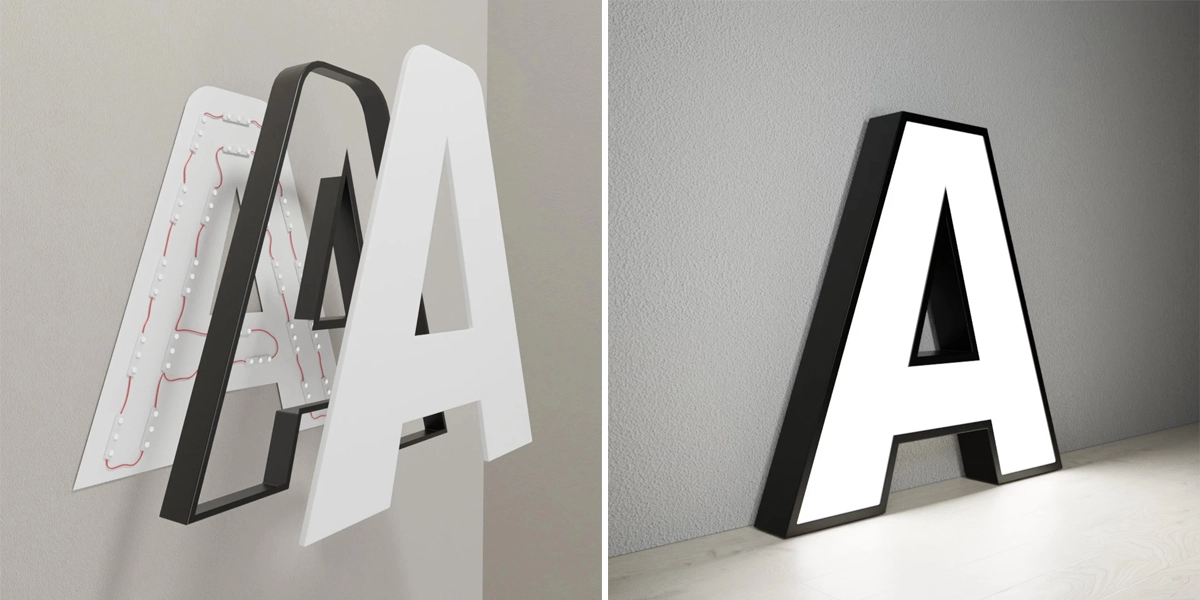
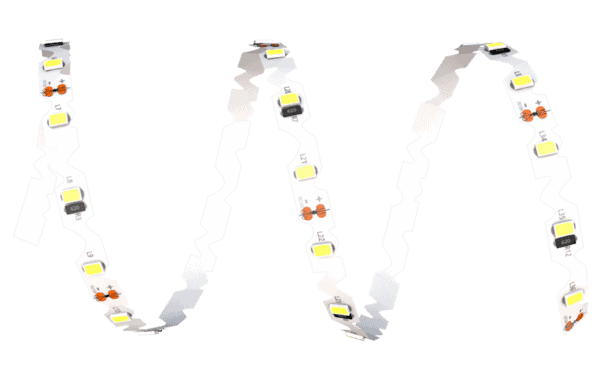
SMD2835 60LEDS 6mm Luce a S striscia a forma di S bianca
- Tipo di LED: SMD2835
- Densità LED: 60 LED/m
- Larghezza PCB: 6 mm
- Design a strisce: PCB flessibile a forma di S
- Colore: bianco
- Efficienza luminosa: 220 lm/W
- Tensione di ingresso: 12V / 24V DC
- CRI (indice di resa cromatica): Ra ≥ 80
- Angolo del fascio di luce: 120°
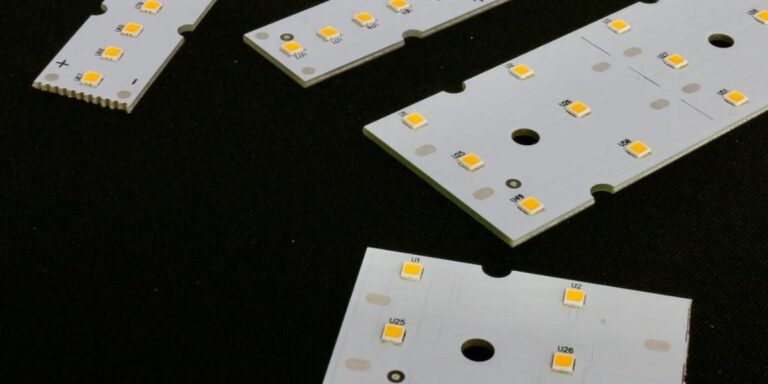
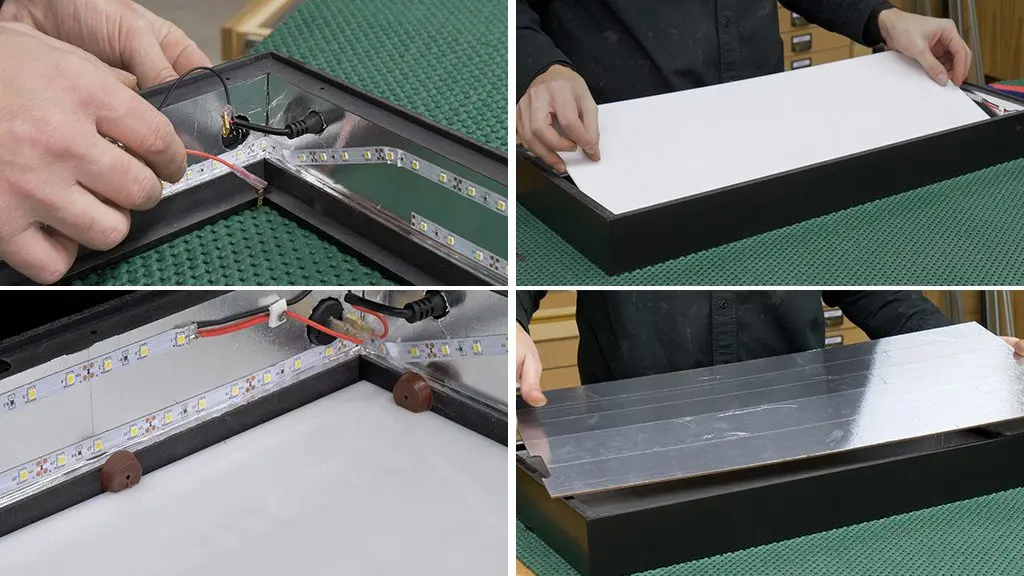
Segni di lightbox affrontare un lavoro ottico più difficile: l'intero viso deve brillare uniformemente. Due sorgenti a LED coprono la maggior parte degli armadi. Usato armadi standard e profondi Moduli retroilluminati SMD2835 Con un raggio ampio (~160°), distanziato alla profondità dell'armadio in modo che la luce di ogni modulo si sovrapponga a quella successiva. Usano gli armadi per cartelloni pubblicitari a luce, bifacciali e affissi SMD3030 (e SMD2835) Barre luminose rigide a LED Montato lungo il telaio, con ottiche di lancio laterale strette, ad esempio 15×45° o 10×25°, che spingono la luce su una o entrambe le facce. Più basso è la scatola, più attentamente la spaziatura della barra e l'angolo del fascio vengono calcolati per evitare punti luminosi attraverso la faccia.
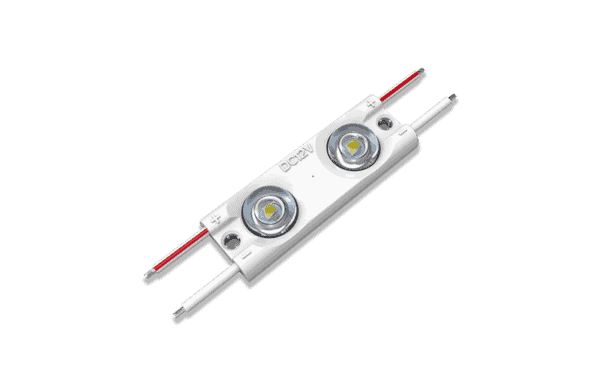
Luce del modulo LED DC12V di colore singolo 2LED
- Design PCB esposto per una buona dissipazione del calore
- Insufficienza di scarsa illuminazione per una durata più lunga
- Chip LED ad alta potenza da 9 V per un'uscita più luminosa e una maggiore efficienza
- Progettazione a corrente costante per una minore caduta di tensione
- Collega di più per catena
- Obiettivo a 160° per illuminazione uniforme
- Adatto per segni sottili
Elementi essenziali di ingegneria condivisi Applicare ad entrambi:
- Tensione: Bassa tensione 12 V o 24 V CC.
- Protezione in ingresso: IP65 per uso esterno generale; IP67 per siti bagnati o costieri.
- Driver: Alimentatori a corrente costante o a tensione costante caricati a non più di 80% di potenza nominale per altezza libera termica — unità di potenza IP67 (ad esempio, serie media XLG) per scatole da esterno. visitare Alimentatori a LED.
- Consistenza del colore: I chip sono raggruppati in una tolleranza di macadam in 3 fasi in modo che i moduli adiacenti vengano letti come lo stesso bianco.
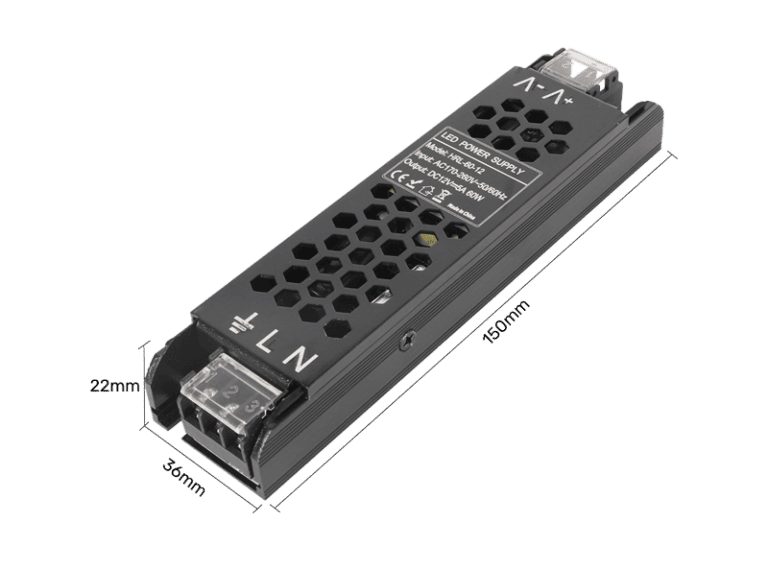
Driver ultrasottile da 12 V per strisce luminose a LED
- Tensione di ingresso: AC110-260V
- Gamma di frequenza: 47-63Hz
- Fattore di potenza: 0,5-0,6
- Efficienza: >80%
- Potenza nominale: 60W
- Tensione di uscita: DC12V
- Corrente nominale: 5A
- Grado di protezione IP: IP20
- Garanzia: 3 anni
- Dimensione: L150 × W36 × H22mm
Sorgente LED per tipo di segno
Sorgenti luminose di lettere di
| elemento | Sorgente LED tipica | Perché questa fonte |
| Lettere accese | Moduli bianchi SMD2835 (traggio ~ 160°); SMD5050 per RGB | La larghezza del raggio si sovrappone e riempie la lattina, spingendo anche la luce attraverso il viso |
| Scrittura, lettere piccole o curve | Strisce flessibili da 6 mm | Si piega in raggi stretti e corse strette dove i moduli rigidi non si adattano |
| Halo / Lettere accese | Moduli o strisce posteriori | rivolto al muro per lanciare un morbido bagliore di contorno dietro la lettera |
Sorgenti luminose per lightbox (armadio)
| elemento | Sorgente LED tipica | Perché questa fonte |
| Armadi standard / profondi | Moduli retroilluminati SMD2835 (~160°) | La griglia distanziata inonda l'intera faccia, rimuovendo i punti caldi su un grande pannello |
| Armadi a luce bilaterale e bifacciali | SMD3030 / SMD2835 Barre luminose rigide a LED (15×45°, 10×25°) | barre di lancio laterali lungo il telaio si illuminano in modo uniforme una o entrambe le facce |
Confronto dei costi
I due segni sono citati su basi diverse - lettere di canale per lettera, una lightbox per armadietto - quindi le tabelle sottostano ogni tipo su una tipica base di segni finiti per il mercato statunitense per una visione simile. SignLiteled fornisce entrambi i diretti di fabbrica, che funziona al di sotto di queste cifre del mercato finito (salvi la fabbricazione locale e il markup al dettaglio) - invia le dimensioni per un preventivo esatto.
Segni di lettere di canale
| Firma la portata | costo tipico finito |
| Piccolo negozio (poche lettere brevi) | $2.000–$4.000 |
| Set di vetrine di medie dimensioni | $3.000–$7.000 |
| Set grande o altamente personalizzato | $4.000–$10.000+ |
Diretto in fabbrica da SignLiteled, le lettere stesse funzionano all'incirca $40–$80 ciascuna a 8″ fino a $350–$800+ a 36″, franco fabbrica. Le scale dei costi delle lettere di canale con conteggio e altezza delle lettere, complessità delle lettere (una "W" o "&" costano più di una "i"), materiale di ritorno (alluminio vs inossidabile), qualità del viso, conteggio e grado dei LED, classificazione IP e montaggio (via di corsa vs filo).
Lightbox / Segni per armadietti
| Tipo di armadio | costo tipico finito |
| Piccolo / Pronto allo scaffale | poche centinaia-$1.500 |
| Vetrina su un solo lato | $1.500–$3.500 |
| Doppio lato (pilone / monumento) | $1.800–$6.500 |
| Faccia grande / formata sottovuoto | fino a ~$8.000 |
Il costo della lightbox è guidato dalle dimensioni dell'armadio, dalla forma singola vs a doppia faccia, dalla forma (rettangoli e arrotondamenti costano meno delle curve personalizzate), materiale del viso (acrilico vs policarbonato) e complessità grafica: una stampa fotografica costa più del colore a blocchi piatti.
In tutto il settore, le lettere di canale generalmente comportano un costo leggermente superiore rispetto a una lightbox comparabile, perché ogni lettera è fabbricata individualmente, illuminata e cablata mentre una lightbox è un armadio con una sola faccia. Per segni comparabili di medie dimensioni, i due possono atterrare abbastanza vicini e le lettere elaborate ampliano il divario. Le cifre riflettono una costruzione diversa, non che un segno valga di più: la scelta giusta dipende dal budget insieme ai fattori visivi e funzionali di cui sopra.
Per un prezzo esatto in fabbrica su entrambi i tipi, invia le tue dimensioni, il tipo di segno e la quantità per un preventivo.
Differenze di installazione
Lo sforzo di installazione deriva direttamente dalla struttura. Le lettere di canale sono montate lettera per lettera - a filo al muro, su una pista o su un sostenitore - quindi ogni personaggio significa segni di layout, elementi di fissaggio e penetrazioni del muro, oltre al cablaggio per legarli insieme. Ciò rende l'installazione più lenta e più laboriosa, ed è per questo che spesso viene specificata una pista su pareti affittate: consolida il cablaggio in una scatola di montaggio e riduce al minimo i buchi che un padrone di casa deve approvare. le scelte di montaggio e cosa mettere sulla scheda tecnica sono trattate nella guida Scelta e specifica dei segni di lettere di canale.
Una lightbox si installa come un'unica unità, con meno penetrazioni del muro e un processo più veloce: si monta su una parete o una fascia, o si trova su un palo o una base di monumenti.
Nota di ingegneria: Per entrambi i tipi, il conducente appartiene a un luogo ventilato e riparabile, con percorsi di conduit previsti per la fornitura. Le insegne elettriche in Nord America sono regolate da UL 48 (lo standard di sicurezza per le insegne elettriche) e NEC articolo 600 (installazione di insegne elettriche e illuminazione di contorno); si noti che l'utilizzo di componenti elencati UL non rende di per sé un segno finito elencato UL e la modifica di un segno sul campo può annullare il suo elenco, quindi confermare ciò che il tuo comune richiede prima della fabbricazione. I codici locali variano: alcuni comuni limitano anche l'illuminazione ad alone (illuminata inversa) o la luminosità del segno del cappuccio, quindi controlla la zonizzazione e i limiti del codice energetico prima di progettare.
Durata, riparazione e manutenzione
La manutenzione funziona in modo diverso per ogni tipo. Le lettere di canale sono modulari: se i LED di una lettera si guastano, quella singola lettera (o la sua stringa del modulo) viene revisionata o sostituita mentre il resto non viene toccato. Resistente all'alluminio e all'acciaio inossidabile Resist Weather — Inox 304 è standard, con 316 scelti per l'esposizione al sale costiero.
Una lightbox è revisionata come armadietto. I suoi moduli LED interni o barre rigide possono essere aperte e sostituite in caso di guasto; la faccia stampata, tuttavia, è un unico pannello, se si rompe o si ingiallisce viene rivisto nel suo insieme anziché in sezioni. Un viso di qualità e stabile ai raggi UV mantiene quel rifacimento lontano.
Anche il clima e la struttura modellano la scelta. Le lettere di canale portano un profilo di carico basso e la loro costruzione aperta consente all'acqua di drenare, che li aiuta a soddisfare il codice nelle aree soggette a uragani. Una lightbox presenta una grande faccia, così un calore intenso può inchinarlo, forti carichi di neve richiedono un'inquadratura rinforzata e i siti costieri o umidi necessitano di sfiati e drenaggio dell'armadio per prevenire la condensa; sotto il duro sole del deserto un viso stampato potrebbe dover essere rinfrescato ogni tre o cinque anni.
Per la durata della vita, entrambi i tipi utilizzano LED classificati a circa 50.000 ore - e quella cifra è L70, il che significa che la luminosità è sbiadita a 70% di originale, non che il segno sia diventato scuro. SignLiteled è certificato UL, ETL, CE e RoHS e sostiene i suoi segni e componenti a LED con una garanzia di 3-7 anni.
Quale è giusto per la tua attività?
Abbina il segno al lavoro. Le due liste di controllo e la tabella degli scenari di seguito trasformano il confronto in una decisione.
Scegli le lettere di canale se...
- Vuoi una facciata tridimensionale con lettere rialzate e illuminate individualmente.
- La nitidezza delle lettere notturne conta più di un grande blocco di luce.
- Hai bisogno di una corrispondenza esatta Pantone integrata in faccia.
- Un proprietario o un centro commerciale richiede lettere di canale nei criteri del segno del inquilino.
- Stai investendo in una risorsa di branding a lungo termine e desideri riparazioni isolate e a basso costo.
Scegli i segni di lightbox se...
- Il budget è limitato e vuoi il costo più basso per l'area illuminata.
- Il logo include una foto, una sfumatura, un dettaglio fine o una lunga slogan.
- Hai bisogno di un grande pannello illuminato o di un cartello lungo la strada letto da distanza.
- Il cartello si trova su un palo o un monumento e deve essere a doppia faccia.
- Vuoi l'installazione a unità singola più veloce.
Segno consigliato per scenario
| situazione | Tipo consigliato |
| Marchio al dettaglio nazionale o vetrina del centro commerciale | Lettere di canale |
| Budget primo segno stretto | lightbox |
| Logo con foto, sfumatura o dettaglio fine | lightbox |
| slogan lungo o messaggio multilinea | lightbox |
| Pilone o monumento lungo la strada visto da entrambi i lati | Lightbox a doppia faccia |
| Ospitalità o facciata di punta | Lettere di canale |
| Il proprietario limita le penetrazioni delle pareti | Lettere di canale su una pista o un'unica lightbox |
| Nome dell'attività più un marchio di logo separato | Ibrido: lettere di canale + scatola del logo |
Puoi combinare entrambi? Sì, l'ibrido comune esegue il nome commerciale in lettere di canale per la presenza dimensionale, abbinato al logo in una piccola scatola di lightbox/logo che gestisce il segno dettagliato che una singola lettera non può. È standard per le catene: il nome appare come lettere dimensionali in rilievo mentre la casella del logo non può che le lettere di colore e forma non possono, e ha senso ogni volta che la tua identità è un marchio wordmark più un'icona piuttosto che un testo da solo.
Invia il tuo logo, la dimensione del segno e la posizione e SignLiteled ti consiglierà l'opzione giusta e la citerà direttamente in fabbrica, con produzione OEM/ODM e consegna in tutto il mondo.
Conclusione
La decisione si riduce ai compromessi, non al vincitore: le lettere di canale ti danno una vetrina tridimensionale con manutenzione per lettera e potenza di corsa inferiore a un costo iniziale più elevato; una lightbox ti offre capacità grafica completa, un ampio pannello uniformemente illuminato e un'installazione a unità singola più veloce e più bassa con una faccia piatta. Per molte aziende la risposta è entrambe: lettere per il nome, una casella del logo per il marchio. Un produttore certificato UL, ETL, CE- e ROHS dal 2011, SIGNLITLEED produce i componenti LED e le insegne personalizzate complete per entrambi gli approcci, direttamente in fabbrica con OEM/ODM; invia la tua opera d'arte e le dimensioni attraverso il Pagina di lettere illuminate a LED per un preventivo.
FAQ
Post correlati