日本語
日本語  English
  简体中文
简体中文  Deutsch
  Español
  Français
  Italiano
  한국어
한국어  Polski
  Português
  Русский
  Türkçe
  Nederlands
  Tiếng Việt
  ไทย
ไทย 
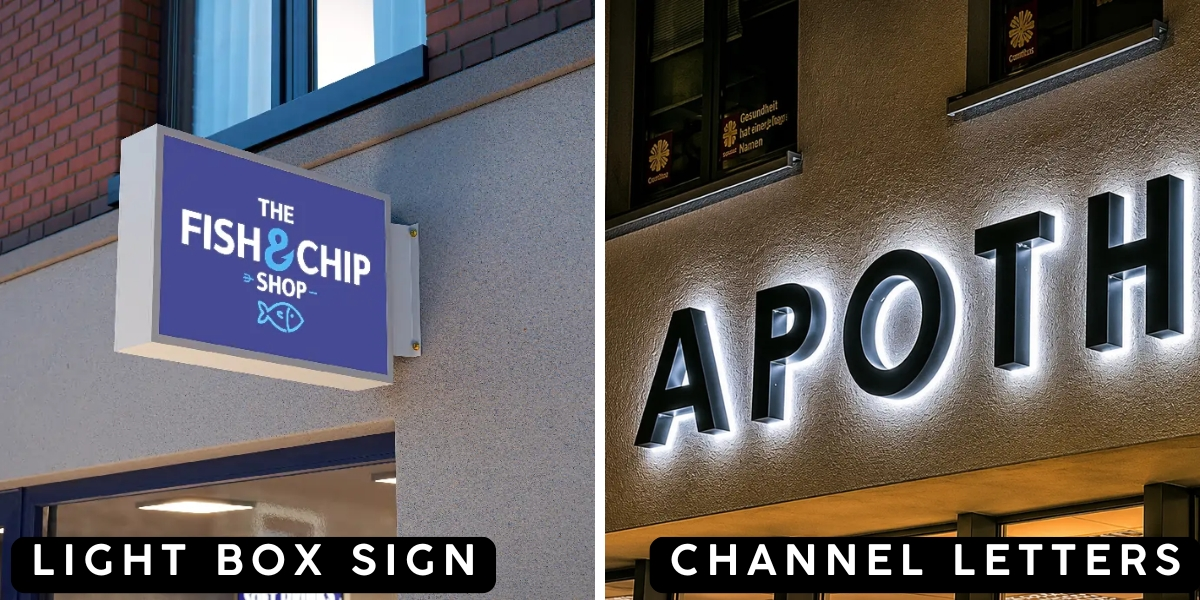
チャンネル文字は個々の 3 次元照明付き文字で、それぞれが製造され、単独で点灯します。一方、ライトボックス (またはキャビネット) の記号は、1 つの半透明の印刷面を備えた 1 つの密閉されたボックスであり、全体として光る、1 つの構造上の決定、1 つの大きな照明の形状に対して、1 つの大きな照明のパネルが、次のような違いをすべて駆動します。 サインライトテッドは両方の製造元 チャンネル文字 ライトボックスのキャビネット サインと、それらを点灯する内部 LED ソースと工場直送。
購入者は通常、3 つの軸で 2 つのどちらかを決定します。それは、可視性 (サインが昼夜を問わず読み取る方法)、コスト (前払いおよびその耐用年数以上)、ブランディング (ファサードで必要な外観) です。 短いバージョン: チャンネル文字は立体的な深みと鮮明な夜間文字の明瞭さを提供します。ライトボックスは低コスト、最も複雑なグラフィック、均一に照らされた最大の領域を提供します。
重要なポイント
- 構造: チャンネル文字は、それぞれの LED を備えた 3D 文字で、ライトボックスは、裏面に照らされた印刷面を備えた 1 つの密閉されたキャビネットで、片面または両面で作られています。
- 費用ベース: チャネル文字は文字ごとに引用されます。ライトボックスはキャビネット (平方フィートあたり) ごとに引用され、通常は同じフットプリントに対して低価格です。
- 修理モデル: チャンネル文字はモジュール式 — 1 文字のサービス。ライトボックスも使用可能 — LED モジュールまたはバーを交換でき、損傷した印刷面は 1 つのパネルとして再設定されます。
- それぞれが当てはまる場所: チャンネル文字は 3 次元の個別に照らされた文字を与えます。ライトボックスには写真、グラデーション、長いテキスト、または道端のパネルが含まれています。
- ハイブリッド オプション: 多くのチェーンは、チャンネル文字に加えてライトボックス/ロゴ ボックスにロゴを入れて名前を付けています。常に 1 つを選ぶ必要はありません。
- 両方のサプライヤー: SignLiteLED (UL, ETL, CE, RoHS Certified) は、いずれかのタイプの LED モジュールと LED サイン照明、および完成した標識も製造しています。
チャンネル文字とは何ですか?
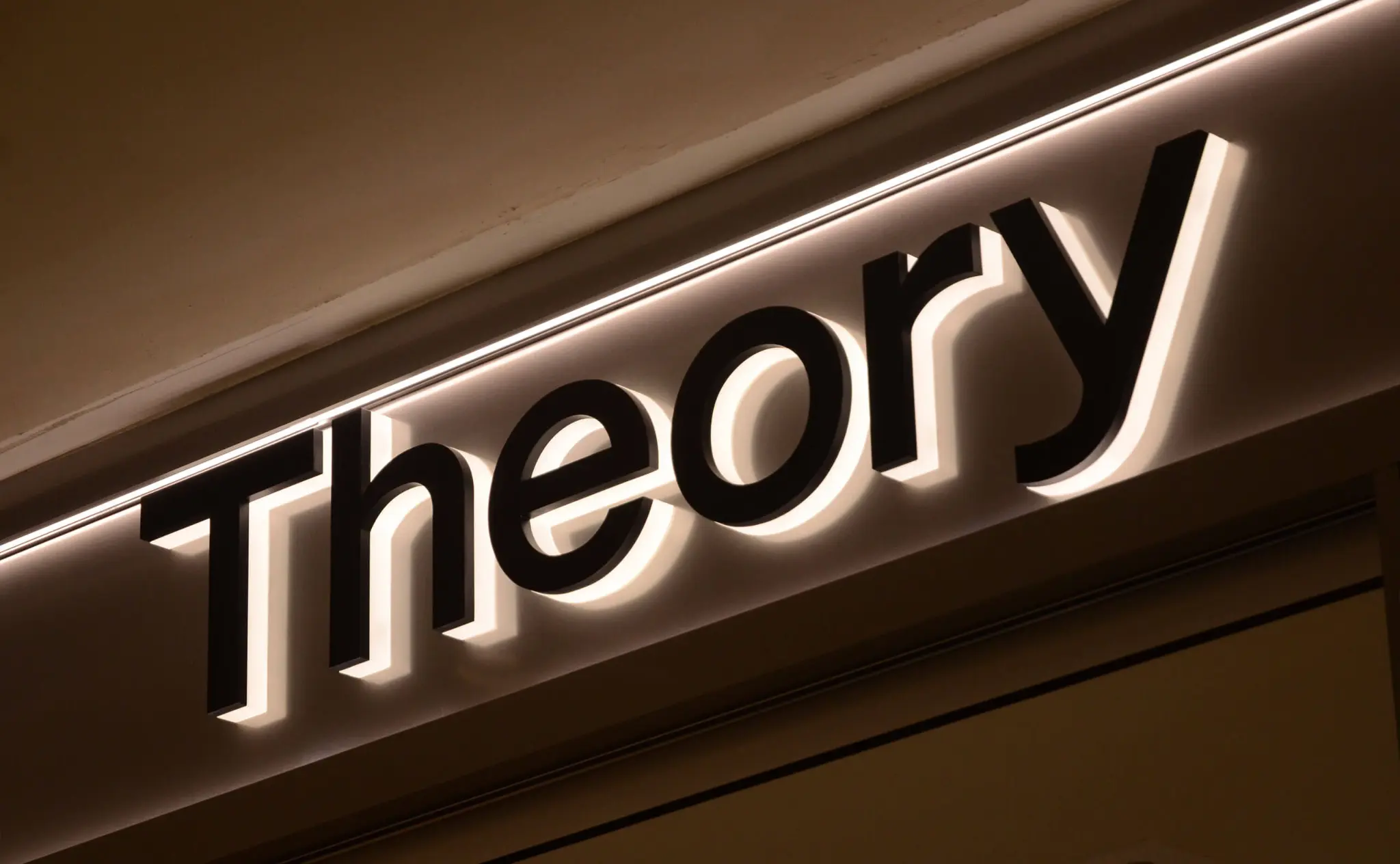
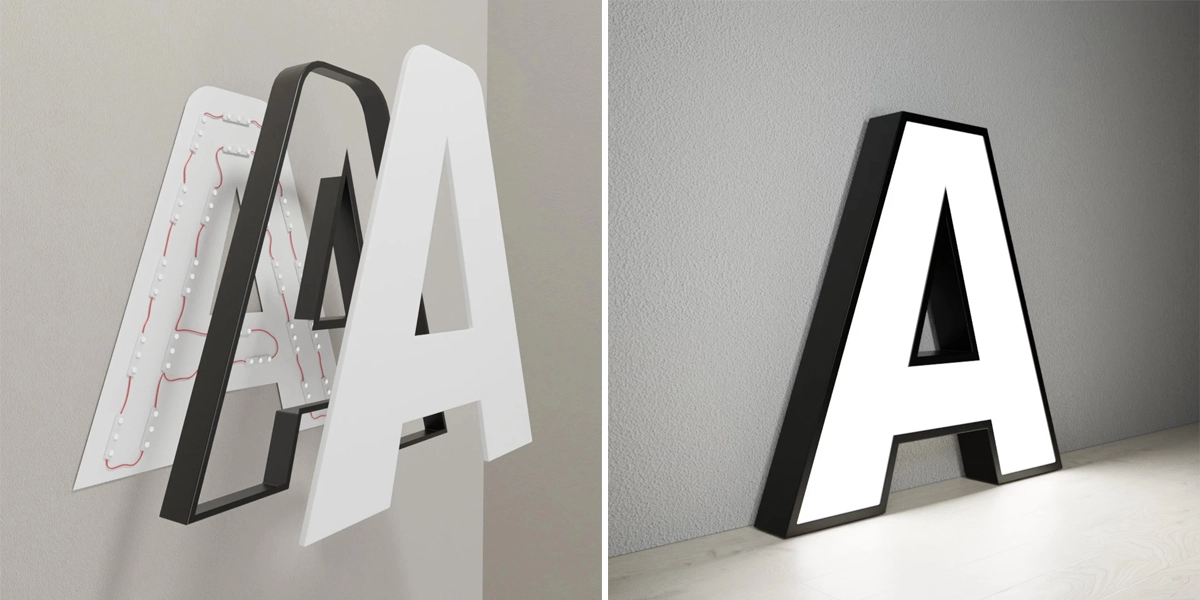
チャンネル文字は個別に製作された 3 次元の文字と形状で、それぞれが独自の浅い金属の「缶」として形成され、内部から LED で照らされています。 各文字には、アクリル面、リターン (通常はアルミニウム製)、背面があり、LED は内側に配置され、軽くて顔全体に均等に広がります。 文字の高さは通常 100 mm から 2000 mm まで走り、30 ~ 150 mm の文字の深さは、照明が開花する必要がある範囲に応じて、30 ~ 150 mm です。 完全な解剖学については、ピラー ガイドを参照してください。 照らされたチャンネル文字は何ですか.
それらがどのように点灯するかは、定義の一部です。 正面に点灯した文字が顔全体に光り、ハローライト (逆) の文字が背面に LED を取り付けて、文字の後ろの壁を軽く洗い流して浮動輪郭を作ります。組み合わせ文字は、両方を一度に行います。 文字は、ファサードの面、レースウェイ (配線を担って壁の穴を減らす水平ボックス) またはバッカー パネルに 3 つの方法で取り付けます。
推奨: 小売、ホスピタリティ、企業、およびこのタイプのサインを必要とするモールのテナントなど、夜間に文字ごとに読みやすく、3 次元の店舗を希望する企業。
ライトボックス (キャビネット) サインとは何ですか?
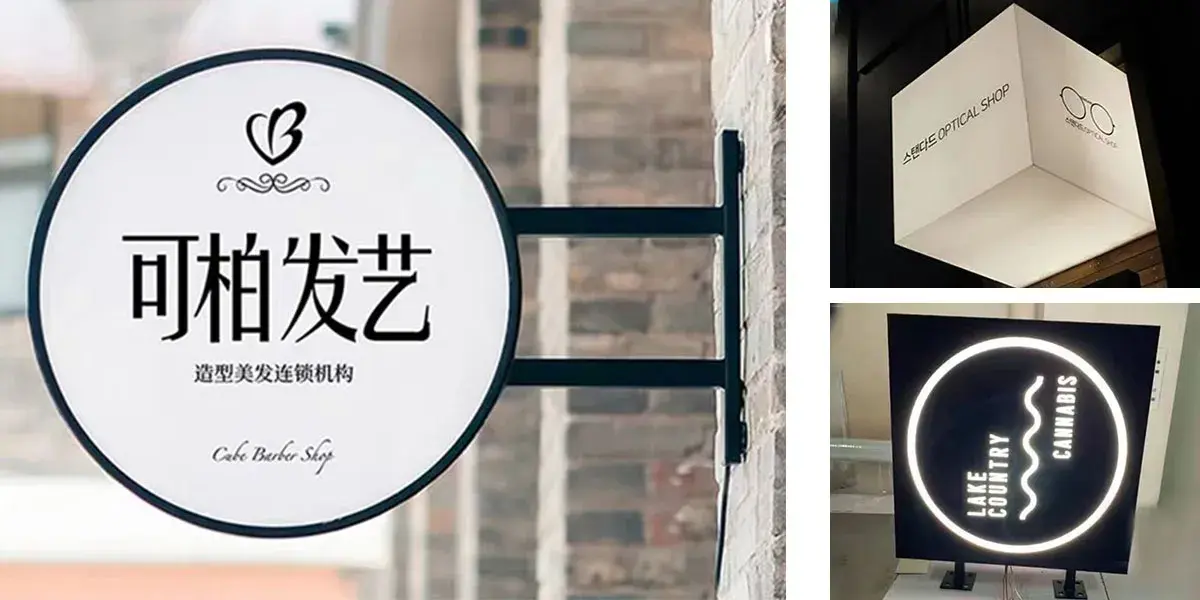
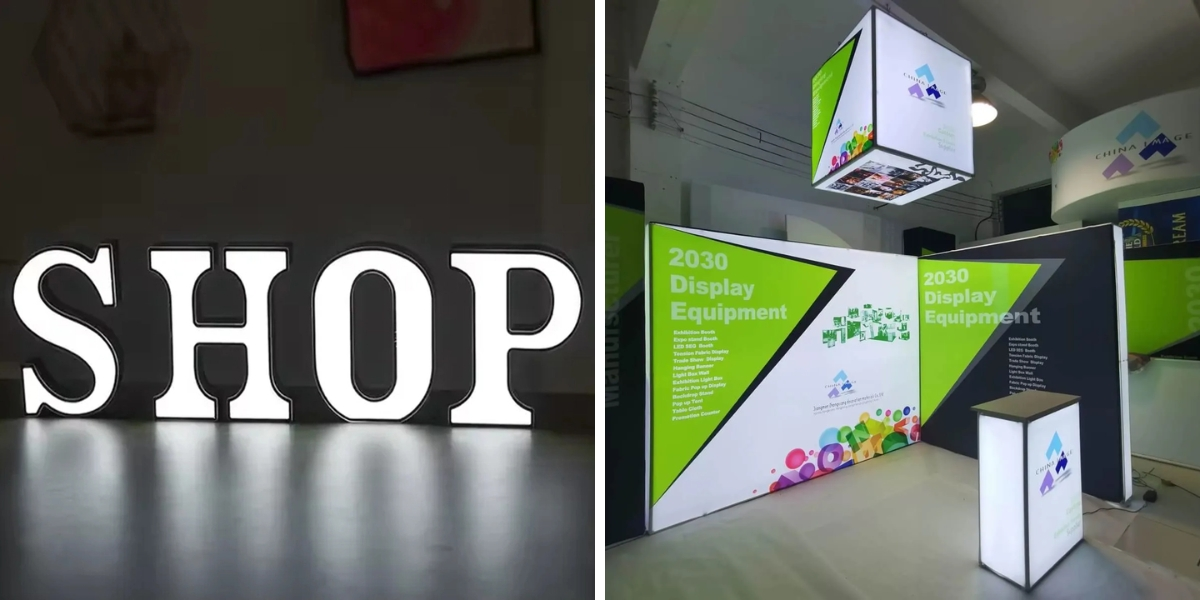
ライトボックス サインは、半透明のアクリルまたはポリカーボネートの面を備えた 1 つの密閉されたアルミニウム キャビネットで、デジタル印刷または貼り付けられたビニールで包み、内側から LED によって均一に照らされ、顔全体が光ります。 グラフィックは 1 つの連続したパネルに存在するため、ライトボックスは、完全なロゴ、写真、グラデーション、キャッチフレーズ、複数行のテキストなど、印刷可能なものをすべて取り込み、1 つの明るいブロックとして表示できます。 キャビネットは壁または筋膜の取り付け用に片面、パイロンやモニュメント構造物を両面で 2 方向から読み取る。
単一のキャビネット アーキテクチャに組み込まれているトレードオフは均一です。顔全体が均一に点灯し、明るいパッチや暗いパッチがなくても、文字の製造ではなく LED 配置の問題です。
推奨: 詳細なグラフィック、写真のグラフィック、大きな照明付きエリア、道端の両面看板、または照明付きの店先への最速の低コストのパスを必要とする企業。
チャンネル文字とライトボックスのサインの長所と短所
各記号タイプは、特定の理由でその場所を獲得します。基準ごとのグリッドは次のセクションにあります。
チャンネル文字 — 利点
- 立体的な深さ — 各文字はファサードの外に立っています。
- ブランド カラーの完全一致: パントン ターゲットは、近似されずにアクリル面に組み込まれています。
- 夜間の文字の明瞭度が高い — 各文字は独自の光源です。
- モジュラー修復: 障害は、符号全体ではなく、1 文字に分離されます。
- 密閉型 LED と金属製のリターンによる長寿命。
- サインタイプの地主やモールは、テナント基準で指定することがよくあります。
チャンネル文字 — 欠点
- すべての文字が個別に製造され、配線されているため、初期費用が高くなります。
- より複雑なインストール — 各文字は個別にマウントされ、壁の侵入が追加されます。
- 細かい部分、写真、または長いテキスト ブロックに限定されます。
- 1 つのキャビネットよりもリードタイムが長くなります。
ライトボックスのサイン — 利点
- 低コスト — 1 つのキャビネットは、照明面積の 1 平方フィートあたりのコストが最も低くなることを意味します。
- 完全なグラフィックの顔: 写真、グラデーション、複雑なロゴ、キャッチフレーズはすべて直接印刷されます。
- 1 つのパネルに均一に照らされた大きな領域。
- 1 つの自己完結型ユニットとしてすばやくインストールします。
- ポールとモニュメントの配置に両面を利用できます。
ライトボックスのサイン — 欠点
- 個々の文字を起毛するのではなく、平らで 2 次元の面。
- 単一パネルの面: 内部の LED モジュールまたはバーは、失敗した場合は交換できますが、ひび割れや黄ばんだ印刷面は、断面ではなく 1 つのパネルとして再フェイスされます。
- 文字ストロークだけでなく、顔全体が点灯するため、エネルギーの使用率が高くなります。
- アクリル面は、低品位の顔を使用すると、何年にもわたって紫外線にさらされると黄色になることがあります。
チャンネル レターとライトボックスのサイン: 主な違い
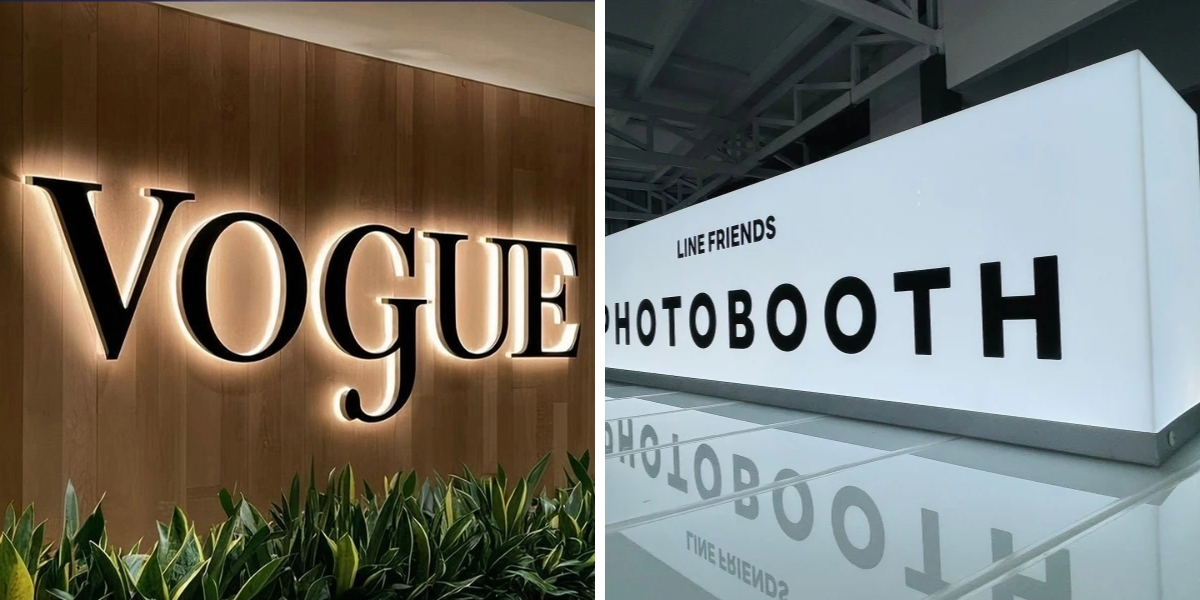
並べて、2 種類は、指定子がチェックするほぼすべての実用的な基準で分岐します。 このグリッドは、直接のリファレンスであり、「同じ作業、2 つのエンジニアリングの回答」として読み取れます。
| 基準 | チャンネル文字 | ライトボックス (キャビネット) の標識 |
| 構造と外観 | 個々の 3D 文字、それぞれ独自のことができます | 印刷面が付いた 1 つの密閉キャビネット (片面または両面) |
| 照明スタイル | 内部で点灯する各文字 — フロント、ハロー、またはその両方 | 顔全体が裏面から照らされ、内側から均一に照らされています |
| グラフィックとロゴの機能 | 文字とシンプルな形; 細かい部分と写真は限られています | 印刷されたグラフィック — 写真、グラデーション、キャッチフレーズ、複雑なロゴ |
| ビジュアルスタイル | 立体的で、個別に照らされた文字 | フラットで均一に照らされたパネルにフルカラーのグラフィックが施されています |
| 可視性と読みやすさ | 夜は、一文字一文字で鮮明な鮮明さ | 大きな明るいパネル、強い昼間の色のブロック |
| 照らされたエリア | 文字ストロークだけが光る | 顔全体が光る |
| 形状とカスタマイズ | 文字ごとの形、深さ、仕上げ | キャビネットの形 (長方形、丸型、カスタム); 1 つの面 |
| コストベース | 1文字あたりの価格 | キャビネットあたりの価格 / 平方フィートあたりの価格 (通常は 1 フィート 2 メートルあたりより安い) |
| インストール | 各文字が別々に取り付けられ、さらに浸透する | 単一ユニット、より少ない浸透、より高速 |
| 修理・メンテナンス | モジュール — 1 文字またはその LED を整備する | LED モジュール/バーは交換可能。印刷面は 1 つのパネルとして再設定されます |
| 寿命 (LED) | ~50,000 時間 (L70) | ~50,000 時間 (L70) |
| エネルギーの使用 | 下 — ストロークのみが点灯します | より高い — 顔全体が点灯します |
| シングル vs 両面 | 通常は片面、壁掛け | 片面 (壁) または両面 (パイロン/モニュメント) |
パターンは一貫しています。チャネル文字は、3 次元の深さ、文字ごとの整備、およびより低い実行電力を備えた、より高いコストと低速のインストールを実現します。 ライトボックスは、単板の平らな面を持ち、低価格で完全なグラフィック機能を備え、より高速に単一ユニットでインストールできます。 どちらも本質的に優れているわけではありません。正しい選択は、ブランドと予算に一致するトレードオフに依存します。
可視性と読みやすさ: 昼、夜、距離、角度
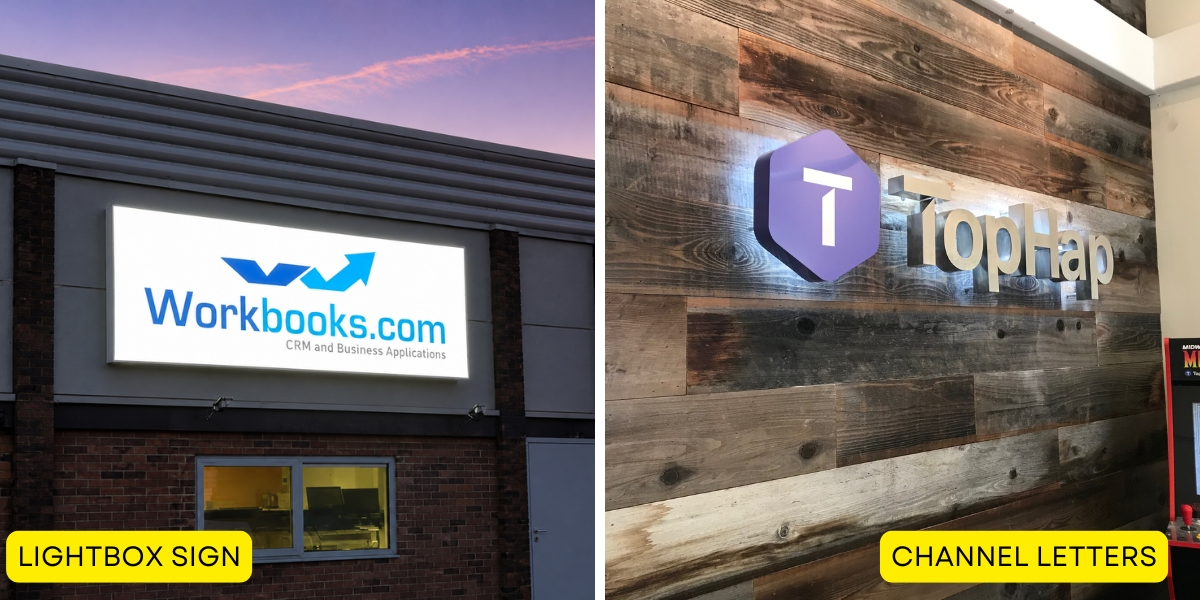
標識が路上で実際にどのように読まれているかは、コストや構造とは別に、それ自体の決定要因です。
チャンネル文字 物理的な深さがあるため、日光は影を落とし、照明が消えていても判読できるようにします。 夜になると、正面に照らされた文字が鮮明で文字ごとに明瞭さを示し、光沢のある文字が浮遊するような輝きを放ち、遠くからでも斜めの歩道の角度からも読み取れます。
ライトボックスのサイン 明るくフルカラーのグラフィック、写真、ロゴに適した、幅広で均一なパネルを 1 つ軽くすると、拡散した輝きが霧や雨を切り抜けることができます。 トレードオフ: 大きな顔は、中心外で見るとまぶしい、またはホット スポットを表示する可能性があり、非常に明るいパネルは、間近で見た目で見られます。
クイック リード: 文字のシャープネスと日中の寸法の存在については、チャンネル文字を使用して、明るい色のブロックと、道路から読み取る画像の多いメッセージング用、ライトボックス。
内部内容: それぞれの点灯方法 (LED 技術の違い)
2 つの記号の最も深い違いは光学的であり、ほとんどの比較ではそれをスキップします。一握りの狭い文字のストロークを点灯することは、1 つの大きなフラット パネルを均等に点灯することとは異なるため、LED ハードウェアはまったく異なります。 SignLiteLED は、両方のソース ファミリーを製造しています — 参照 LED モジュール そして LEDサイン照明 —そして、ソースの選択は、どちらの記号も、斑点のないものではなく、すっきりと見えるようにするものです。
チャンネル文字 アクリル面の後ろの間隔のグリッドにある前面の LED モジュールによって点灯します。 白い主力製品は SMD2835 チップで、SMD5050 は RGB カラーを処理します。 これらの前面に照らされたモジュールは、約 160° の広いビームを使用するため、各モジュールのライトは隣接するモジュールのライトと重なり、隙間なく缶を埋めます。 スクリプト、小さな文字、および剛性モジュールが適合しないタイトな曲線の場合、製造者は半径の周りで曲がる 6 mm S タイプのフレキシブル ストリップに切り替えます。 同じモジュールまたはストリップを、壁に向けて文字の後ろに移動します — ソースとストロークの幅を一致させる方法の詳細 照明付きサイン文字の中で使用される LED 照明は何ですか.
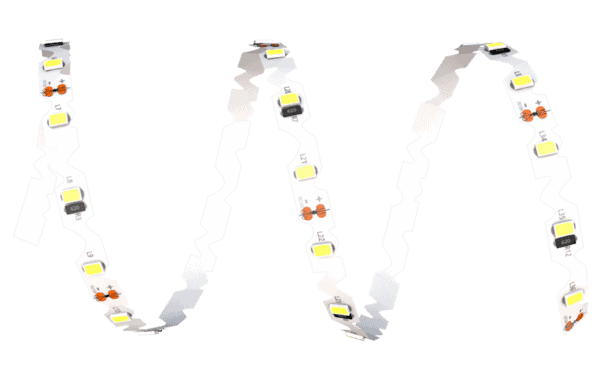
SMD2835 60LED 6mm S 字型白色 LED ストリップ ライト
- LEDタイプSMD2835
- LED 密度: 60 LED/m
- PCB幅:6mm
- ストリップのデザイン: S 字型のフレキシブル PCB
- 色: 白
- 発光効率: 220 lm/w
- 入力電圧: 12V / 24V DC
- CRI (カラーレンダリング インデックス): RA ≥ 80
- ビーム角:120
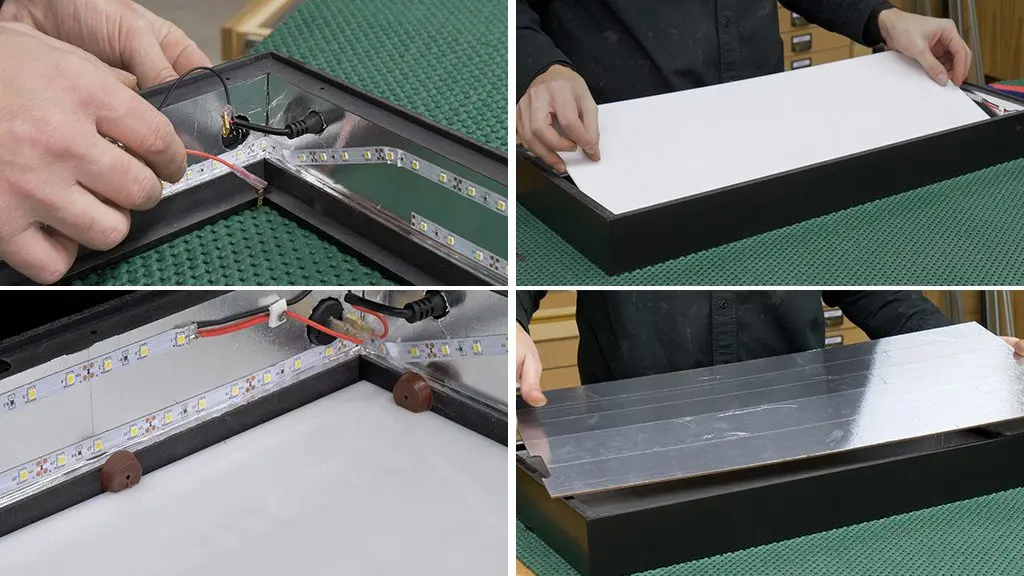
ライトボックスのサイン より硬い光学的作業に直面する: 顔全体が均一に光る必要があります。 2 つの LED ソースは、ほとんどのキャビネットをカバーしています。 標準およびディープ キャビネットの使用 SMD2835 バックライトモジュール 幅の広い (~160°) ビームで、キャビネットの深さに間隔をあけて、各モジュールのライトが次のモジュールに重なるようにします。 エッジライト、両面、およびビルボード キャビネットの使用 SMD3030 (および SMD2835) 剛性 LED ライトバー フレームに沿って取り付けられ、15×45° や 10×25° などの狭いサイドスロー光学系があり、片面または両方の面で光を押します。 ボックスが浅いほど、バーの間隔とビーム角度がより慎重に計算され、顔を通る明るい点が表示されないようにします。
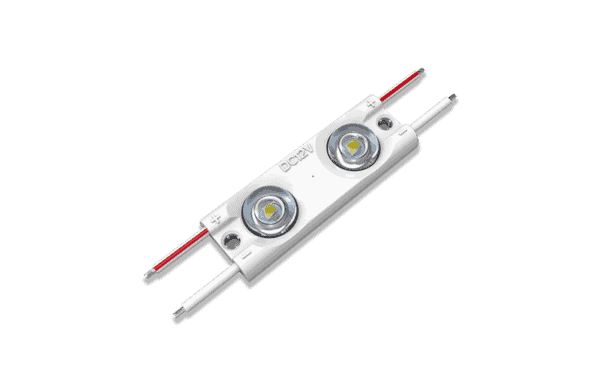
単一色2LED DC12V LEDモジュールライト
- 放熱性の高い PCB 設計
- 長寿命の低光障害
- より明るく効率的な出力を実現する 9V 高出力 LED チップ
- 電圧降下を抑える定電流設計
- チェーンごとに接続する
- 均一な照明用の 160° レンズ
- 薄いサインに適しています
共有エンジニアリングの必需品 両方に適用します。
- 電圧: 低電圧 12 V または 24 V DC。
- 入口保護: 一般的な屋外用 IP65、湿式または沿岸のサイトの IP67。
- ドライバー: 熱ヘッドルーム用の定格出力の定格出力の 80% 以下にロードされる定電流または定電圧電源装置 — 屋外ボックス用の IP67 定格ユニット (たとえば、平均ウェル XLG シリーズ)。 みるの LED 電源装置.
- 色の一貫性: 3 段階のマカダム公差にチップがビニングされたので、隣接するモジュールは同じ白として読み取られます。
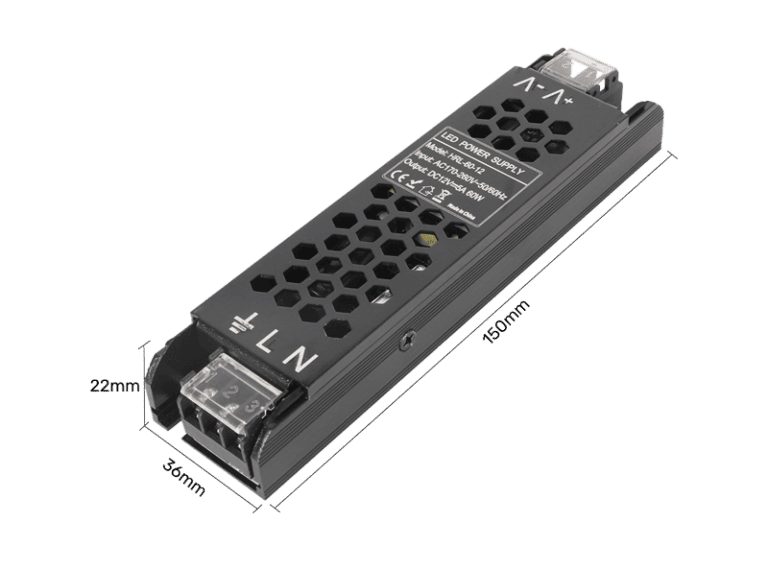
LED の滑走路端燈のための 12V 極度の薄い運転者
- 入力電圧: AC110-260V
- 周波数範囲: 47-63Hz
- 力率: 0.5-0.6
- 効率: >80%
- 定格電力: 60W
- 出力電圧DC12V
- 定格電流: 5A
- IP定格IP20
- 保証: 3 年間
- 寸法: L150 × W36 × H22mm
サインタイプ別の LED ソース
チャンネルレターの光源
| 要素 | 代表的な LED ソース | なぜこのソース |
| 前面に照らされた文字 | SMD2835 ホワイト モジュール (~160° ビーム); RGB 用 SMD5050 | 広いビームがオーバーラップして缶を埋め、顔全体に光を当てて押し込みます |
| スクリプト、小さな文字または曲線の文字 | 6 mm S タイプのフレキシブル ストリップ | 剛性モジュールが収まらない、狭い半径と狭いストロークに曲がります |
| ハロー/リバースライト付きの文字 | 背面に取り付けられたモジュールまたはストリップ | 文字の後ろに柔らかいアウトラインの輝きを投げるために壁を狙った |
ライトボックス (キャビネット) 光源
| 要素 | 代表的な LED ソース | なぜこのソース |
| 標準/深部キャビネット | SMD2835 バックライト モジュール (~160°) | 間隔をあけたグリッドが顔全体をあふれさせ、大きなパネル全体のホット スポットを取り除きます |
| エッジライト、両面 & ビルボード キャビネット | SMD3030 / SMD2835 剛性 LED ライトバー (15×45°、10×25° 光学系) | フレームに沿ってサイドスロー バーが片面または両面を均等に照らします |
コスト比較
2 つの記号は、文字ごとにチャネル文字、キャビネットごとにチャネル文字など、異なる根拠で引用されているため、下の表では、類似したビューの場合、米国市場の典型的な完成記号ベースに各タイプを示しています。 SignLiteLed は、これらの完成した市場の数値 (ローカルでの製造と小売りのマークアップをスキップ) の下で実行される両方の工場直送の供給品にします。正確な見積もりのサイズを送信します。
チャンネルの文字サイン
| サインスコープ | 典型的な完成費用 |
| 小さな店頭 (数文字の短い文字) | $2,000–$4,000 |
| 中型店頭セット | $3,000–$7,000 |
| 大規模または非常にカスタムのセット | $4,000–$10,000+ |
SignliteLed から工場出荷時の文字で、文字自体は、36 インチの元の作品で、それぞれ 8 インチから $350–$800+ まで、それぞれ $40–$80 程度で動作します。 文字数と高さ、文字数、文字の複雑さ (「I」よりも「W」または「&」の費用)、返品素材 (アルミニウム対ステンレス)、面の品質、LED 数とグレード、IP 評価、取り付け (Raceway 対 Flush) を含むチャンネル レターのコスト スケール。
ライトボックス/キャビネットの看板
| キャビネットタイプ | 典型的な完成費用 |
| 小さい/既製 | 数百~$1,500 |
| 片面店先 | $1,500–$3,500 |
| 両面 (パイロン/モニュメント) | $1,800–$6,500 |
| 大きい/真空成形面 | 最大 ~$8,000 まで |
ライトボックスのコストは、キャビネットのサイズ、片面と両面、形状 (長方形と円形のコストがカスタム カーブよりも安い)、フェース素材 (アクリル製とポリカーボネート製)、グラフィックの複雑さによってもたらされます。写真プリントは、フラット ブロック カラーよりもコストが高くなります。
チャネル文字は、業界全体で、通常、同等のライトボックスよりも多少コストが高くなります。これは、各文字が個別に製造され、点灯し、配線されている間、ライトボックスが 1 つのキャビネットで、面が 1 つあるためです。 中程度のサイズの標識に匹敵する場合、2 つがかなり近くに着地し、精巧な文字セットがギャップを広げます。 この数字は、構造の違いを反映しており、1 つのサインの価値が高いというわけではありません。正しい選択は、上記の視覚的および機能的要因と並んで予算に依存します。
どちらのタイプでも工場直送価格については、サイズ、記号の種類、数量をお見積もりにご送付ください。
インストールの違い
インストールの作業は、構造から直接行われます。 チャネル文字は文字単位で文字で取り付けられます — 壁に面するように、レースウェイまたはバッカーに - 文字は、それぞれのレイアウト マーク、ファスナー、壁の貫通、さらにそれらを結び付ける配線を意味します。 これにより、設置がより遅く、労働集約的になり、それがリースされた壁にレースウェイが指定されることが多いのはそのためです。配線を 1 つの取り付けボックスに統合し、家主が承認しなければならない穴を最小限に抑えます。 取り付けの選択肢とスペック シートに何を載せるかについては、ガイドで説明されています。 チャンネル文字記号の選択と指定.
ライトボックスは 1 つのユニットとして設置され、壁の貫通が少なく、より迅速なプロセスがあります。壁や筋膜に取り付けるか、柱やモニュメントの土台に置きます。
エンジニアリング ノート: どちらのタイプでも、ドライバーは換気のある、サービス可能な場所に属し、供給のためにコンジットを実行する計画があります。 北米の電気標識は、UL 48 (電気標識の安全基準) と NEC 第 600 条 (電気標識と概要照明の設置) によって管理されています。UL リストのコンポーネントを使用しても、それ自体では完成した標識を UL 上場にするわけではないことに注意してください。また、現場での標識を変更しても、そのリストは製造前に必要なものを確認してください。 地方のコードはさまざまです — 一部の自治体では、ハロー (リバース ライト) の照明またはキャップ サインの明るさを制限する — 設計する前に、ゾーニングとエネルギー コードの制限を確認してください。
耐久性、修理、メンテナンス
メンテナンスは、タイプごとに異なります。 チャネル文字はモジュール式です。1 文字の LED が故障した場合、その 1 文字 (またはモジュール文字列) は、残りの文字はそのままにしておくか、または置き換えられます。 アルミニウムとステンレスのリターンは天候に抵抗します。ステンレス 304 が標準で、316 が沿岸の塩にさらされるために選択されています。
ライトボックスはキャビネットとして使用されます。 内部 LED モジュールまたは剛性の棒は、それらが失敗した場合は開いて交換できますが、印刷面は単一のパネルです。ひび割れや黄色の場合は、セクションではなく全体として再加工されます。 高品質の UV 安定性の顔は、その逆を遠ざけます。
気候と構造も選択を形作ります。 チャネル文字は風の負荷が低く、開放的な構造で水を排出できるため、ハリケーンが発生しやすい地域でコードに対応できます。 ライトボックスは大きな顔を 1 つ表しているため、激しい熱がひびが入り、積雪が強まると、フレーミングが強化され、沿岸や湿度の高い場所には、結露を防ぐためにキャビネットの通気と排水が必要になります。過酷な砂漠の太陽の下では、印刷された顔は 3 ~ 5 年ごとにリフレッシュする必要があります。
どちらのタイプも寿命が約 50,000 時間の LED を使用しています。その数字は L70 です。つまり、明るさが 70% にフェードしており、標識が暗くなったということではありません。 SignLiteLED は、UL、ETL、CE、および RoHS の認定を受けており、3 ~ 7 年間の保証付きのサインと LED コンポーネントを裏付けています。
あなたのビジネスにぴったりのどれ?
サインを仕事に合わせてください。 2 つのチェックリストと下のシナリオ テーブルは、比較を決定に変えます。
チャンネル文字を選択する…
- 隆起した、個別に照らされた文字を備えた 3 次元のファサードが必要です。
- 夜間の文字の切れ味は、大きな光のブロックよりも重要です。
- 顔に組み込まれた正確な Pantone マッチが必要です。
- 家主またはモールは、テナント サインの基準にチャネル文字を必要とします。
- 長期的なブランディング資産に投資していて、孤立した低コストの修理を求めています。
ライトボックスのサインを選択してください…
- 予算は厳しく、照明エリアの低コストを求めています。
- ロゴには、写真、グラデーション、細かいディテール、または長いキャッチフレーズが含まれています。
- 大きな照明付きパネルまたは遠くから読み取る道端の標識が必要です。
- 標識は、柱またはモニュメントの上にあり、両面である必要があります。
- 最速の単一ユニット インストールが必要です。
シナリオ別の推奨記号
| 状況 | 推奨タイプ |
| 全国的な小売ブランドまたはモールの店頭 | チャンネル文字 |
| 厳しい最初の兆候 | ライトボックス |
| 写真、グラデーション、細かいディテールのロゴ | ライトボックス |
| 長いキャッチフレーズまたは複数行のメッセージ | ライトボックス |
| 両側から見た道端のパイロンまたはモニュメント | 両面ライトボックス |
| ホスピタリティまたは旗艦ファサード | チャンネル文字 |
| 家主が壁の貫通を制限する | レースウェイのチャンネル文字、または単一のライトボックス |
| 事業名と別のロゴマーク | ハイブリッド: チャンネル文字 + ロゴ ボックス |
両方を組み合わせることができますか? はい — 一般的なハイブリッドは、寸法の存在を得るためにチャネル文字でビジネス名を実行し、小さなライトボックス/ロゴ ボックスにロゴを組み合わせて、1 文字ではできない詳細なマークを処理します。 チェーンの標準です。名前は、文字だけではなく、文字だけではなく、アイコンである場合は、ロゴ ボックスには色や形をした文字で表示されます。また、ユーザーのアイデンティティが文字列だけではなく、アイコンである場合でも意味があります。
ロゴ、サインのサイズ、場所を送信すると、OEM/ODM の生産と世界中の配送で、適切なオプションが推奨され、工場直送の見積もりが出ます。
結論
決定は、勝者ではなく、トレードオフに帰着します。チャンネル文字は、より高い初期費用で、より高いコストで、文字ごとのサービスとより低い実行電力を備えた 3 次元のストアフロントを提供します。ライトボックスは、完全なグラフィック機能、大型の均一に照らされたパネル、およびフラットな顔を備えたより高速で低コストの単一ユニットのインストールを提供します。 多くの企業にとって、答えは、名前の文字、マークのロゴ ボックスの両方です。 2011 年以来、UL、ETL、CE、および RoHS 認定の製造業者である SignLiteLED は、LED コンポーネントと、OEM/ODM を使用した工場直送のいずれかのアプローチの完全なカスタム サインを製造しています。アートワークと寸法を、 LED 照らされた文字のページ 引用のために。
よくあるご質問
関連記事