Русский
  English
  简体中文
简体中文  Deutsch
  Español
  Français
  Italiano
  日本語
日本語  한국어
한국어  Polski
  Português
  Türkçe
  Nederlands
  Tiếng Việt
  ไทย
ไทย 
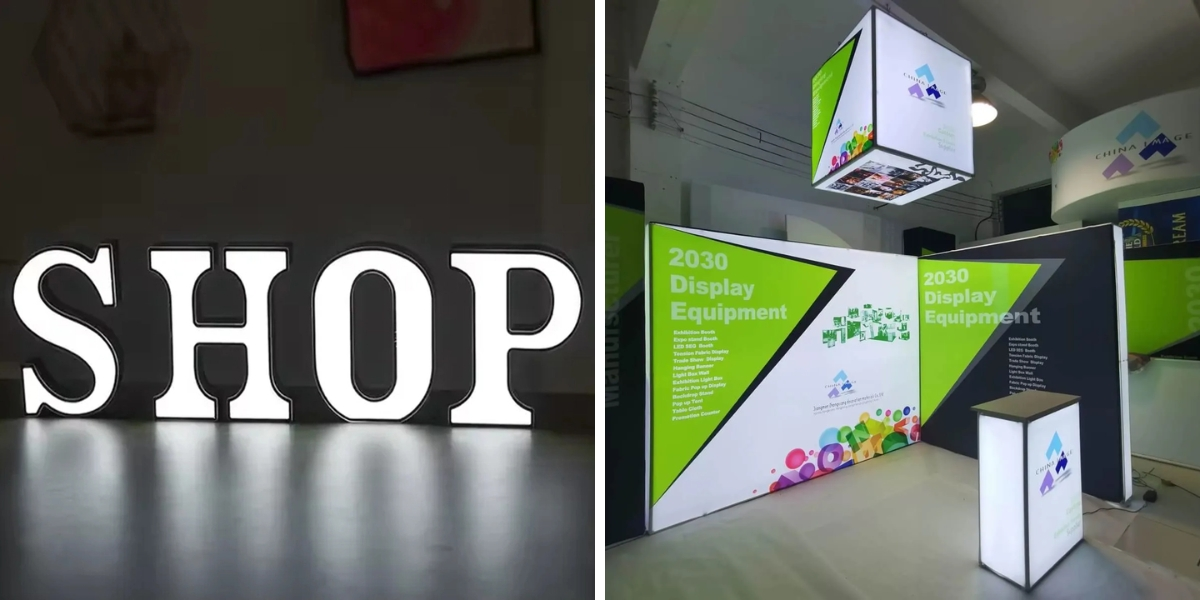
Буквы канала представляют собой отдельные трехмерные буквы с подсветкой, каждая из которых изготовлена и освещена сама по себе, а лайтбокс (или шкаф) представляет собой единую коробку с одной полупрозрачной напечатанной циферблатной, которая светится в целом, и это одно структурное решение, множество небольших светящихся фигур по сравнению с одной большой подсветкой, приводит к почти все последующее различие. Signliteled производит оба канальные буквы и таблички лайтбокса вместе с внутренними светодиодными источниками, которые зажигают их, заводские директ.
Покупатели обычно выбирают между ними по трем осям: видимость (как читается знак днем и ночью), стоимость (предварительно и в течение его срока службы) и брендинг (внешний вид, который вы хотите на фасаде). Краткая версия: буквы канала дают трехмерную глубину и четкую ночной ясность букв, лайтбокс дает меньшую стоимость, самую сложную графику и самую большую равномерно освещенную область.
Ключевые выносы
- Структура: Канал-буквы представляют собой отдельные 3D буквы со своими собственными светодиодами; лайтбокс — это один герметичный шкаф с печатью с подсветкой, выполненный односторонним или двусторонним.
- Основа стоимости: На каждую букву цитируются буквенные буквы, лайтбоксы цитируются на шкаф (за квадратный фут) и обычно стоят дешевле для той же площади.
- Модель ремонта: Буквы канала модульные — обслуживаются одна буква, лайтбокс тоже пригоден для работы — его светодиодные модули или бары могут быть заменены, а поврежденная печатная сторона переформирована в одну панель.
- Где каждый подходит: Буквы канала дают трехмерные, индивидуально освещенные буквы, лайтбоксы несут фотографии, градиенты, длинные текстовые и большие или придорожные панели.
- Гибридный вариант: Многие сети имеют свои названия в виде каналов, а также логотип в лайтбоксе/логике — не всегда нужно выбирать одну из них.
- Один поставщик для обоих: Signliteled (UL, ETL, CE, ROHS Certified) производит светодиодные модули и светодиодные таблички для любого типа, а также готовые знаки.
Что такое буквенные буквы?
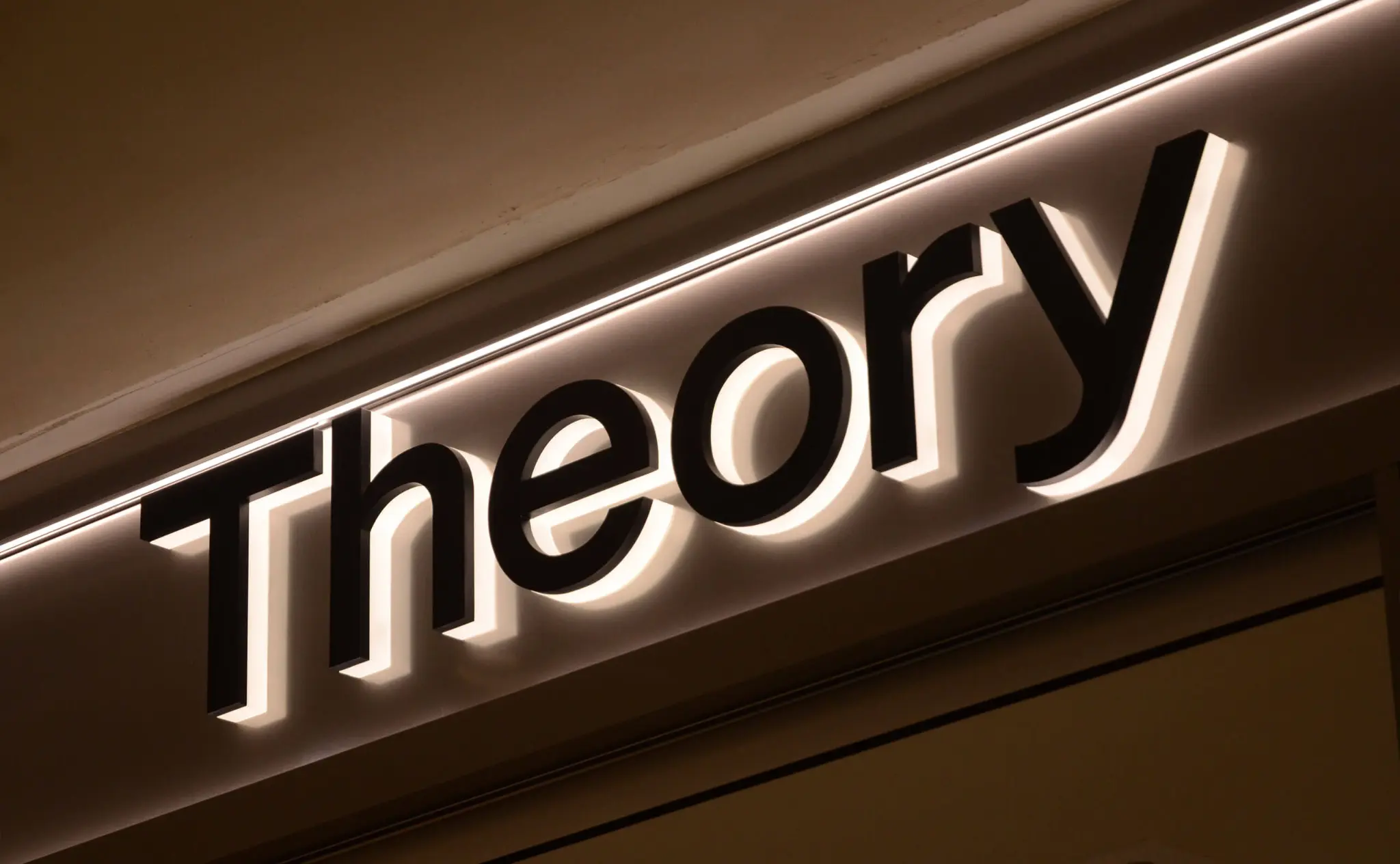
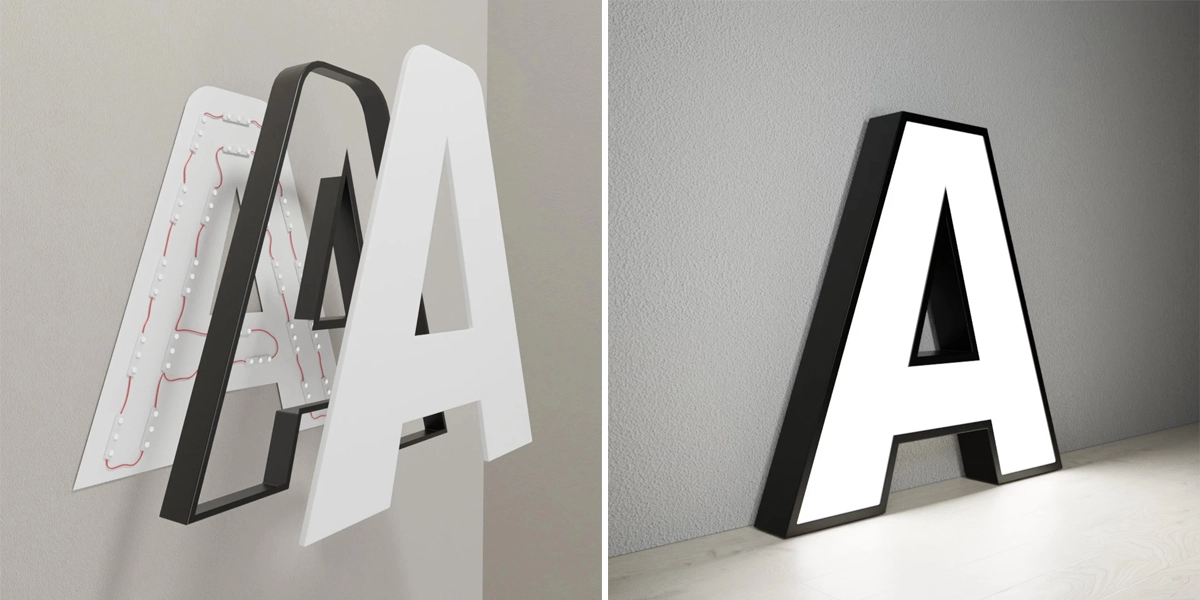
Буквы каналов выполнены в индивидуальном порядке, трехмерные буквы и формы, каждая из которых сформирована в виде неглубокой металлической «может» и освещена изнутри светодиодами. Каждая буква имеет акриловую поверхность, возвратную (боковую стенку банки, обычно алюминиевый) и заднюю часть; светодиоды расположены внутри, так что свет равномерно распределяется по лицу. Высота букв обычно составляет от 100 мм до 2000 мм, с глубиной письма 30–150 мм в зависимости от того, сколько места должно цвести освещение. Полную анатомию см. в руководстве по столбцам какие буквы подсвечиваются.
То, как они зажжены, — это часть определения. На лицевой стороне светятся буквы спереди, светящиеся ореола (обратные) буквы устанавливают светодиоды на спине, чтобы свет омывал стену за буквой и производит плавающий контур, комбинированные буквы делают и то, и другое одновременно. Буквы монтируются тремя способами — на фасаде, на дорожку (горизонтальную коробку, которая несет проводку и уменьшает дырки стен) или на подставке.
Рекомендуется для: Компании, которым нужна трехмерная витрина с четкой читабельностью в ночное время — розничная торговля, гостиничный бизнес, корпоративные и арендаторы в торговых центрах, которым требуется этот тип знака.
Что такое лайтбокс (кабинет) знаки?
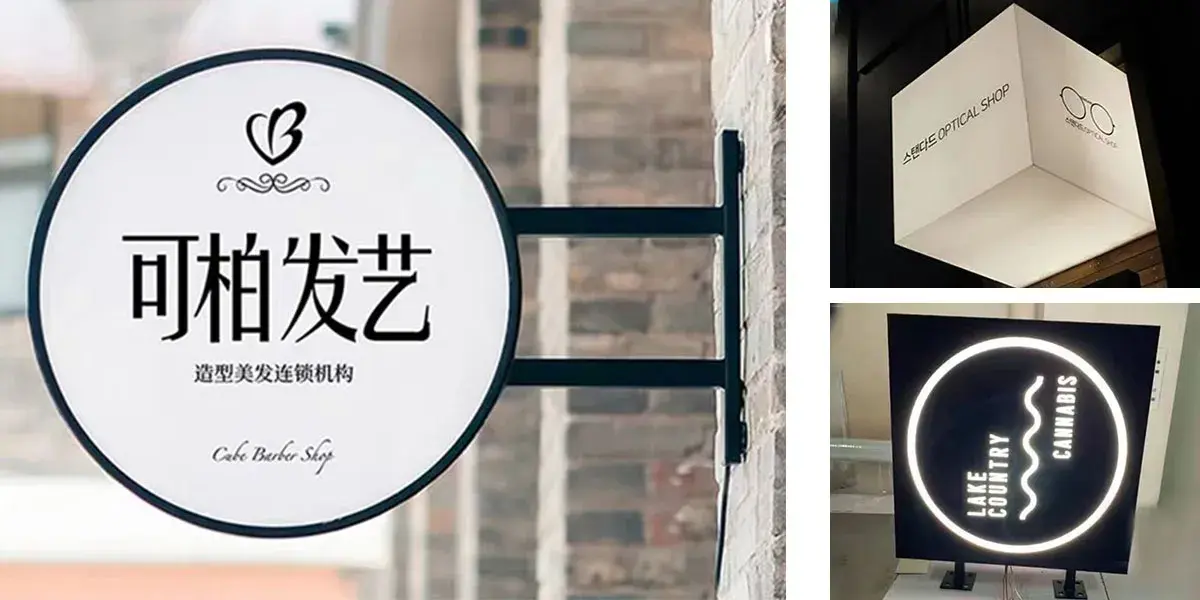
Лайтбокс-вывеска представляет собой единый закрытый алюминиевый шкаф с полупрозрачной акриловой или поликарбонатной поверхностью, который напечатан цифровым или обернутым в нанесенный винил, равномерно освещенный светодиодами, чтобы светло все лицо. Поскольку графика живет на одной непрерывной панели, лайтбокс может нести все, что можно напечатать — полный логотип, фотографию, градиент, слоган, несколько строк текста — и показать это как один яркий блок света. Шкафы бывают односторонними для крепления стен или фасции и двусторонние для опорных и памятников, снятых с двух направлений.
Компромисс, встроенный в эту архитектуру с одной шкафом, состоит в однородности: все лицо должно светиться равномерно без ярких или темных пятен, что является инженерной проблемой размещения светодиодов, а не изготовления букв.
Рекомендуется для: Предприятиям, которым нужна подробная или фотографическая графика, большая освещенная территория, придорожная двусторонняя вывеска или самый быстрый и самый дешевый путь к освещенной витрине.
Преимущества и недостатки каналов Lightbox и лайтбоксов
Каждый тип знака зарабатывает свое место по определенным причинам; сетка критерия по критерию приведена в следующем разделе.
Канал-писем — преимущества
- Трехмерная глубина — каждая буква стоит за фасадом.
- Точный цвет фирменного цвета: цель Pantone встроена в акриловую поверхность, а не аппроксимирована.
- Сильная ночной ясность буквы — каждый персонаж — это собственный источник света.
- Модульная ремонтная ошибка: ошибка изолирована на одну букву, а не на весь знак.
- Длительный срок службы герметичных светодиодов и металлических возвратов.
- Часто типы вывесок арендодатели и торговые центры указывают в критериях арендаторов.
Буквы канала — недостатки
- Более высокая первоначальная стоимость, потому что каждая буква изготовлена и прокладывается индивидуально.
- Более медленная, более сложная установка — каждая буква монтируется отдельно, добавляя проникновение стен.
- Ограничено для мелких деталей, фотографий или длинных блоков текста.
- больше времени, чем один шкаф.
Лайтбокс-знам — преимущества
- Более низкая стоимость — один шкаф означает наименьшую стоимость квадратного метра освещенной площади.
- Полно-графическая грань: фотографии, градиенты, сложные логотипы и слоганы — все печатаются напрямую.
- Большая, равномерно освещенная область в одной панели.
- Быстрая установка как один автономный блок.
- Доступен двусторонний для размещения столба и памятника.
Лайтбокс-знамения — недостатки
- Плоская, двумерная грань, а не поднятые отдельные буквы.
- Однопанельная поверхность: светодиодные модули или стержни внутри могут быть заменены, если они выйдут из строя, но треснутая или пожелтевшая печатная сторона переформирована как одна панель, а не разделы.
- Более высокое потребление энергии, так как все лицо освещено, а не просто мазки буквы.
- Акриловые грани могут желтеть в течение многих лет воздействия ультрафиолета, если используется более низкое торжество.
Буквы канала и знаки лайтбокса: ключевое отличие
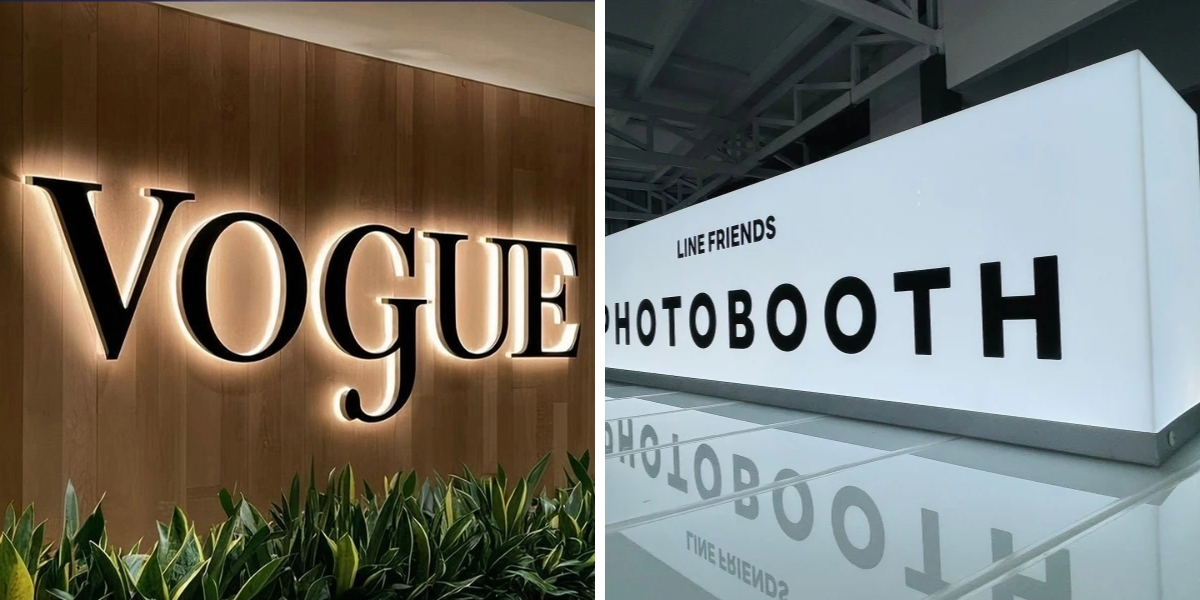
Бок о бок эти два типа расходятся почти по каждому практическиму критерию, проверяющим спецификатор. Эта сетка является ссылкой на лицо; читайте ее как «то же работа, два инженерных ответа».
| критерий | канальные буквы | Лайтбокс (кабинет) |
| Структура и внешний вид | отдельные 3D буквы, каждая из которых может | Один закрытый шкаф с печатной гранью (одно- или двухсторонней) |
| стиль освещения | Каждая буква загорается внутренне — передняя, ореол или оба | Все лицо равномерно подсвечивается изнутри |
| Возможность графического и логотипа | буквы и простые формы; мелкие детали и фотографии ограничены | Любая печатная графика — фото, градиенты, слоганы, сложные логотипы |
| визуальный стиль | Трехмерные, индивидуально освещенные буквы | Плоская, равномерно освещенная панель с полноцветной графикой |
| Видимость и читабельность | Яркая, четкая ясность в ночное время | Большая яркая панель, сильный дневной цветной блок |
| освещенная область | светятся только буквы | Все лицо светится |
| Форма и настройка | Формы, глубины и отделки для каждой буквы | Форма шкафа (прямоугольник, круглая, индивидуальная); одна грань |
| Основа стоимости | Цена за письмо | Цена за шкаф / за квадратный фут (обычно ниже за фут²) |
| Установка | каждая буква смонтирована отдельно; больше проходов | один блок; меньше проникновений; быстрее |
| Ремонт/обслуживание | Модульный — сервис одной буквы или ее светодиодов | Светодиодные модули/стержни заменены; печатная грань переделана в одну панель |
| Срок службы (светодиоды) | ~50 000 часов (L70) | ~50 000 часов (L70) |
| энергопотребление | нижние — горят только гребки | Выше — полное лицо освещено |
| один или односторонний | Обычно односторонний, настенный | Односторонний (стеночный) или двухсторонний (пилон/памятник) |
Шаблон непротиворечивый: буквы канала имеют более высокую стоимость и более медленную установку, с трехмерной глубиной, обслуживанием на букву и более низкой мощностью. Лайтбоксы имеют плоскую однопанельную грань с более низкой ценой, полную графику и более быструю установку в одиночном блоке. Ни то, ни другое не лучше — правильный выбор зависит от того, какие компромиссы соответствуют бренду и бюджету.
Видимость и читаемость: день, ночь, расстояние и угол
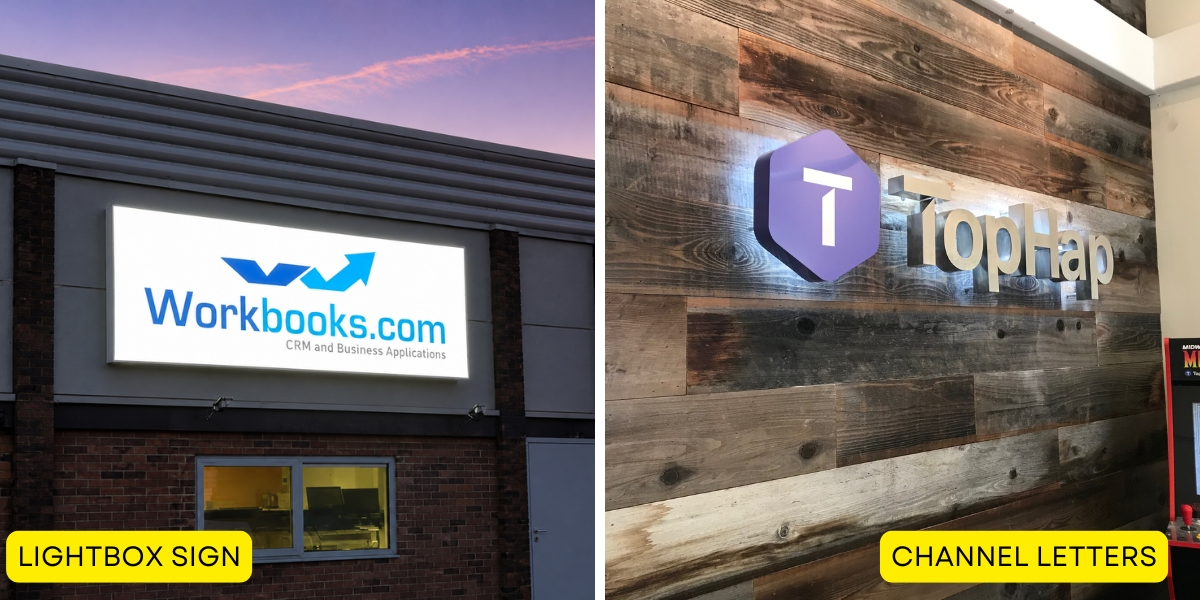
Как на самом деле читается знак на улице, является его собственным фактором решения, отдельно от стоимости или строительства.
канальные буквы Имейте физическую глубину, поэтому дневной свет отбрасывает тени, которые сохраняют их читаемыми, даже когда освещение выключено. Ночами буквы спереди дают резкую четкость букв за буквой, а буквы с ореолом выбрасывают плавающее свечение, которое остается читаемым издалека и косыми углами тротуаров.
Лайтбокс-знам Светлая одна широкая, ровная панель, которая подходит к яркой, полноцветной графике, фотографиям и логотипам, а рассеянное свечение может прорезать туман или дождь. Компромиссы: большое лицо может блики или показывать горячие точки при просмотре вне центра, а очень яркая панель может выглядеть размытой вблизи.
Быстрое чтение: Для остроты букв и дневного измерений, длинных букв, для яркого блока цвета и тяжелых сообщений с дороги, прочитанной с дороги, лайтбокса.
Что внутри: как каждый горит (разница в светодиодных технологиях)
Самая глубокая разница между двумя типами знаков оптическая, и большинство сравнений пропускают его: зажигание нескольких узких букв — это проблема, отличающаяся от равномерного освещения одной большой плоской панели, поэтому светодиодная фурнитура действительно отличается. Signliteled производит оба семейства источника — см. Светодиодные модули и Светодиодная подсветка вывесок — и выбор источника — это то, что заставляет любой знак выглядеть чистым, а не пятнистым.
канальные буквы Они освещаются передними светодиодными модулями в разнесенной сетке за акриловой поверхностью. Белая рабочая лошадка — это чип SMD2835, SMD5050 ручки цвета RGB. Эти модули с передней подсветкой используют широкий луч примерно 160°, поэтому свет каждого модуля перекрывается соседями и заполняет банку без темных промежутков. Для сценария, маленьких букв и жестких кривых, где не подходят жесткие модули, производители переключаются на гибкие полосы S-типа 6 мм, которые изгибаются вокруг радиуса. Буквы Halo перемещают те же модули или полосы на обратную сторону буквы, нацеленные на стену — подробнее о соответствии источника ширине хода в Какое светодиодное освещение используется внутри подсвечиваемых вывесок.
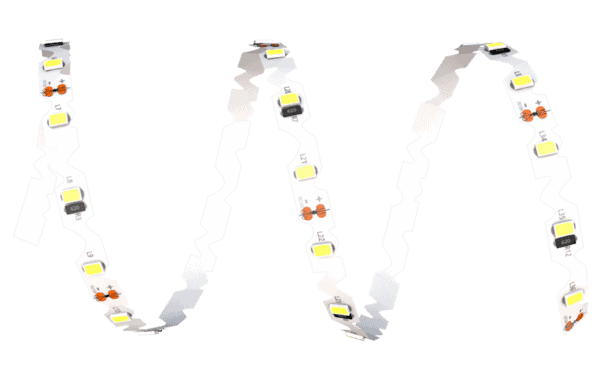
SMD2835 60LEDS 6 мм S-образный белый светодиодный светильник
- Тип светодиода: SMD2835
- Плотность светодиодов: 60 светодиодов/м
- Ширина печатной платы: 6 мм
- Дизайн полосы: S-образная гибкая печатная плата
- Цвет: белый
- Световая эффективность: 220 лм/Вт
- Входное напряжение: 12В/24В постоянного тока
- CRI (индекс цветопередачи): RA ≥ 80
- Угол луча: 120°
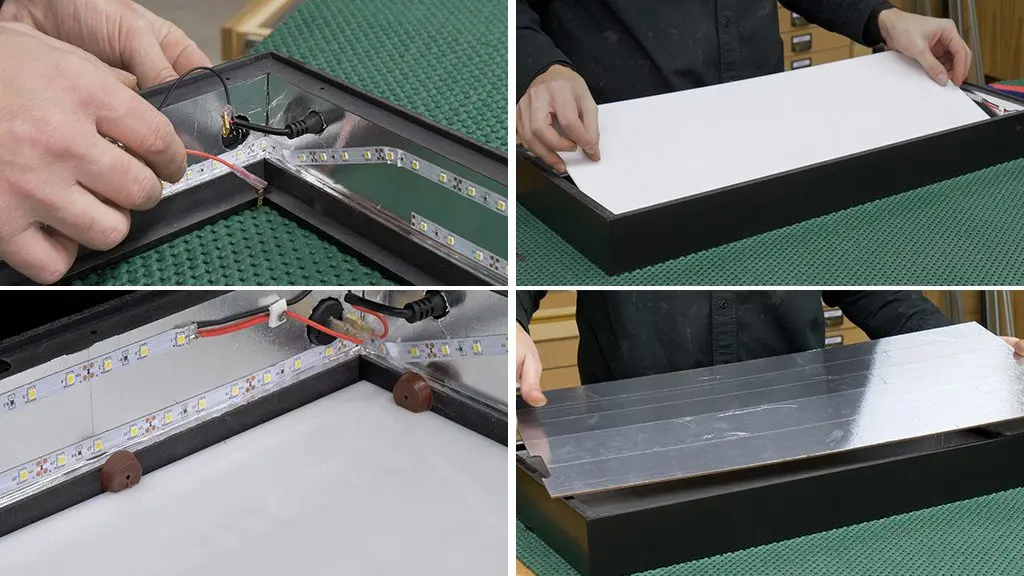
Лайтбокс-знам Столкновение с более сложной оптической работой: все лицо должно светиться равномерно. Два светодиодных источника покрывают большинство шкафов. Стандартные и глубокие шкафы Модули с подсветкой SMD2835 Широкий (~160°) луч, расположенный на глубине шкафа, так что свет каждого модуля перекрывается в следующем. Крайние, двухсторонние и рекламные шкафы используют SMD3030 (и SMD2835) жесткие светодиодные световые стержни Установлены вдоль рамы, с узкой оптикой бокового броска, например 15×45° или 10×25°, которая проталкивает свет через одну или обе грани. Чем мельче коробка, тем тщалее расстояние между стержнем и углом луча, чтобы избежать ярких точек через лицо.
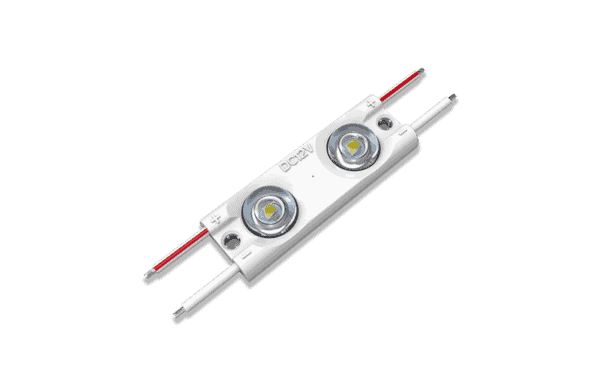
Свет модуля СИД одиночного цвета 2LED DC12V
- Открытая конструкция печатной платы для хорошего теплоотвода
- Сбой в условиях низкой освещенности для более длительного срока службы
- 9 В чипы высокой мощности светодиодные чипы для более яркой производительности и более высокой эффективности
- Конструкция постоянного тока для меньшего падения напряжения
- Подключить больше на цепочку
- 160° объектив для ровного освещения
- Подходит для тонких знаков
Общие инженерные основы Применить к обоим:
- Напряжение: Низковольтное напряжение 12 В или 24 В пост.
- Защита от входа: IP65 для общего использования на открытом воздухе; IP67 для мокрого или прибрежного участка.
- Водители: Постоянные или постоянного напряжения питания, нагруженные не более 80% номинальной мощности для тепловых блоков — блоки с номинальной мощностью IP67 (например, серия Mean Well XLG) для наружных коробок. полагаться Светодиодные источники питания.
- Цветовая консистенция: Чипы, привязанные к 3-ступенчатому допуску Макадама, поэтому соседние модули читаются как те же белые.
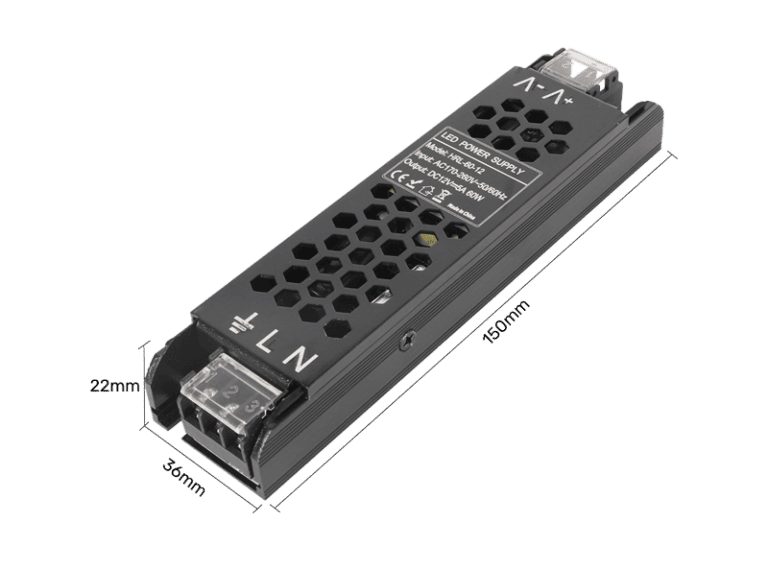
12V ультра тонкий драйвер для светодиодной ленты света
- Входное напряжение: AC110-260V
- Диапазон частот: 47-63 Гц
- Коэффициент мощности: 0,5-0,6
- Эффективность: >80%
- Номинальная мощность: 60 Вт
- Выходное напряжение: DC12V
- Номинальный ток: 5А
- Рейтинг IP: IP20
- Гарантия: 3 года
- Размер: L150 × W36 × H22 мм
Светодиодный источник по типу знака
Источники света с буквой канала
| стихия | Типичный светодиодный источник | Почему этот источник |
| буквы спереди | SMD2835 Белые модули (луч ~ 160°); SMD5050 для RGB | Широкий луч перекрывается и заполняет банку, проталкивая даже свет через лицо |
| скрипт, маленькие или изогнутые буквы | 6 мм гибкие ленты типа S | Сгибается в узкие радиусы и узкие штрихи, где не помещаются жесткие модули |
| Halo / буквы с обратной подсветкой | Задние модули или ленты | Нацелился на стену, чтобы бросить мягкий контурный свет за буквой |
Лайтбокс (кабинет) источники света
| стихия | Типичный светодиодный источник | Почему этот источник |
| Стандартные / глубокие шкафы | Модули с подсветкой SMD2835 (~160°) | Разнесенная сетка заливает всю грань, убирая горячие точки на большой панели |
| Крайние, двухсторонние и рекламные шкафы | SMD3030/SMD2835 Жесткие светодиодные световые стержни (15×45°, 10×25° оптика) | Боковые метки вдоль рамы световой, односторонние или обе грани равномерно |
Сравнение стоимости
Эти два знака цитируются на разных базах — буквы канала на письмо, лайтбокс на шкаф — поэтому приведенные ниже таблицы помещают каждый тип на типовую основу для сопоставления со знаком американского рынка. Signliteled поставляет как Factory-Direct, которая ниже этих цифровых показателей рынка (вы пропускаете местную продукцию и розничную наценку) — отправьте размеры для точной стоимости.
Знаки канала
| Объем знака | Типичная законченная стоимость |
| Небольшой магазин (несколько коротких писем) | $2,000–$4000 |
| Набор среднего размера | $3,000–$7000 |
| Большой или очень индивидуальный набор | $4,000–$10,000+ |
Сами по фабричному прямому от Sigleteled сами буквы работают примерно $40–$80 каждый при 8″ до $350–$800+ при 36″, экс-работает. Масштабы стоимости канала с количеством букв и высотой букв, сложностью букв ("W" или "&" стоит больше, чем «i»), возвратный материал (алюминий против нержавеющей стали), качество лица, количество светодиодов и класс, рейтинг IP и монтаж (рейсовый путь или смыв).
Лайтбокс / кабинетные знаки
| тип кабинета | Типичная законченная стоимость |
| Маленький / готовый | несколько сотен–$1500 |
| Односторонняя витрина | $1,500–$3500 |
| Двухсторонний (пилон / памятник) | $1,800–$6,500 |
| Большая / вакуумная форма лица | до ~$8000 |
Стоимость лайтбокса зависит от размера шкафа, одно- или двухсторонней формы (прямоугольники и патроны стоят меньше, чем индивидуальные кривые), фасадный материал (акрил или поликарбонат) и графическая сложность — стоит больше, чем цветной блок-блок.
В отрасли буквы каналов обычно имеют несколько более высокую стоимость, чем сопоставимый лайтбокс, потому что каждая буква изготовлена индивидуально, освещена и проволока, в то время как лайтбокс представляет собой один шкаф с одной гранью. Для сопоставимых средних знаков они могут приземляться довольно близко, а сложные буквы увеличивают разрыв. Цифры отражают различную конструкцию, не то чтобы один знак стоит больше — правильный выбор зависит от бюджета наряду с вышеописанными визуальными и функциональными факторами.
Для точного заводского ценообразования на любой тип отправьте свои размеры, тип знака и количество для предложения.
Разница в установке
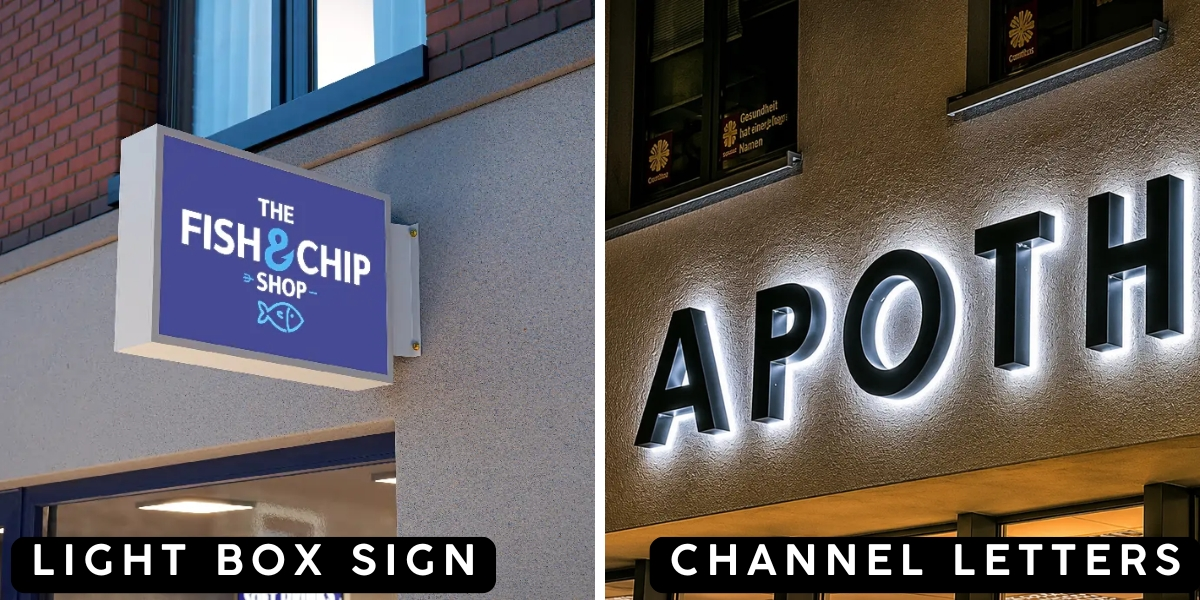
Усилие по установке следует непосредственно из конструкции. Канальные буквы монтируются буквами буквами — заподлицо к стене, на дорожке или на спонсоре — поэтому каждый символ означает свои собственные метки, крепежные элементы и проходы стены, а также проводку, чтобы связать их вместе. Это делает установку более медленной и трудоемкой, поэтому дорожку часто устанавливают на арендованных стенах: она объединяет проводку в одну монтажную коробку и сводит к минимуму дыры, которые должен одобрить арендодатель. Варианты монтажа и то, что поставить на спецификацию, описаны в руководстве по Выбор и указание буквенных знаков.
Лайтбокс устанавливается как одно устройство с меньшим проникновением стен и более быстрым процессом — он крепится к стене или фасции или сидит на столбе или базе памятника.
Инженерная заметка: Для любого типа водитель находится в проветриваемом, обслуживаемом месте, с планируемыми для поставки. Электрические знаки в Северной Америке регулируются UL 48 (Стандарт безопасности электрических знаков) и NEC ст. 600 (установка электрических знаков и контур освещения); отметьте, что использование компонентов, внесенных в список UL, само по себе не делает законченный знак UL, и модификация знака в поле может аннулировать его список — поэтому подтвердите, что требуется вашему муниципалитету до изготовления. Местные коды различаются — некоторые муниципалитеты также ограничивают освещение гало (обратной освещенности) или яркость знака шапки — поэтому проверьте зонирование и ограничения энергокода, прежде чем проектировать.
Прочность, ремонт и обслуживание
Обслуживание работает по-разному для каждого типа. Буквы канала модульные: если светодиоды одной буквы не работают, то одна буква (или ее модульная строка) обслуживается или заменяется, а остальные остаются нетронутыми. Алюминий и нержавеющая с остатком нержавеющая смена сопротивляется погоде — нержавеющая сталь 304 стандартная, 316 выбрана для прибрежной соли.
Лайтбокс обслуживается как шкаф. Внутренние светодиодные модули или жесткие стержни могут быть открыты и заменены, если они выходят из строя, но печатная поверхность представляет собой одну панель — если она трескается или желтеет, она перекрашивается как целое, а не по секциям. Качественная, устойчивая к УФ-уФ-устойчивому лицу это защищает от лица.
Климат и структура формируют выбор. Буквы каналов имеют низкий профиль ветровой нагрузки, а их открытая конструкция позволяет сливать воду, что помогает им соответствовать кодексу в районах, подверженных ураганам. Лайтбокс представляет собой одно большое лицо, поэтому сильная жара может преклоняться перед ней, сильные снеговые нагрузки требуют усиленного обрамления, а прибрежные или влажные участки нуждаются в вентиляции и дренаже шкафа для предотвращения конденсата; при резком солнце пустыни может потребоваться освежение каждые три-пять лет.
На сроке службы оба типа используют светодиоды, рассчитанные на 50 000 часов, и эта цифра L70, что означает, что яркость померкла до 70% оригинала, а не то, что знак потемнел. Signliteled сертифицирован UL, ETL, CE и RoHS и поддерживает свои знаки и светодиодные компоненты с гарантией 3–7 лет.
Какой из них подходит для вашего бизнеса?
Сопоставьте знак с работой. Два контрольных списка и приведенная ниже таблица сценариев превращают сравнение в решение.
Выбирайте буквы канала, если…
- Вам нужен трехмерный фасад с поднятыми, индивидуально освещенными буквами.
- Ночная острота письма имеет большее значение, чем большой блок света.
- Вам нужен точный спичкан Pantone, встроенный в лицо.
- Арендодатель или торговый центр требуют писем-каналы в критериях знака арендатора.
- Вы инвестируете в долгосрочный брендинговый актив и хотите изолированный недорогой ремонт.
Выбирайте лайтбокс-знам, если…
- Бюджет ограничен, и вам нужна самая низкая стоимость для освещенной зоны.
- Логотип включает в себя фотографию, градиент, мелкие детали или длинный слоган.
- Вам нужна большая подсветка панели или придорожная вывеска, считанная с расстояния.
- Вывеска стоит на столбе или памятнике и должна быть двусторонней.
- Вам нужна самая быстрая установка на один блок.
Рекомендуемый знак по сценарию
| положение | Рекомендуемый тип |
| Национальный торговый бренд или торговый центр в торговом центре | канальные буквы |
| Жесткий бюджет первого знака | лайтбокс |
| Логотип с фотографией, градиентом или мелкими деталями | лайтбокс |
| Длинный слоган или многострочное сообщение | лайтбокс |
| придорожный пилон или памятник с обеих сторон | Двусторонний лайтбокс |
| Гостеприимство или флагманский фасад | канальные буквы |
| Арендодатель ограничивает проникновение стен | Буквы каналов на дорожке или один лайтбокс |
| Название компании плюс отдельная маркировка логотипа | Гибрид: буквы канала + коробка с логотипом |
Можно ли совместить оба? Да — общий гибрид использует название компании в каналах для измерений, в паре с логотипом в маленьком ящике с логотипом, который обрабатывает подробную отметку, которую нельзя использовать в одной букве. Это стандарт для цепей: название отображается как приподнятые размерные буквы, а в поле с логотипом не могут быть буквы цвета и формы, и это имеет смысл, когда ваша личность является словесной меткой плюс значок, а не только текст.
Отправьте свой логотип, размер знака, местоположение, а также Signleteled порекомендуют правильный вариант и укажите его с завода, с производством OEM/ODM и поставки по всему миру.
Заключение
Решение сводится к компромиссу, а не победитель: буквы канала дают вам трехмерную витрину с обслуживанием на букву и более низкой стоимостью работы при более высокой стоимости; лайтбокс дает вам полную графическую возможность, большую равномерно освещенную панель и более быструю и более дешевую установку с плоской поверхностью. Для многих предприятий ответ: и то, и другое — буквы для имени, поле с логотипом для метки. Производитель, сертифицированный UL-, ETL, CE и RoHS с 2011 года, производит светодиодные компоненты и полные индивидуальные знаки для любого подхода, напрямую с OEM/ODM; Светодиодная страница с подсветкой за цитату.
ЧАСТО ЗАДАВАЕМЫЕ ВОПРОСЫ
Похожие посты