Nederlands
  English
  简体中文
简体中文  Deutsch
  Español
  Français
  Italiano
  日本語
日本語  한국어
한국어  Polski
  Português
  Русский
  Türkçe
  Tiếng Việt
  ไทย
ไทย 
Kanaalletters zijn individuele driedimensionale verlichte letters, elk gefabriceerd en op zichzelf verlicht, terwijl een lichtbak (of kast) een enkel omsloten doos is met één doorschijnend bedrukt gezicht dat als geheel gloeit - en dat ene structurele beslissing, veel kleine verlichte vormen versus een enkel groot verlicht paneel, drijft bijna elk verschil dat volgt. Signlitetled produceert beide kanaalletters en lightbox-kastjes, samen met de interne LED-bronnen die ze verlichten, in de fabriek direct.
Kopers kiezen meestal tussen de twee op drie assen: zichtbaarheid (hoe het bord dag en nacht leest), kosten (vooraf en over zijn levensduur) en branding (de look die je wilt op de gevel). De korte versie: Kanaalletters geven driedimensionale diepte en scherpe nachtelijke letterhelderheid; een lightbox geeft lagere kosten, de meest complexe afbeeldingen en het grootste gelijkmatig verlichte gebied.
Belangrijkste afhaalmaaltijden
- Structuur: Kanaalletters zijn afzonderlijke 3D-letters met hun eigen LED's; een lichtbak is een afgedichte kast met een verlichte bedrukte face, enkel- of dubbelzijdig gemaakt.
- Kostenbasis: Kanaalletters worden per brief geciteerd; lichtbakken worden per kabinet (per vierkante voet) geciteerd en kosten meestal minder voor dezelfde voetafdruk.
- Reparatiemodel: Kanaalletters zijn modulair - service één letter; een lichtbak is ook bruikbaar - de LED-modules of staven kunnen worden vervangen en een beschadigd bedrukt gezicht wordt opnieuw als één paneel voorzien.
- Waar elk past: Kanaalletters geven driedimensionale, individueel verlichte letters; lichtbakken dragen foto's, hellingen, lange tekst en grote of bermende panelen.
- Hybride optie: Veel kettingen geven hun naam in kanaalletters plus een logo in een lichtbak/logobox - je hoeft er niet altijd een te kiezen.
- Eén leverancier voor beide: Signlitetled (UL, ETL, CE, ROHS Certified) produceert de LED-modules en LED-bordverlichting voor beide types, en de voltooide borden ook.
Wat zijn kanaalletters?
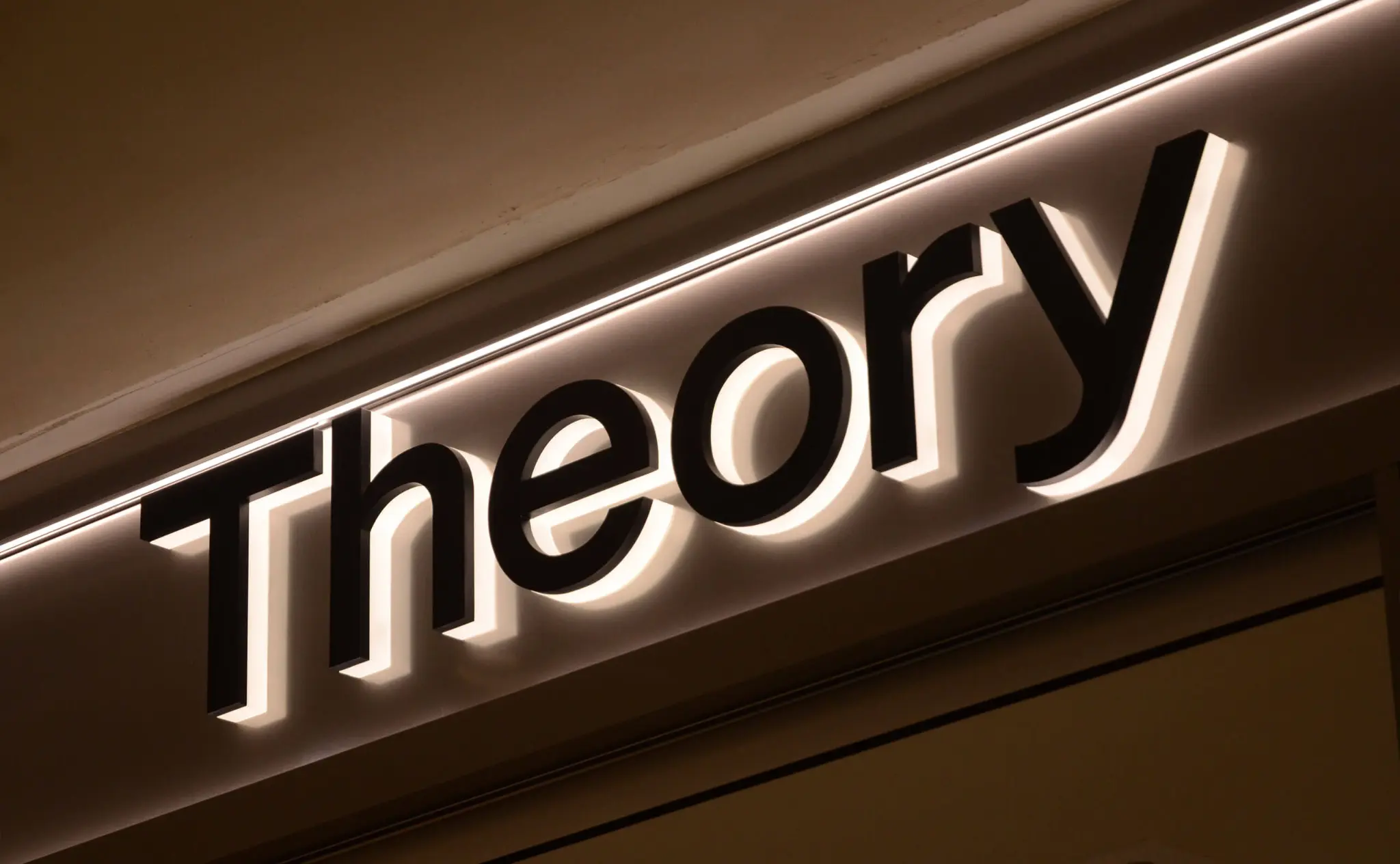
Kanaalletters zijn individueel gefabriceerd, driedimensionale letters en vormen, elk gevormd als zijn eigen ondiepe metalen "can" en van binnenuit verlicht door LED's. Elke letter heeft een acrylvlak, een terugkeer (de zijwand van het blik, meestal aluminium), en een rug; de LED's zitten binnen, zo licht dat het licht zich gelijkmatig over het gezicht verspreidt. Letterhoogtes lopen gewoonlijk van 100 mm tot 2000 mm, met letterdiepten van 30-150 mm, afhankelijk van hoeveel ruimte de verlichting moet bloeien. Voor de volledige anatomie, zie de pijlergids op Wat zijn verlichte kanaalletters.
Hoe ze worden verlicht, maakt deel uit van de definitie. Front-lit letters gloeien door het gezicht; halo-verlichte (omgekeerde) letters monteren de LED's op de achterkant, zodat het licht de muur achter de letter wast en een zwevende omtrek produceert; combinatieletters doen beide tegelijk. Letters worden op drie manieren gemonteerd: spoelen met de gevel, op een loopbaan (een horizontale doos die de bedrading draagt en muurgaten vermindert), of op een backer-paneel.
Aanbevolen voor: Bedrijven die 's nachts een driedimensionale etalage willen met scherpe leesbaarheid van letter-voor-letters - detailhandel, horeca, bedrijven en huurders in winkelcentra die dit bordtype vereisen.
Wat zijn lightbox (kabinet) borden?
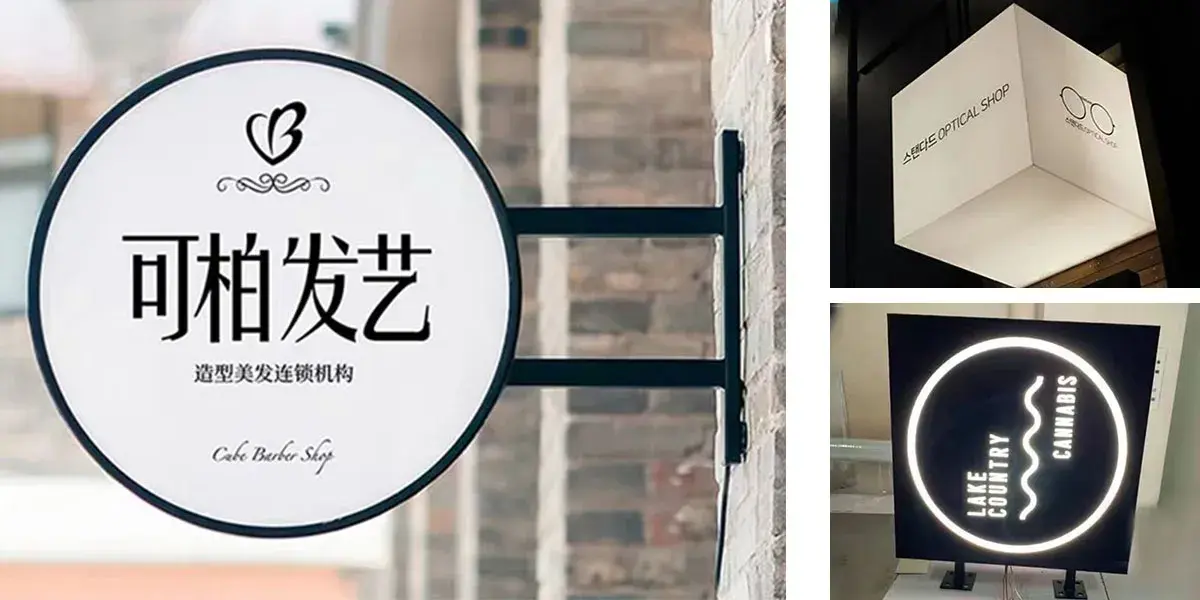
Een lichtbakteken is een enkele gesloten aluminium kast met een doorschijnend acryl- of polycarbonaatgezicht dat digitaal is bedrukt of gewikkeld in aangebracht vinyl, gelijkmatig van binnenuit verlicht door LED's zodat het hele gezicht gloeit. Omdat de afbeelding op één doorlopend paneel leeft, kan een lichtbak alles dragen dat kan worden afgedrukt - een volledig logo, een foto, een verloop, een slogan, meerdere regels tekst - en het laten zien als een helder lichtblok. Kasten zijn enkelzijdig voor montage aan de muur of fascia en dubbelzijdig voor pyloon- en monumentenstructuren die uit twee richtingen worden gelezen.
De afweging die in die architectuur met één kast is ingebouwd, is uniformiteit: het hele gezicht moet gelijkmatig oplichten zonder heldere of donkere vlekken, wat een technisch probleem is van LED-plaatsing in plaats van letterfabricage.
Aanbevolen voor: Bedrijven die een gedetailleerde of fotografische afbeelding nodig hebben, een groot verlicht gebied, een dubbelzijdig bord langs de weg of het snelste, goedkoopste pad naar een verlichte winkelpui.
Voordelen & nadelen van kanaalletters en lightbox-borden
Elk type teken verdient zijn plaats om specifieke redenen; het criterium-per-criteriumraster komt in de volgende sectie.
Kanaalletters - Voordelen
- Driedimensionale diepte - elke letter staat van de gevel.
- Exacte merkkleur match: het Pantone-doel is ingebouwd in het acrylvlak, niet benaderd.
- Sterke helderheid van de nachtelijke letters - elk personage is zijn eigen lichtbron.
- Modulaire reparatie: een fout is geïsoleerd tot één letter, niet het hele teken.
- Lange levensduur van verzegelde LED's en metalen retouren.
- Vaak specificeren verhuurders en winkelcentra van het tekentype in huurderscriteria.
Kanaalletters - Nadelen
- Hogere initiële kosten, omdat elke letter afzonderlijk is gefabriceerd en bedraad.
- Langzamer, complexere installatie - elke letter is afzonderlijk gemonteerd, waardoor muurdoorvoeringen worden toegevoegd.
- Beperkt voor fijne details, foto's of lange blokken tekst.
- langere doorlooptijd dan een enkele kast.
Lichtbakborden — Voordelen
- Lagere kosten - Eén kast betekent de laagste kosten per vierkante voet verlichte oppervlakte.
- Volledig grafisch gezicht: foto's, gradiënten, complexe logo's en slogans printen allemaal direct.
- Groot, gelijkmatig verlicht gebied in een enkel paneel.
- Snel installeren als één op zichzelf staande eenheid.
- Verkrijgbaar dubbelzijdig voor paal- en monumentale plaatsingen.
Lichtbakborden - Nadelen
- plat, tweedimensionaal gezicht in plaats van verhoogde individuele letters.
- Eenzijdig gezicht: de LED-modules of staven aan de binnenkant kunnen worden vervangen als ze falen, maar een gebarsten of vergeeld bedrukt gezicht wordt omgekeerd als één paneel in plaats van in secties.
- Hoger energieverbruik, omdat het hele gezicht wordt verlicht in plaats van alleen letterslagen.
- Acrylgezichten kunnen geel worden na jarenlange blootstelling aan UV-straling als een lager grade gezicht wordt gebruikt.
Kanaalletters versus lightbox-borden: belangrijk verschil
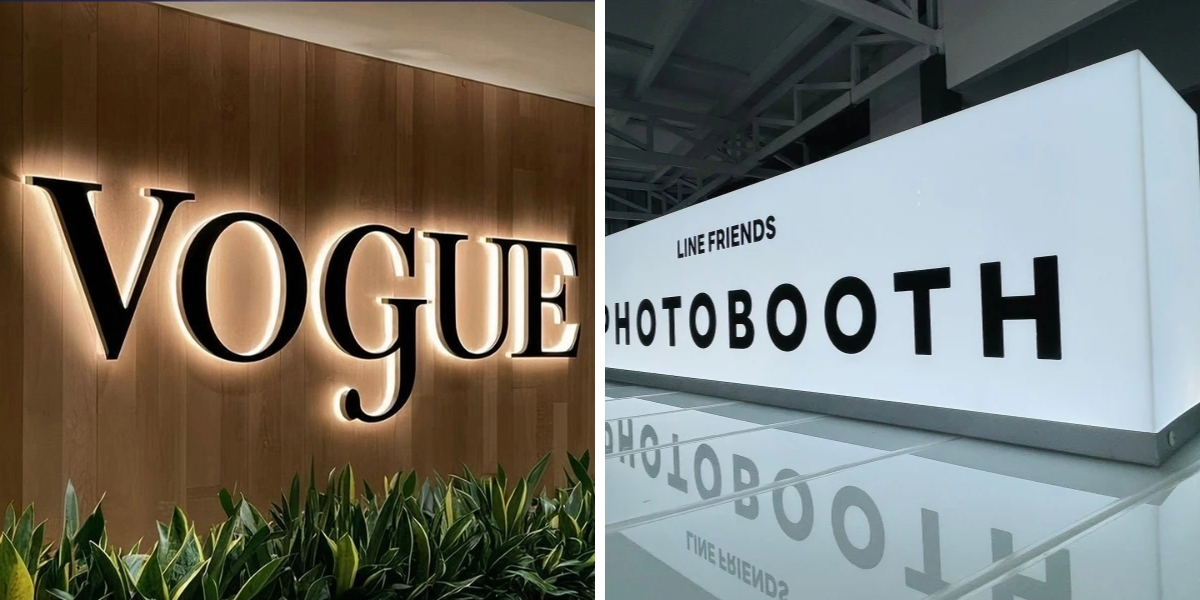
Naast elkaar verschillen de twee typen op bijna elk praktisch criterium dat een specificatiecontroleur controleert. Dit raster is de head-to-head referentie; lees het als "dezelfde baan, twee technische antwoorden."
| maatstaf | kanaalletters | Lichtbak (kabinet) borden |
| Structuur & Uiterlijk | individuele 3D-letters, elk zijn eigen kan | Eén gesloten kast met een bedrukt gezicht (enkel- of dubbelzijdig) |
| Lichtstijl | Elke letter inwendig verlicht - voor, halo of beide | Hele gezicht gelijkmatig verlicht van binnen |
| Grafische en logo-mogelijkheden | Letters en eenvoudige vormen; fijne details en foto's zijn beperkt | Elke gedrukte afbeelding — Foto's, gradiënten, slogans, complexe logo's |
| visuele stijl | Driedimensionale, individueel verlichte letters | Plat, gelijkmatig verlicht paneel met full-colour graphics |
| Zichtbaarheid & leesbaarheid | Scherpe, letter-voor-letter helderheid 's nachts | Groot helder paneel; sterk kleurblok overdag |
| Verlicht gebied | Alleen de letterstreken gloeiden | Het hele gezicht gloeit |
| Vorm & maatwerk | Per-letter vormen, diepten en afwerkingen | Kastvorm (rechthoek, rond, op maat); één gezicht |
| kosten basis | geprijsd per brief | Geprijsd per kast / per sq ft (meestal lager per ft²) |
| Installatie | Elke letter afzonderlijk gemonteerd; meer penetraties | enkele eenheid; minder penetraties; sneller |
| Reparatie/onderhoud | Modulair — Service één letter of de LED's | LED-modules/balken vervangbaar; bedrukt gezicht omgekeerd als één paneel |
| Levensduur (LED's) | ~50.000 uur (L70) | ~50.000 uur (L70) |
| energieverbruik | Lager - alleen slagen zijn verlicht | hoger - het volledige gezicht is verlicht |
| Enkel versus dubbelzijdig | Typisch enkelzijdig, aan de muur gemonteerde | Enkelzijdig (wand) of dubbelzijdig (pylon/monument) |
Het patroon is consistent: kanaalletters dragen hogere kosten en een langzamere installatie, met driedimensionale diepte, onderhoud per letter en een lager loopvermogen. Lichtbakken hebben een plat vlak met één paneel, met een lagere prijs, volledige grafische mogelijkheden en een snellere installatie van één eenheid. Geen van beide is inherent beter - de juiste keuze hangt af van welke afwegingen overeenkomen met het merk en het budget.
Zichtbaarheid & leesbaarheid: dag, nacht, afstand & hoek
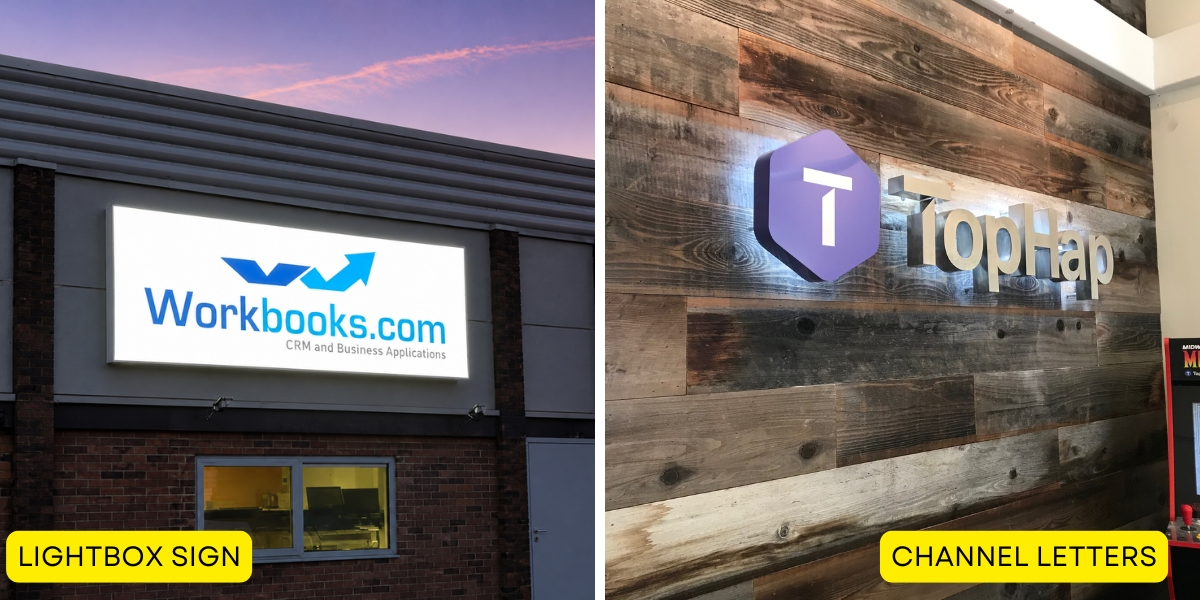
Hoe een bord eigenlijk op straat leest, is zijn eigen beslissingsfactor, los van kosten of constructie.
kanaalletters Hebben fysieke diepte, dus daglicht werpt schaduwen die ze leesbaar houden, zelfs als de verlichting uit is. 'S Nachts geven letters aan de voorkant scherpe, letter-voor-letter helderheid, terwijl halo-verlichte letters een zwevende gloed werpen die van een afstand leesbaar blijft en vanaf schuine trottoirhoeken.
Lichtbak tekens Steek een breed, gelijkmatig paneel aan dat past bij heldere, full-colour afbeeldingen, foto's en logo's, en de diffuse gloed kan door mist of regen snijden. De afwegingen: een groot gezicht kan schitteren of hotspots laten zien als ze buiten het midden worden bekeken, en een heel helder paneel kan er van dichtbij vervagen.
Snelle LEZEN: Voor letterscherpte en dimensionale aanwezigheid overdag, kanaalletters; voor een helder kleurblok en beeldzware berichten gelezen vanaf de weg, een lichtbak.
Wat zit erin: hoe elk wordt verlicht (het verschil in LED-technologie)
Het diepste verschil tussen de twee tekentypes is optisch, en de meeste vergelijkingen slaan het over: het aansteken van een handvol smalle letterslagen is een ander probleem dan het gelijkmatig aansteken van één groot flatpanel, dus de LED-hardware is echt anders. Signlitetled produceert beide families van bron — zie LED-modules En LED-bordverlichting - en de keuze van de bron is wat ervoor zorgt dat elk teken er schoon uitziet in plaats van fragmentarisch.
kanaalletters worden verlicht door LED-modules aan de voorkant in een op afstand rooster achter het acrylvlak. Het witte werkpaard is de SMD2835-chip; SMD5050-handgrepen RGB-kleur. Deze modules met voorlicht gebruiken een brede bundel van ongeveer 160 °, dus het licht van elke module overlapt het blik van zijn buur en vult het blik zonder donkere gaten. Voor script, kleine letters en strakke bochten waar stijve modules niet passen, schakelen fabrikanten over op 6 mm S-type flexibele strips die rond de straal buigen. Halo Letters verplaatsen dezelfde modules of stroken naar de achterkant van de brief, gericht op de muur - meer op het matchen van de bron op de breedte van de slag in Welke LED-verlichting wordt gebruikt in verlichte tekenletters.
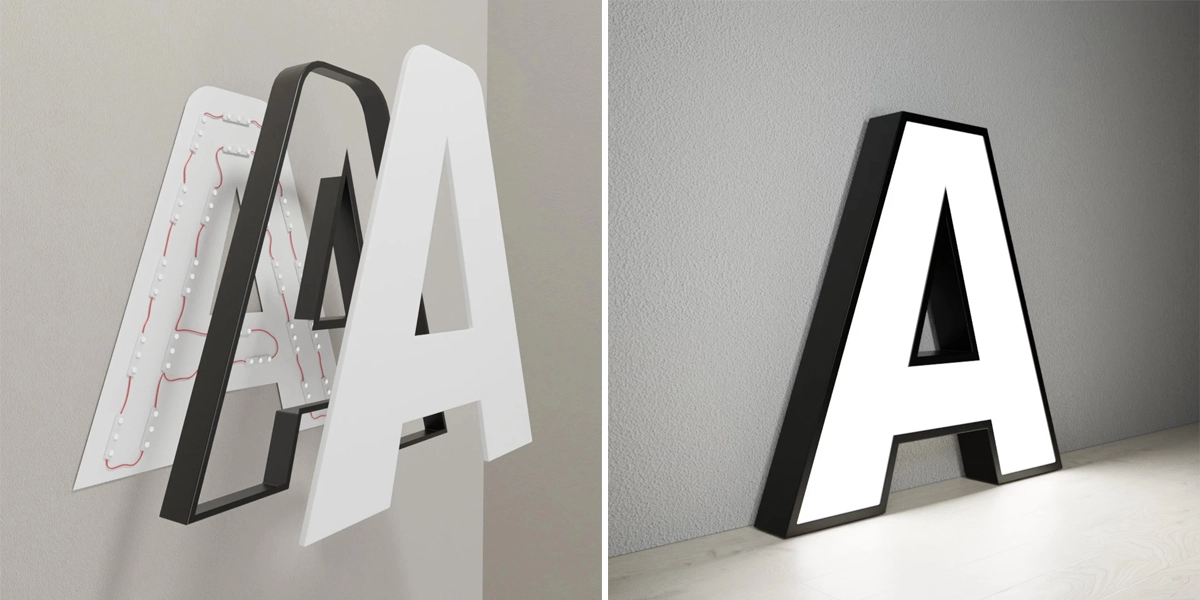
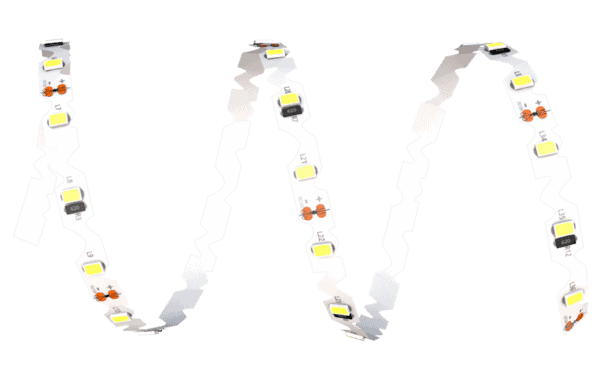
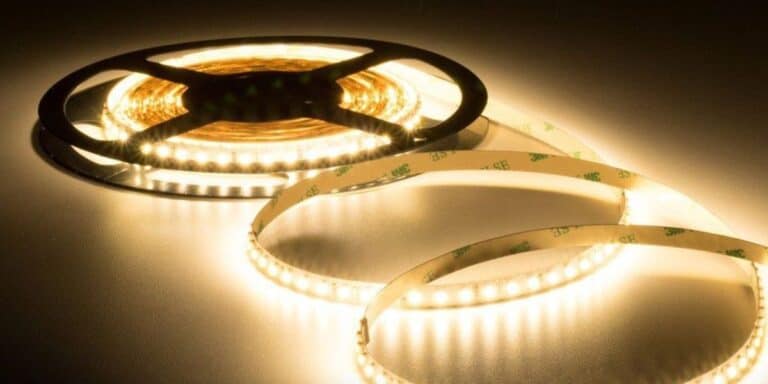
SMD2835 60LEDs 6mm S-vormige witte LED-striplicht
- LED Type: SMD2835
- LED-dichtheid: 60 LED's/m
- PCB-breedte: 6 mm
- Stripontwerp: S-vormige flexibele PCB
- Kleur: wit
- Lichtefficiëntie: 220 lm/W
- Ingangsspanning: 12V / 24V DC
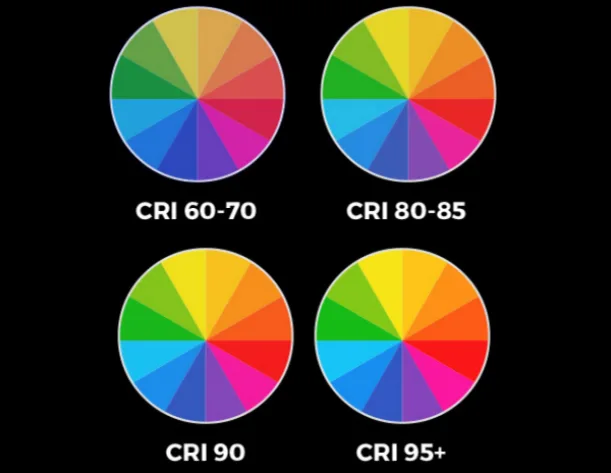
- CRI (kleurweergave-index): RA ≥ 80
- Stralingshoek: 120°
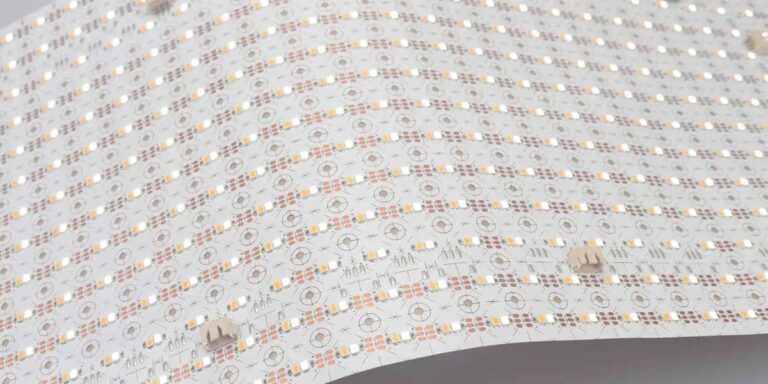
Lichtbak tekens Gezicht een hardere optische baan: het hele gezicht moet uniform gloeien. Twee LED-bronnen bestrijken de meeste kasten. Standaard en diepe kasten gebruiken SMD2835 Backlit-modules Met een brede (~ 160 °) balk, op afstand van de kastdiepte, zodat het licht van elke module de volgende overlapt. Edge-verlichte, dubbelzijdige en billboardkasten gebruiken SMD3030 (en SMD2835) stijve LED-lichtbalken Gemonteerd langs het frame, met smalle zijdelingse optica - zoals 15×45° of 10×25° - die licht over een of beide gezichten duwen. Hoe ondieper de doos, hoe zorgvuldiger de afstand tussen de staaf en de straalhoek worden berekend om heldere stippen door het gezicht te voorkomen.
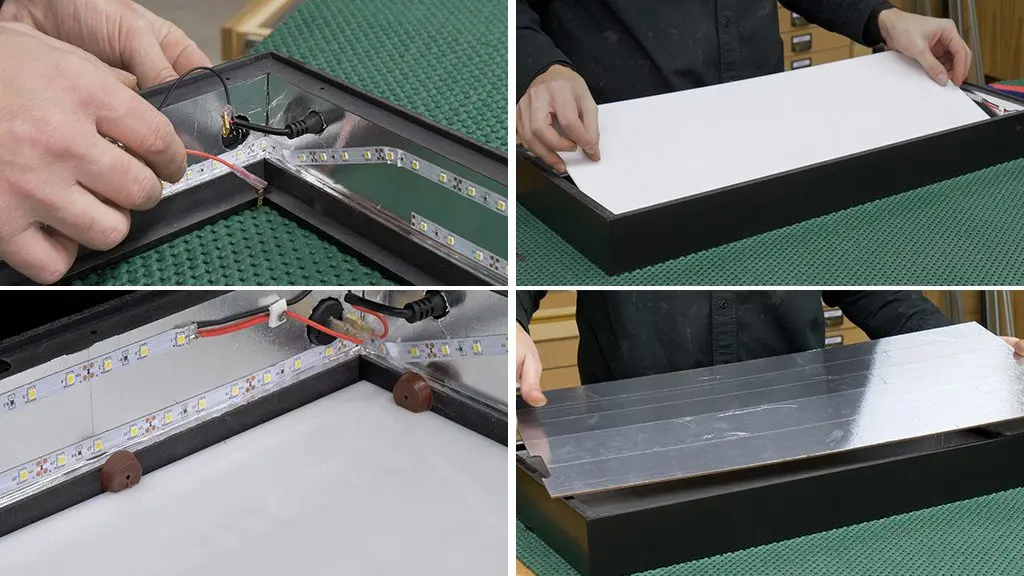
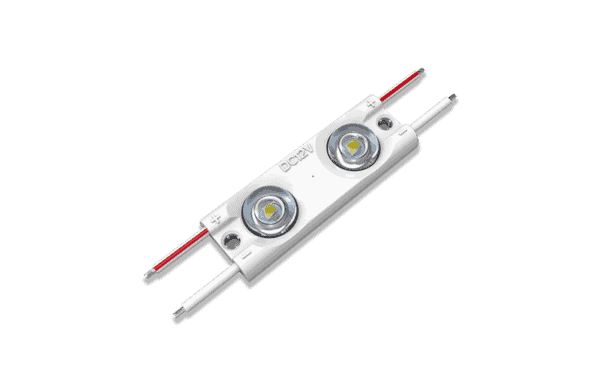
Enkele kleur 2LED DC12V LED-module licht
- Blootgesteld PCB-ontwerp voor goede warmteafvoer
- Laag licht falen voor een langere levensduur
- 9V high-power LED-chips voor helderdere output en hogere efficiëntie
- Constant stroomontwerp voor minder spanningsval
- Verbind meer per ketting
- 160° lens voor gelijkmatige verlichting
- Geschikt voor dunne tekens
Gedeelde technische essentie Geldt voor beide:
- Spanning: Laagspanning 12 V of 24 V DC.
- Ingress-bescherming: IP65 voor algemeen gebruik buitenshuis; IP67 voor natte of kustplaatsen.
- chauffeurs: Constante stroom of constante spanningsvoedingen geladen tot niet meer dan 80% van nominale uitgang voor thermische hoofdruimte - IP67-geclassificeerde eenheden (bijvoorbeeld de gemiddelde XLG-serie) voor buitendozen. bestrijken LED-voedingen.
- Kleurconsistentie: Chips worden naar een 3-staps Macadam-tolerantie gestuurd, zodat aangrenzende modules als hetzelfde wit worden gelezen.
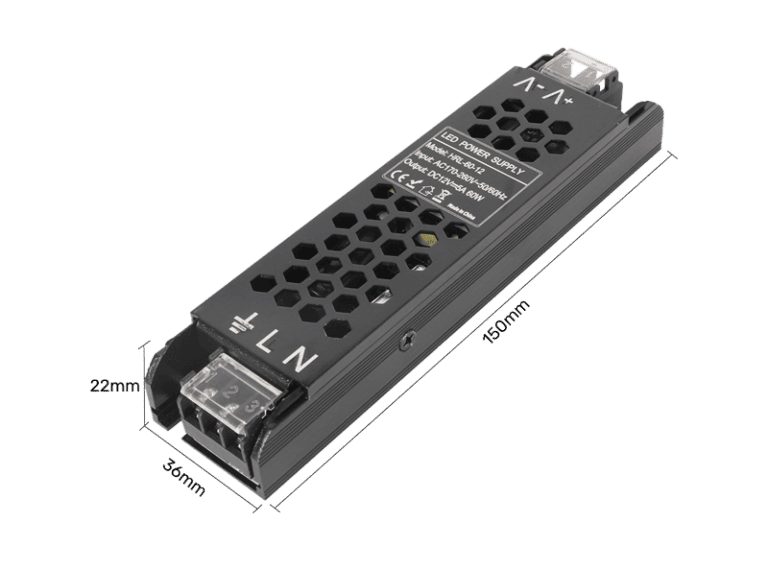
12V ultradunne driver voor LED-stripverlichting
- Ingangsspanning: AC110-260V
- Frequentiebereik: 47-63Hz
- Vermogensfactor: 0,5-0,6
- Efficiëntie: >80%
- Nominaal vermogen: 60W
- Uitgangsspanning: DC12V
- Nominale stroom: 5A
- IP-classificatie: IP20
- Garantie: 3 jaar
- Afmeting: L150 × W36 × H22mm
LED-bron op tekentype
Kanaalletter lichtbronnen
| grondstof | Typische LED-bron | Waarom deze bron? |
| Front-verlichte letters | SMD2835 witte modules (~ 160° balk); SMD5050 voor RGB | Brede bundel overlapt en vult het blik, waardoor zelfs licht door het gezicht wordt geduwd |
| Script, kleine of gebogen letters | 6 mm S-type flexibele stroken | Buigt in strakke stralen en smalle slagen waar stijve modules niet passen |
| Halo / omgekeerde letters | Achter gemonteerde modules of strips | Gericht op de muur om een zachte omtrek gloed achter de brief te gooien |
Lichtbak (kabinet) Lichtbronnen
| grondstof | Typische LED-bron | Waarom deze bron? |
| Standaard / diepe kasten | SMD2835 Backlit-modules (~160°) | Een raster op afstand overstroomt het hele gezicht en verwijdert hotspots over een groot paneel |
| Edge-verlichte, dubbelzijdige en billboardkasten | SMD3030 / SMD2835 Stijve LED-lichtbalken (15×45°, 10×25° optiek) | Zijdelingse steekstaven langs het frame licht een of beide gezichten gelijkmatig op |
Kostenvergelijking
De twee tekens worden op verschillende basissen geciteerd - kanaalletters per letter, een lichtbak per kast - dus de onderstaande tabellen zetten elk type op een typische Amerikaanse markt voor een afgewerkt teken voor een gelijk beeld. SignLiteled levert zowel Factory-Direct, dat onder deze afgewerkte marktcijfers loopt (u slaat lokale fabricage en winkelopmaak over) - stuur maten voor een exacte offerte.
Kanaalletterborden
| Onderteken bereik | Typische afgewerkte kosten |
| Kleine winkelpui (een paar korte letters) | $2.000–$4.000 |
| Middelgrote etalageset | $3.000–$7.000 |
| Grote of zeer op maat gemaakte set | $4.000–$10.000+ |
Fabrieksdirect van Signlitetled, de letters zelf draaien ongeveer $40-$80 elk op 8 tot $350-$800+ bij 36, af fabriek. Kostenschaal voor kanaalletters met lettertelling en hoogte, lettercomplexiteit (een "W" of "&" kost meer dan een "I"), retourmateriaal (aluminium versus roestvrij), gezichtskwaliteit, LED-telling en -kwaliteit, IP-classificatie en montage (raceway versus flush).
Lichtbak / kastborden
| Type kast | Typische afgewerkte kosten |
| Klein / kant-en-klaar | Een paar honderd-$1.500 |
| Enkelzijdige etalage | $1.500–$3.500 |
| Dubbelzijdig (pylon / monument) | $1.800–$6.500 |
| Groot / vacuümgevormd gezicht | tot ~ $8.000 |
De kosten van de lightbox worden aangedreven door kastgrootte, enkel- versus dubbelzijdig, vorm (rechthoeken en rondes kosten minder dan aangepaste curven), gezichtsmateriaal (acryl versus polycarbonaat) en grafische complexiteit - een fotografische afdruk kost meer dan platte blokkleur.
In de hele branche hebben kanaalletters over het algemeen een iets hogere kosten dan een vergelijkbare lichtbak, omdat elke letter afzonderlijk is gefabriceerd, verlicht en bedraad, terwijl een lichtbak één kast is met een enkel gezicht. Voor vergelijkbare middelgrote tekens kunnen de twee redelijk dichtbij landen, en uitgebreide lettersets vergroten de kloof. De cijfers weerspiegelen een andere constructie, niet dat één teken meer waard is - de juiste keuze hangt naast de visuele en functionele factoren hierboven af van het budget.
Voor exacte fabrieksprijzen voor beide soorten, stuurt u uw maten, tekentype en hoeveelheid voor een offerte.
Installatieverschillen
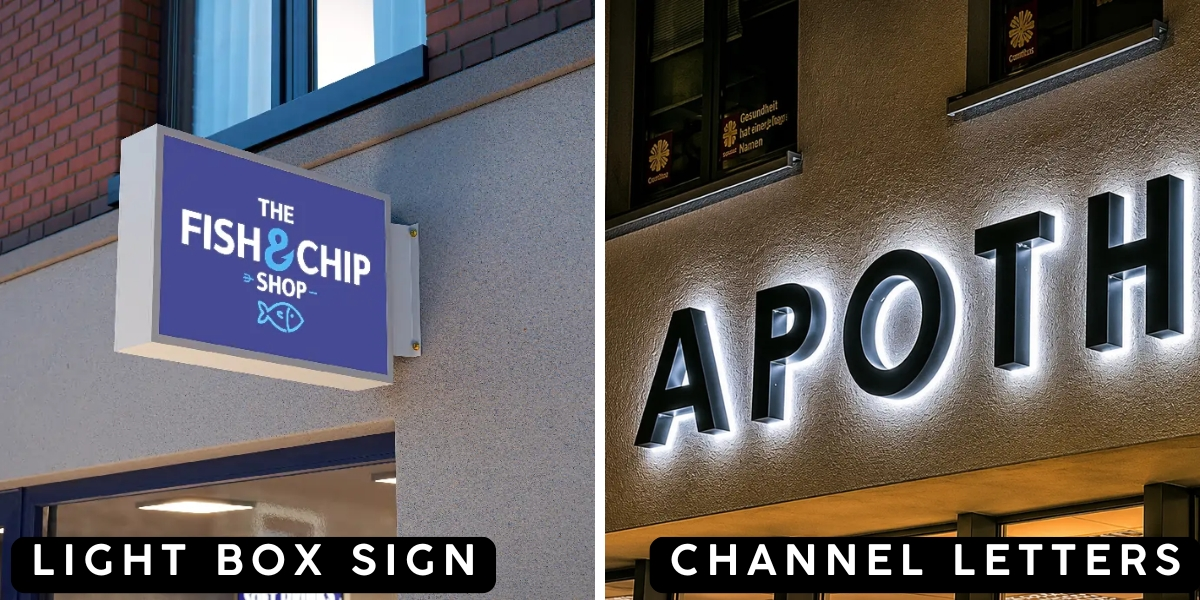
Installatie-inspanningen volgen direct uit de structuur. Kanaalletters worden letter voor letter gemonteerd - spoelen met de muur, op een loopbaan of op een backer - dus elk personage betekent zijn eigen lay-outmarkeringen, bevestigingsmiddelen en muurdoorvoeringen, plus de bedrading om ze aan elkaar te binden. Dat maakt de installatie langzamer en arbeidsintensief, en daarom wordt een loopbaan vaak gespecificeerd op gehuurde muren: het consolideert de bedrading in één montagedoos en minimaliseert de gaten die een verhuurder moet goedkeuren. Montagekeuzes en wat u op het spec-blad moet zetten, worden behandeld in de gids om Kanaalletterborden kiezen en opgeven.
Een lightbox installeert als één eenheid, met minder penetraties van de muur en een sneller proces - het wordt aan een muur of fascia gemonteerd, of zit op een paal of monument.
Technische opmerking: Voor beide soorten hoort de bestuurder op een geventileerde, bruikbare locatie, met leidingen die zijn gepland voor de levering. Elektrische borden in Noord-Amerika vallen onder UL 48 (de veiligheidsnorm voor elektrische borden) en NEC-artikel 600 (installatie van elektrische borden en omtrekverlichting); Merk op dat het gebruik van UL-lijsten componenten op zichzelf geen afgewerkt teken maakt, en het aanpassen van een bord in het veld kan de vermelding ongeldig maken - dus bevestig wat uw gemeente nodig heeft voordat u de fabricage gebruikt. Lokale codes variëren - sommige gemeenten beperken ook de helderheid van de halo (omgekeerde verlichte) of de helderheid van het dop - dus controleer zonering en energiecodelimieten voordat u ontwerpt.
Duurzaamheid, reparatie en onderhoud
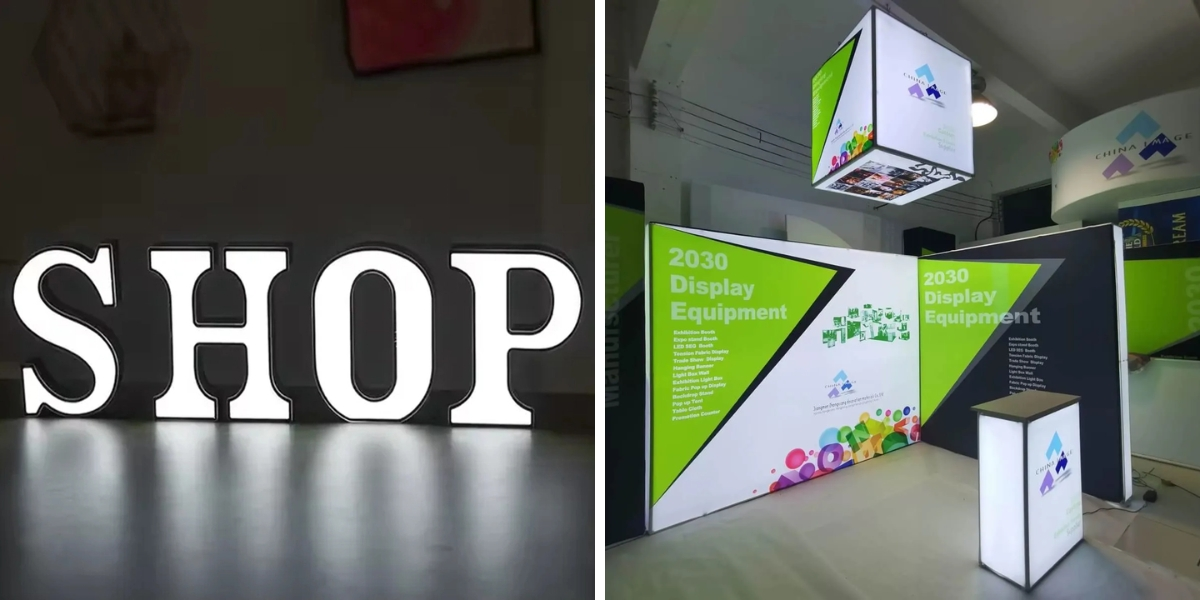
Onderhoud werkt voor elk type anders. Kanaalletters zijn modulair: als de LED's van één letter uitvallen, wordt die enkele letter (of de modulestring) onderhouden of vervangen terwijl de rest onaangeroerd blijft. Aluminium en roestvrijstalen retouren zijn bestand tegen weersomstandigheden - roestvrij 304 is standaard, met 316 gekozen voor blootstelling aan kustzout.
Een lightbox wordt als kast geserviced. De interne LED-modules of stijve staven kunnen worden geopend en vervangen als ze falen; het bedrukte gezicht is echter een enkel paneel - als het barst of geel wordt, wordt het als geheel opnieuw gecoverd in plaats van in secties. Een kwaliteits-, UV-stabiel gezicht houdt die reface ver weg.
Klimaat en structuur vormen ook de keuze. Kanaalletters hebben een laag windbelastingprofiel en hun open constructie laat water afvoeren, wat hen helpt code te voldoen in orkaangevoelige gebieden. Een lichtbak presenteert één groot gezicht, dus intense hitte kan het buigen, zware sneeuwbelasting vereisen versterkte omlijsting en kust- of vochtige plaatsen hebben kastenventilatie en afvoer nodig om condensatie te voorkomen; onder harde woestijnzon kan een bedrukt gezicht elke drie tot vijf jaar worden ververst.
In de loop van de levensduur gebruiken beide typen LED's van ongeveer 50.000 uur - en dat cijfer is L70, wat betekent dat de helderheid is vervaagd tot 701 TP3T van origineel, niet dat het bord donker is geworden. Signlitetled is UL, ETL, CE en ROHS gecertificeerd en ondersteunt zijn borden en LED-componenten met een garantie van 3-7 jaar.
Welke is geschikt voor uw bedrijf?
Match het teken aan de baan. De twee checklists en de onderstaande scenariotabel maken de vergelijking om tot een beslissing.
Kies kanaalletters als…
- U wilt een driedimensionale gevel met opgeheven, individueel verlichte letters.
- Nachtelijke letterscherpte is belangrijker dan een groot lichtblok.
- Je hebt een exacte Pantone-overeenkomst nodig die in het gezicht is ingebouwd.
- Een verhuurder of winkelcentrum vereist kanaalbrieven in de criteria van de huurderbord.
- U investeert in een merkactivum voor de lange termijn en wilt geïsoleerde, goedkope reparaties.
Kies lichtbakborden als…
- Het budget is krap en u wilt de laagste kosten voor het verlichte gebied.
- Het logo bevat een foto, een verloop, fijn detail of een lange slogan.
- U hebt een groot verlicht paneel of een bord langs de weg nodig dat op afstand wordt gelezen.
- Het bord staat op een paal of monument en moet dubbelzijdig zijn.
- U wilt de snelste installatie voor één eenheid.
Aanbevolen teken per scenario
| betrekking | Aanbevolen type |
| National retailmerk of winkelcentrum winkelpui | kanaalletters |
| Krap budget voor het eerste teken | lichtbak |
| Logo met een foto, verloop of fijn detail | lichtbak |
| Lange slogan of multi-line bericht | lichtbak |
| Pyloon of monument langs de weg gezien van beide kanten | Dubbelzijdige lichtbak |
| Gastvrijheid of vlaggenschip gevel | kanaalletters |
| Verhuurder beperkt muurpenetraties | kanaalletters op een raceway of een enkele lightbox |
| Bedrijfsnaam plus een apart logomerk | Hybride: Kanaalletters + Logo Box |
Kun je beide combineren? Ja - de gewone hybride voert de bedrijfsnaam in kanaalletters voor dimensionale aanwezigheid, gecombineerd met het logo in een kleine lightbox/logobox die het gedetailleerde merk afhandelt dat een enkele letter niet kan. Het is standaard voor kettingen: de naam verschijnt als verhoogde dimensionale letters, terwijl het logovak de kleur- en vormletters niet kan bevatten, en het is logisch wanneer uw identiteit een woordmerk plus een pictogram is in plaats van alleen tekst.
Stuur uw logo, de tekengrootte en de locatie, en Sigliteled zal de juiste optie aanbevelen en het in de fabriek direct citeren, met OEM/ODM-productie en wereldwijde levering.
Conclusie
De beslissing komt neer op afwegingen, niet als een winnaar: kanaalletters geven je een driedimensionale etalage met onderhoud per letter en lagere bedrijfskosten tegen hogere kosten; een lightbox geeft je volledige grafische mogelijkheden, een groot gelijkmatig verlicht paneel en een snellere, goedkopere eeneenheid install met een vlak gezicht. Voor veel bedrijven is het antwoord beide: letters voor de naam, een logobox voor het merk. Een UL-, ETL-, CE- en RoHS-gecertificeerde fabrikant sinds 2011 produceert SigliteLED de LED-componenten en de complete aangepaste borden voor beide benaderingen, in de fabriek direct met OEM/ODM; stuur uw illustraties en afmetingen door de LED verlichte letters pagina voor een citaat.
FAQ
Gerelateerde berichten