한국어
한국어  English
  简体中文
简体中文  Deutsch
  Español
  Français
  Italiano
  日本語
日本語  Polski
  Português
  Русский
  Türkçe
  Nederlands
  Tiếng Việt
  ไทย
ไทย 
LED 스트립 조명을 유럽으로 수출하거나 상업용 조명 프로젝트를 위해 제품을 조달하는 경우 최신 ERP 요구 사항을 이해하는 것이 더 이상 선택 사항이 아니며 필수 조건입니다.
2021년부터 유럽 조명 시장은 근본적인 변화를 겪었습니다. 한때 존재했던 자발적인 에너지 효율 벤치마크는 이제 의무적인 시장 접근 요구 사항이 되었습니다. 오늘날 유럽 수입업자, OEM 구매자, 조명 설계자, 엔지니어링 계약업체는 모두 같은 질문을 합니다. "이 LED 스트립 조명이 ERP 규정을 준수합니까?"
이 가이드는 일반 소비자가 아닌 조달 전문가를 위해 작성되었습니다. LED 스트립 조명에 대한 특정 ERP 요구 사항, 최신 2026 표준, 규정 준수 확인 방법, 가장 중요한 것은 완전한 문서와 함께 호환 제품을 제공할 수 있는 공급업체를 선택하는 방법에 대해 설명합니다.
ERP LED 스트립 라이트란?
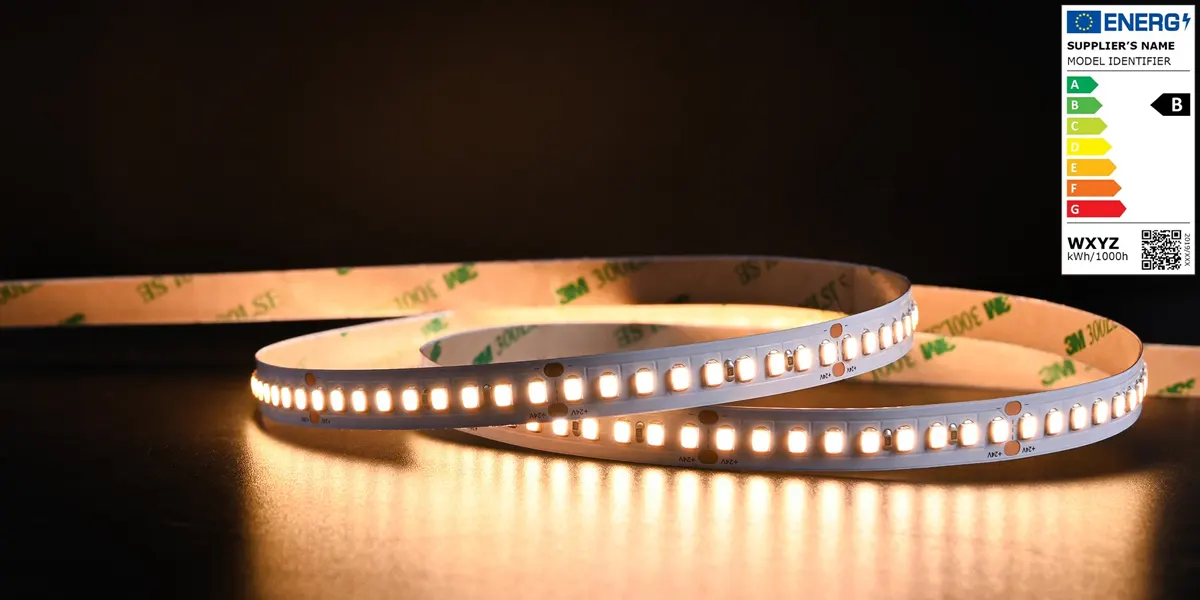
An ERP(에너지 관련 제품) LED 스트립 라이트 유럽 시장에 출시된 제품에 대해 유럽 연합에서 설정한 필수 에너지 효율성 및 에코 디자인 요구 사항을 충족하는 유연한 LED 조명 제품을 말합니다. 규정 준수는 실험실 테스트, 기술 문서 및 EPREL 데이터베이스 등록을 통해 확인됩니다.
| 항목 | 설명 |
| 프레임워크 규제 | (EU) 2019/2021 (에코디자인) |
| 에코디자인 규칙 | (EU) 2019/2020 (단일 조명 규정) |
| 에너지 라벨 규칙 | (EU) 2019/2015 (에너지 라벨링 규정) |
| 시장 | 유럽연합(전체 27개 회원국) |
| 에 적용 | LED 스트립 조명, LED 모듈, 광원을 포함하는 등기구 |
| 주요 초점 | 에너지 효율, 대기 전력, 플리커, 수명 및 순환 경제 |
| 효율성 규모 | A(최고) – G(최저) |
| 2026년 일반 조명 최소 | D급 이상(≥120lm/w) |
| 대기 전력 제한 | ≤0.5W(네트워크 대기용 ≤2.0W) |
ERP는 무엇을 의미합니까?
ERP는 에너지 관련 제품의 약자입니다. 에너지 효율성, 환경 보호 및 에너지 절약 요구 사항을 규제하는 데 사용되는 CE 인증 프레임워크 내에서 필수 지침입니다. 그만큼 ErP 지침(2009/125/EC) 2009년 초기 EUP(에너지 사용 제품) 지침을 대체하여 자체적으로 에너지를 소비하지 않지만 에너지 소비에 영향을 미치는 제품을 포함하도록 범위를 확장했습니다.
실용적인 관점에서 LVD는 안전을 보장하고, EMC는 전자기 간섭을 제어하며, ERP는 에너지 효율성과 환경 준수를 보장합니다. 안전 및 EMC 테스트만 있는 제품은 아직 미완성입니다. ERP는 CE 시스템의 필수 구성 요소입니다.
LED 스트립 조명에는 어떤 EU 규정이 적용됩니까?
LED 스트립 조명에 대한 ERP 준수는 두 가지 규정에 의해 관리됩니다.
- 유럽 위원회 규정(EU) 2019/2020 — 광원 및 별도의 제어 기어에 대한 에코디자인 요구 사항을 설정하는 단일 조명 규정(SLR)으로 알려져 있습니다. 이전 규정(EC) No 244/2009, (EC) No 245/2009 및 (EU)를 대체했습니다. 1194/2012.
- 유럽연합 집행위원회(EU) 2019/2015 — 광원에 대한 라벨링 요구 사항을 설정하는 ELR(Energy Labeling Regulation)으로 알려져 있습니다. 874/2012(EC) 번호를 교체했습니다.
구매자의 경우 핵심 사항은 다음과 같습니다. 이러한 규정은 LED 스트립 조명, LED 모듈 및 광원이 포함된 조명기구를 포함하여 EU 시장에 배치된 모든 광원에 적용됩니다.
새로운 ERP 규칙은 언제 적용되었습니까?
2018 → 기존 규정 검토 시작
2019 → EU 2019/2020 및 EU 2019/2015 발행
2021년 → 새로운 규정 시행(2021년 9월)
2024 → 플리커 요구사항 강화(SVM ≤ 0.4)
2026 → 클래스 D 최소(120lm/w)의 전체 시행
2021년 9월부터 시행된 규정. 그 이후로 EU는 점차적으로 요구 사항을 강화했습니다. 2026년 현재, 기본규정(EU) 2019/2021은 계속 유효하며, 대체 규정은 예상되지 않습니다.
새로운 ERP 규정이 도입된 이유는 무엇입니까?
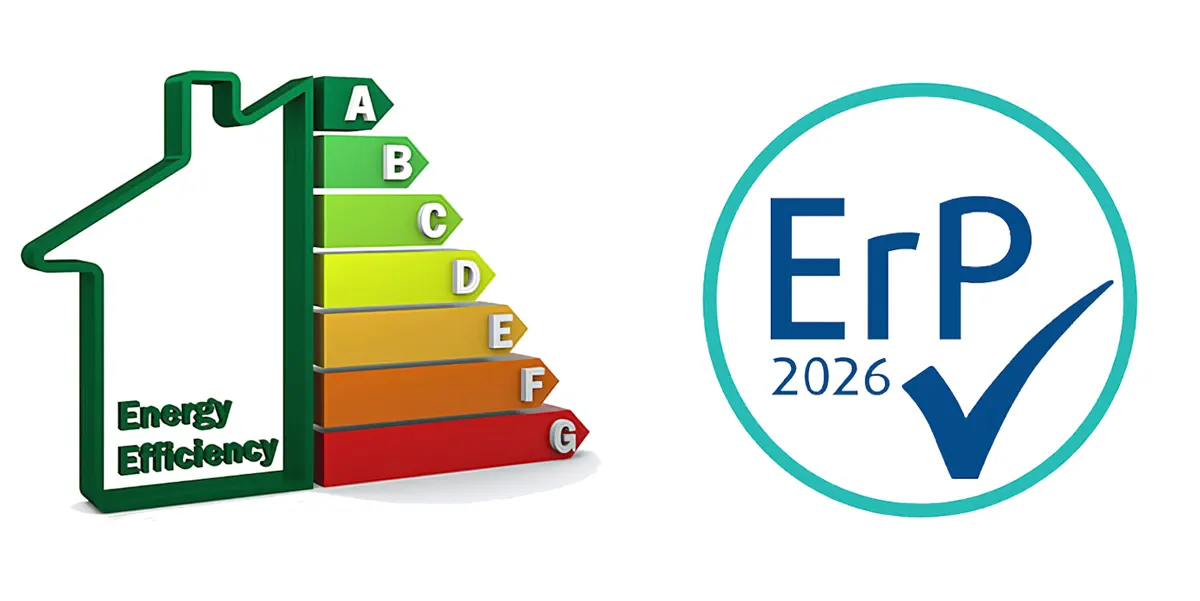
EU는 상호 연결된 세 가지 문제를 해결하기 위해 새로운 ERP 프레임워크를 도입했습니다.
- 탄소 감소와 녹색 거래 — EU는 2050년까지 기후 중립을 달성하기로 약속했습니다. 조명은 전기 소비의 상당 부분을 차지합니다. EcoDesign 작업 계획에 따르면 이 프레임워크에 따른 조치는 2030년까지 연간 260TWh 이상의 최종 사용 에너지를 절약할 수 있으며, 이는 연간 약 1억 톤의 온실 가스 배출을 줄이는 것과 같습니다.
- 기술은 오래된 표준을 능가했습니다 — 구형 A++에서 E 등급 시스템이 구축되었을 때 LED 기술은 여전히 등장하고 있었습니다. 2019년까지 많은 LED 제품이 이미 최고 등급을 넘어서서 라벨이 제품 품질을 효과적으로 차별화할 수 없게 되었습니다.
- 제품 투명성과 순환 경제 — 에너지 효율성을 넘어 새로운 규정에 따라 제조업체는 설계 시 내구성, 수리 가능성 및 재활용 가능성을 고려해야 합니다. 즉, 제품은 더 안정적이고 업그레이드 가능해야 하며(가능한 경우 가능), "수리 권리", 더 많은 재활용 가능한 재료를 포함하고, 분해하기가 더 쉬워야 합니다.
간단히 말해서, EU는 기준을 높였을 뿐만 아니라 전체 평가 시스템을 재설계했습니다.
ERP를 준수해야 하는 LED 스트립 조명은 무엇입니까?
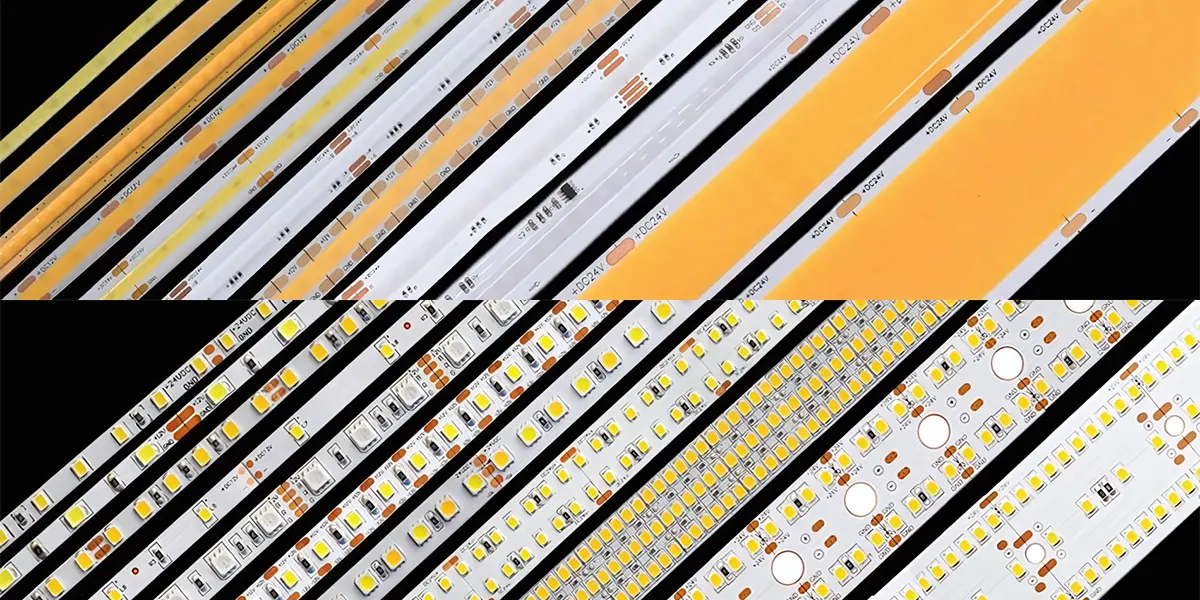
ERP는 EU에서 판매되는 거의 모든 LED 스트립 조명에 적용됩니다.
ERP 준수가 필요한 제품:
- 실내 범용 LED 스트립 조명
- 상업용 LED 스트립 조명(소매점, 사무실, 호텔)
- 건축 및 장식 LED 스트립 조명
- 소매 디스플레이 및 간판 조명
- 캐비닛 및 가구 조명
- COB LED 스트립 조명
- 방수 LED 스트립 조명(IP20, IP54, IP65, IP67)
면제(제한):
- 광속 60루멘 이하 또는 82,000루멘 이상의 광원
- 비상 조명
- 배터리로만 구동되는 등기구
- 연극 및 무대 조명
- 특정 산업용 등기구
OEM 구매자를 위한 중요 참고 사항: LED 조명기구에 직접 사용되는 모든 발광 구성 요소는 규정에 따라 광원으로 간주됩니다. 이는 조명기구 제조업체에 구성 요소로 판매되는 LED 스트립 조명도 ERP 요구 사항을 준수해야 함을 의미합니다.
LED 스트립 조명에 대한 주요 ERP 요구 사항
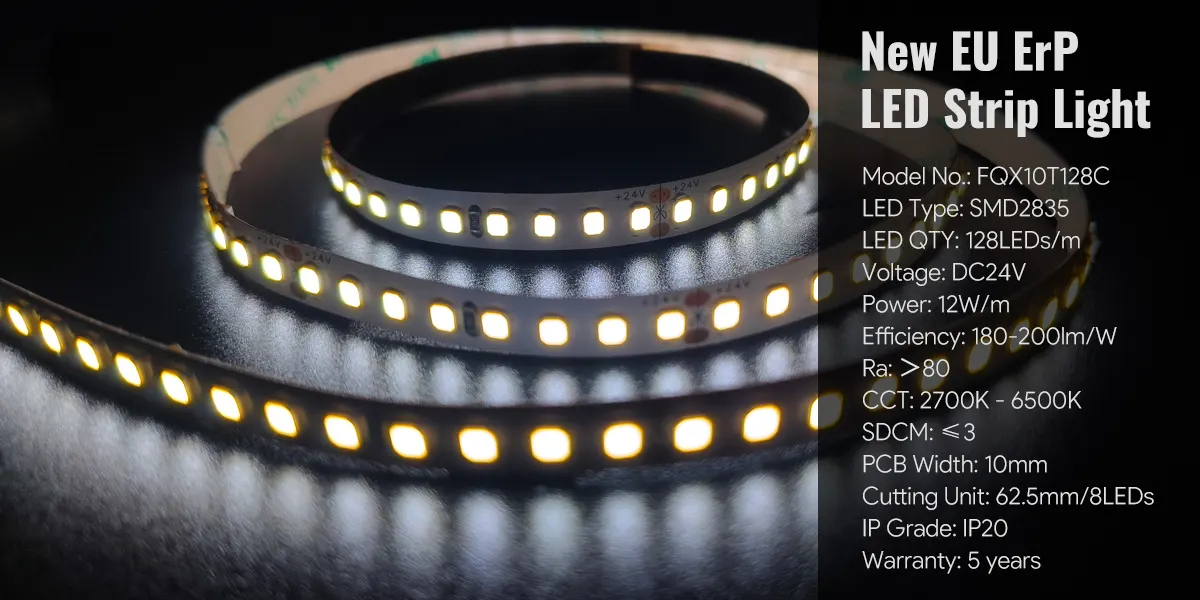
새로운 ERP 프레임워크는 LED 스트립 조명에 몇 가지 특정 요구 사항을 부과합니다.
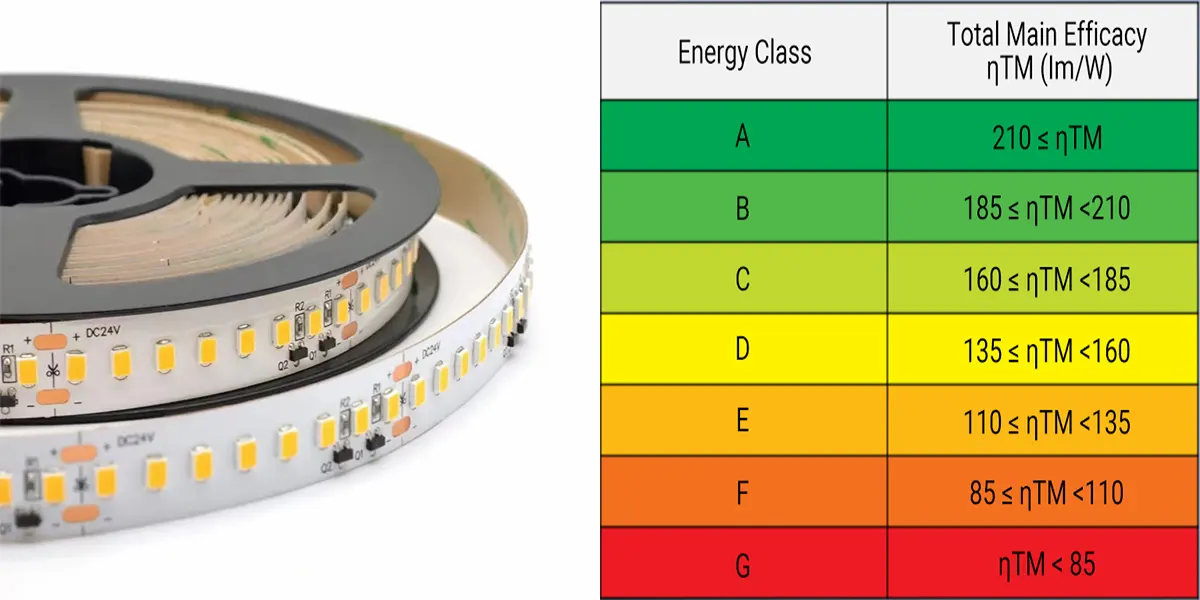
최소 발광 효능: 2026년부터 일반 조명 LED 스트립 조명은 최소한 D급(≥ 120lm/w)을 달성해야 합니다. 프리미엄 애플리케이션에는 상위 클래스(B 또는 C)가 권장됩니다.
| 에너지 클래스 | 총 주전원 효능(LM/W) |
| A | ≥210 |
| B | 185 – <210 |
| C | 160 – <185 |
| D | 120 – <160 |
| E | 85 – <120 |
| F | 60 – <85 |
| G | <60 |
대기 전력 소비: 대기전력은 0.5W를 초과하지 않아야 하며, 네트워크 대기 전력은 2.0W를 초과하지 않아야 합니다.
플리커 성능: 단기 플리커 표시기(PSLM)는 ≤ 1.0이어야 하고, 플리커 백분율(SVM)은 ≤ 0.4여야 합니다.
수명과 저하: 제조업체는 L70/B50 수명 6,000시간 이상의 데이터를 제공해야 하며, 이는 해당 기간 이후에 제품이 초기 발광 유속의 최소 70%를 유지함을 보여줍니다.
에너지 라벨링: 모든 호환 제품은 EPREL 데이터베이스에 연결되는 QR 코드와 함께 새로운 A-G 에너지 효율 라벨을 표시해야 합니다.
기술 문서: 제품이 시장에 출시된 날로부터 최소 10년 동안 완전한 기술 파일을 유지해야 합니다.
순환 경제 요구 사항: 제품은 재활용이 가능한 재료와 분해가 용이한 내구성, 수리성 및 재활용성을 위해 설계되어야 합니다.
새로운 EU 에너지 라벨 이해
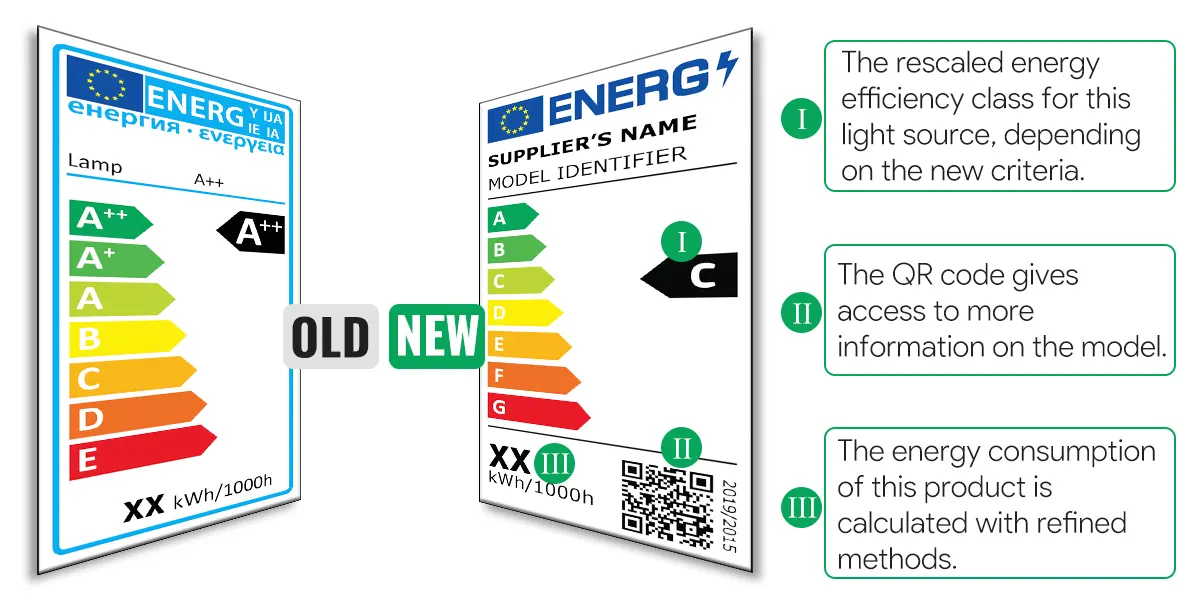
새로운 EU 에너지 레이블은 단순화된 A-G 스케일을 사용하여 기존 A+++를 D 시스템으로 대체합니다. LED 스트립 조명이 분류되는 방법은 다음과 같습니다.
- A등급(≥ 210 lm/w): 초고효율 — 미래의 프리미엄 등급, 아직 널리 사용 가능하지 않음
- B급(185~210lm/W): 프리미엄 효율 — 최상위 LED 스트립
- C등급(160~185 lm/W): 고효율 — 고성능 상업용 스트립
- D급(120~160lm/W): 표준 효율성 — 2026년 최소 요구 사항을 충족합니다.
- E 등급(85–<120 lm/W): 엔트리 레벨 — 준수하지만 최적 이하
- F 등급(60~85 lm/W): 저효율 — 구형 기술, 단계적 폐지
- G급(< 60 lm/W): 매우 낮은 효율 — 백열/할로겐과 동일, 효과적으로 금지
에너지 라벨에는 EPREL 데이터베이스에 연결되는 QR 코드가 포함되어 있어야 구매자와 검사자가 제품 사양과 규정 준수 상태를 확인할 수 있습니다.
A++ 제품이 현재 등급을 받는 이유 D: 이전 시스템에서 많은 LED 제품이 A++ 등급을 달성할 수 있습니다. 새로운 표준은 훨씬 더 엄격합니다. 이전에는 A++였던 제품이 이제 D 또는 E 범주에 속할 수 있습니다. 그렇다고 해서 제품이 더 나빠졌다는 의미가 아니라 EU가 기준을 크게 높였습니다.
ERP LED 스트립 대 기존 LED 스트립
다음은 기존 LED 스트립과 ERP 호환 LED 스트립의 비교입니다.
| 기능 | 전통적인 LED 스트립 | ERP 호환 LED 스트립 |
| 에너지 효율성 | 변수, 종종 낮음 | ≥120 lm/w 최소 (클래스 D) |
| 에너지 라벨 | 종종 누락 | EPREL 등록이 있는 A–G 라벨 |
| 대기 전력 | 규제를 풀린 | ≤0.5W(≤2.0W 네트워크) |
| 깜박임 제어 | 필요 없음 | PSTLM ≤1.0, SVM ≤0.4 |
| 평생 테스트 | 필요 없음 | L70/B50 ≥6,000시간 |
| 발열 | 더 높음 | 높은 효능으로 인해 낮아짐 |
| 전력 소비 | 루멘당 더 높음 | 최대 50% 낮음 |
| 탄소 발자국 | 더 높음 | Lower |
| EU 시장 접근 | 세관에서 차단 | 수입에 대한 지우기 |
| 에프렐 등록 | 해당 없음 | 위임의 |
| 기술 문서 | 종종 불완전 | 전체 파일 필요(10년 보존) |
| 미래를 대비한 | ...이 아닌 - 금지될 위험 | 예 - 현재 요구 사항을 충족합니다. |
결론: ERP 호환 LED 스트립은 단순히 에너지 효율성의 문제가 아니라 시장 접근의 문제입니다. 무 -규격 제품은 EU 국경에서 구금되고 전자 상거래 플랫폼에서 제거됩니다.
ERP 호환 LED 스트립을 선택하는 방법
1단계: 애플리케이션 시나리오 결정
프로젝트 요구 사항을 명확히 하십시오: 실내/실외, 필요한 색온도, 색 렌더링 지수, 보호 등급, 전압 및 미터당 발광 플럭스. 응용 분야마다 다른 에너지 효율 수준이 필요합니다.
2단계: 발광 효능 확인(LM/W)
2026년 EU 프로젝트의 경우 최소 요구 사항은 ≥120lm/W이며 고급 프로젝트의 경우 클래스 B(≥160lm/w) 또는 클래스 C(160–185lm/w)를 목표로 합니다.
3단계: 문서 확인
주문하기 전에 완전한 기술 문서를 요청하십시오.
- ERP 테스트 보고서(2024년 이후부터 시행되는 규정 준수)
- EPREL 번호가 있는 에너지 효율 라벨 모형
- 적합성 선언(DOC)
L L70/B50 평생 테스트 보고서
위험 신호: 공급업체가 이러한 문서를 미리 제공할 수 없는 경우에는 문서가 전혀 없을 가능성이 높습니다.
4단계: 테스트 완료 상태 확인
일부 테스트는 유효하지 않습니다. 공급자는 다음을 완료해야 합니다.
- 발광효능시험
- 대기 전력 테스트
- 플리커 테스트(PSLM 및 SVM)
- 평생 테스트
- 무부하 전력 소비 테스트
5단계: EPREL 등록 확인
제품은 EU 시장에 출시되기 전에 EPREL 데이터베이스에 등록해야 합니다. 무 -EU 제조업체는 등록을 처리할 EU 권한 대리인을 지정해야 합니다.
EPREL 데이터베이스에는 다음이 포함되어야 합니다.
- 에너지 효율 등급이 있는 제품 기록
- 제품 정보 시트
- 시장 감시 기관이 접근할 수 있는 기술 문서
- 시스템은 고유 등록 번호와 QR 코드를 생성하며, 이는 에너지 효율 레이블에 표시되어야 합니다.
6단계: 공급업체 평가
신뢰할 수 있는 공급업체는 다음을 수행해야 합니다.
- 공인 실험실에서 테스트 보고서 제공
- 각 모델에 대한 기술 문서 유지
- EPREL 등록 지원
- 유럽 시장 규정 준수 경험이 있습니다.
- 제조 및 품질 관리의 투명성을 유지
ERP LED 스트립 조명의 일반적인 응용
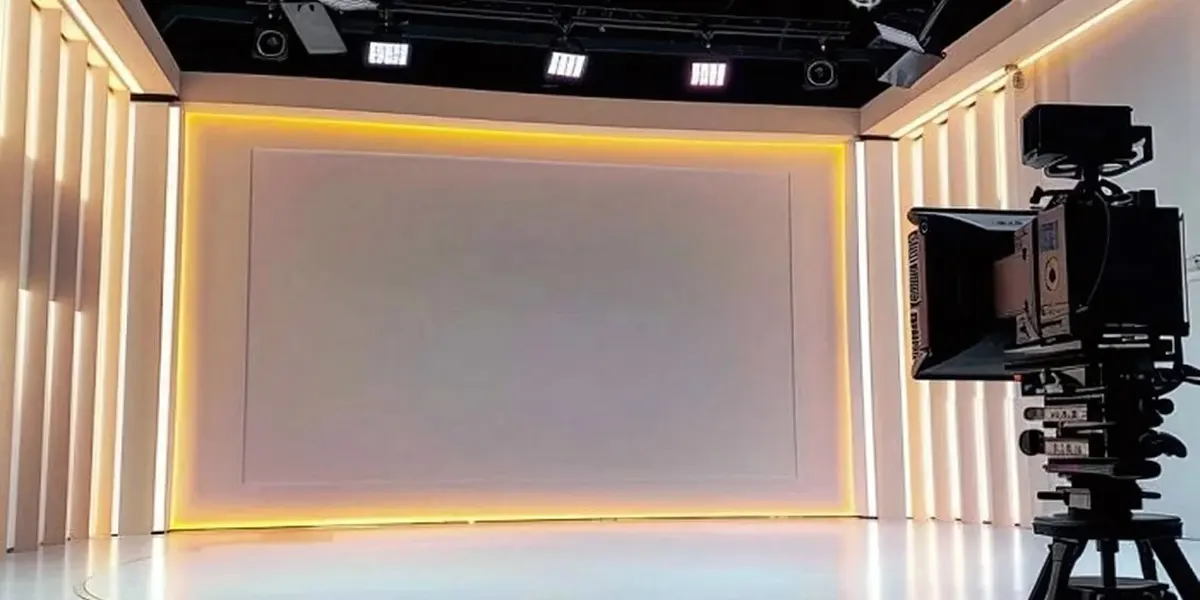
다음은 일반적인 응용 프로그램 및 권장 효율성 클래스입니다.
| 애플리케이션 | 일반적인 요구 사항 | 추천 클래스 |
| 사무실 조명 | 높은 효능, 좋은 CRI, 낮은 플리커 | 클래스 B 또는 C |
| 소매 디스플레이 | 높은 CRI, 색상 정확도 | 클래스 C 또는 D |
| 호텔 및 환대 | 따뜻한 CCT, 디밍 기능 | 클래스 C |
| 병원 | 높은 CRI, 낮은 깜박임, 위생(IP 등급) | 클래스 C |
| 박물관 및 갤러리 | 높은 CRI, UV 프리, 정밀 제어 | 클래스 C |
| 주거용 (주방, 캐비닛) | 좋은 효능, 유연성 | 클래스 D 또는 C |
| 가구 조명 | 낮은 프로파일, 유연성 | 클래스 D |
| 건축 외관 | 내후성(IP65+), 색상 제어 | 클래스 D |
| 상업 간판 | 높은 밝기, 가시성 | 클래스 C 또는 D |
| 미러 조명 | 높은 CRI, 균일한 분포 | 클래스 D |
ERP 준수는 앞서 언급한 모든 응용 프로그램에 적용됩니다. EU 내 상업 및 공공 부문 프로젝트의 경우 ERP 규정 준수가 입찰에서 점점 더 요구 사항이 되고 있습니다. 이러한 표준을 충족하지 않는 제품은 제외됩니다.
구매자가 저지르는 일반적인 실수
다음은 일반적인 실수와 이를 피하기 위한 올바른 관행입니다.
- 틀림 1: 와트(w/m)만 비교 — 정답: 효능 비교(LM/W) — 효능이 높으면 와트당 더 많은 빛을 의미합니다.
- 부정확한 2: 밝기를 선호하는 효율성 무시 — 정답: 모든 EU 프로젝트에 대한 수요 ≥ 120lm/w 최소
- 틀림 3: CE와 ERP를 혼동하는 — 정답: CE는 안전 + EMC, ERP는 에너지 효율성입니다. 3가지가 모두 필요합니다
- 틀림 4: ERP 증명으로 "CE" 수락 — 정답: ERP 테스트 보고서 및 EPREL 번호를 구체적으로 요청하십시오.
- 틀림 5: "A++"가 최고 품질을 의미한다고 가정합니다. — 정답: 이전 A++ 스케일이 더 이상 사용되지 않고 새 A-G 클래스를 확인하십시오.
- 틀림 6: 에너지 라벨 없이 구매 — 정답: 모든 ERP 호환 제품에는 EPREL QR 코드가 있는 A–G 라벨이 있어야 합니다.
- 잘못된 7: 문서 요구 사항 무시 — 정답: 기술 파일을 10년 동안 보관해야 합니다.
- 부정확한 8: 구두 준수 주장 신뢰 — 정답: 서면 증거 요청: 테스트 보고서, DOC, EPREL 등록
- 9: 깜박임 성능을 확인하지 않음 — 정답: 플리커는 규정 준수 요구 사항입니다. PSTLM 및 SVM 테스트 결과를 요청하십시오.
- 틀림 10: 모든 방수 스트립이 포함되어 있다고 가정 - 정답: IP 등급이 ERP에서 제품을 면제하지 않음 - 모든 IP 등급이 적용됩니다.
SignLite를 선택하는 이유LED ERP LED 스트립 조명용
Signliteed는 전문가입니다. LED 스트립 조명 제조업체 유럽 시장에 봉사한 광범위한 경험. 당사의 제품은 최신 ERP 요구 사항을 충족하도록 설계 및 테스트되어 파트너의 원활한 통관 및 시장 접근을 보장합니다.
EU 시장에 제공하는 것:
- 고효율 LED 스트립 솔루션 — 당사 제품은 ERP 클래스 B부터 E까지 적용되며, 프리미엄 애플리케이션의 경우 최대 220lm/w의 효능을 제공합니다. LM-80 테스트를 거친 LED를 사용하여 일관된 성능과 긴 수명을 보장합니다.
- OEM/ODM 사용자 지정 — 우리는 조명 브랜드, 제조업체 및 유통업체와 협력하여 특정 응용 분야, 색온도, CRI, IP 등급 및 전압 요구 사항에 대한 ERP 요구 사항을 충족하는 맞춤형 LED 스트립 조명을 개발합니다.
- 엄격한 생산 품질 관리 — LED 칩 선택에서 PCB 제조 및 최종 조립에 이르기까지 모든 단계가 일관성, 신뢰성 및 규정 준수를 보장하기 위해 모니터링됩니다.
- ERP 문서 지원 완료 — 테스트 보고서, 에너지 라벨 아트워크, 적합성 선언 등 EPREL 등록 및 EU 통관에 필요한 모든 기술 파일을 제공합니다.
- 애플리케이션 기반 제품 선택 — 당사의 기술 팀은 귀하의 프로젝트 요구 사항 및 에너지 효율성 목표에 따라 올바른 ERP 클래스 및 제품 사양을 선택할 수 있도록 도와줍니다.
- 여러 인증 — ERP 외에도 당사 제품에는 유럽 시장과 관련된 CE, RoHS 및 기타 인증이 있습니다.
다음 유럽 프로젝트를 위해 ERP 호환 LED 스트립 조명을 소싱할 준비가 되셨습니까? 제품 추천, 사용자 지정 사양 및 규정 준수 문서 지원에 대해서는 기술팀에 문의하십시오.
결론
ERP 프레임워크는 LED 스트립 조명에 대한 임시 규정이 아니라 유럽 조명 시장의 새로운 기준이 되었습니다. 2026년 현재, 클래스 D 이상(≥ 120lm/w), 엄격한 플리커 제한, 필수 EPREL 등록 및 완전한 기술 문서의 요구 사항이 명확합니다.
구매자에게 이는 다음을 의미합니다.
- 와트 비교 중지 - 효능 비교(LM/W)
- 구두 주장 신뢰 중지 - 테스트 보고서 및 EPREL 번호 요청
- CE가 충분하다고 가정하지 마십시오. LVD + EMC + ERP가 필요합니다.
공급업체의 경우 다음을 의미합니다.
- 품질 LED에 대한 투자는 타협할 수 없습니다.
- 문서는 제품 자체만큼 중요합니다.
- EPREL 등록은 귀하가 제공하거나 지원해야 하는 서비스입니다.
SignLiteD에서 우리는 이러한 요구 사항을 기반으로 유럽 제품 라인을 구축했습니다. 고효율 LED 스트립 조명부터 완전한 문서 지원에 이르기까지 ERP 호환 제품을 자신 있게 시장에 출시할 수 있도록 지원합니다.
프로젝트가 있습니까? 제품 선택, 맞춤 사양, 규정 준수 지원에 대해서는 기술팀에 문의하세요. 이 가이드는 정보 제공을 위한 것입니다. 규정이 변경될 수 있습니다. 제품을 EU 시장에 출시하기 전에 항상 공인 규정 준수 전문가와 최신 요구 사항을 확인하십시오.
자주 묻는 질문
관련 게시물