Polski
  English
  简体中文
简体中文  Deutsch
  Español
  Français
  Italiano
  日本語
日本語  한국어
한국어  Português
  Русский
  Türkçe
  Nederlands
  Tiếng Việt
  ไทย
ไทย 
Niestandardowe neony LED stały się szeroko stosowanym rozwiązaniem oświetleniowym do nowoczesnych zastosowań komercyjnych i dekoracyjnych. Są one powszechnie stosowane w sklepach detalicznych, restauracjach, imprezach i przestrzeniach wewnętrznych, w których zarówno wpływ wizualny, jak i długoterminowa wydajność są ważne.
W porównaniu z tradycyjnym szklanym neonem, neony LED działają przy niskim napięciu i wykorzystują technologię oświetlenia półprzewodnikowego. Dzięki temu są bezpieczniejsze, bardziej energooszczędne i łatwiejsze w instalacji, a jednocześnie zmniejszają wymagania konserwacyjne. Ponadto ich elastyczna konstrukcja umożliwia precyzyjne dostosowywanie logo, tekstu i złożonych kształtów.
W praktycznych zastosowaniach znaki te są wykorzystywane nie tylko do oświetlenia, ale także do brandingu i komunikacji wizualnej. Dobrze zaprojektowany neon może poprawić widoczność, poprawić wrażenia klientów i wzmocnić tożsamość marki. W oparciu o doświadczenie produkcyjne i realizację projektów w świecie rzeczywistym, wybór odpowiednich materiałów i podejścia projektowego ma kluczowe znaczenie dla osiągnięcia stałej wydajności i długoterminowej niezawodności.
Ten przewodnik zawiera ustrukturyzowany przegląd niestandardowych znaków neonowych LED, w tym ich pracy, użyte materiały, procesy projektowania i produkcji, czynniki cenowe oraz sposób wyboru odpowiedniego producenta dla różnych projektów.
szybka odpowiedź
Niestandardowe neony LED to elastyczne podświetlane znaki wykonane za pomocą neonowych pasków ledowych montowanych na akrylowych lub metalowych tablicach. Replikują wygląd tradycyjnego neonu podczas pracy przy niskim napięciu (12V/24V), zużywają mniej energii (8–15 W/m) i trwają do 50 000 godzin.
Kluczowe na wynos
- Znaki neonowe LED zużywają 60–70% mniej energii niż szklany neon
- Typowa żywotność wynosi od 30 000 do 50 000 godzin
- Działaj na bezpiecznym niskim napięciu (12V/24V DC)
- W pełni konfigurowalny rozmiar, kolor i kształt
- Dostępne w wersji IP20 (w pomieszczeniach) i IP65 (zewnętrzne)
- Koszt utrzymania jest znacznie niższy niż w przypadku tradycyjnego neonu
- Nadaje się zarówno do zastosowań komercyjnych, jak i dekoracyjnych
Czym są niestandardowe neony LED?

Niestandardowe neonowe znaki LED to nowoczesne systemy oświetlenia zaprojektowane tak, aby odtworzyć wizualny blask tradycyjnego neonu za pomocą chipów LED osadzonych w elastycznych silikonowych dyfuzorach. W przeciwieństwie do Glass Neon, który wykorzystuje wyładowanie gazu i wysokie napięcie, LED Neon działa przy użyciu niskiego napięcia prądu stałego, dzięki czemu jest bezpieczniejszy i bardziej wydajny.
Na poziomie systemu neon nie jest pojedynczym komponentem, ale kombinacją wielu współpracujących ze sobą elementów inżynieryjnych.
| składnik | Typowa specyfikacja | Funkcja | Praktyczny wpływ |
| Chipy LED | SMD 2835 / 2216 | Generacja świetlna | Wydajność (100–130 lm/W) |
| Napięcie | 12V / 24V DC | Zasilanie | Bezpieczeństwo elektryczne |
| Zużycie energii | 8–15 W/m | Zużycie energii | koszt eksploatacji |
| Długość życia | 30 000–50 000 godzin | Trwałość | zadób |
| Kąt wiązki | 120°–180° | Rozprzestrzenianie się | Jednolite blask |
| Stopień ochrony IP | IP20-IP65 | Ochrona | Użytkowanie wewnątrz/na zewnątrz |
Dyfuzor silikonowy odgrywa kluczową rolę. Rozprowadza światło równomiernie, eliminując hotspoty i tworząc nieprzerwany efekt blasku, który przypomina tradycyjny neon.
Aby zrozumieć, jak działa nowoczesna technologia neonowa LED w porównaniu z tradycyjnymi systemami, zapoznaj się z naszym szczegółowym przewodnikiem na temat Jak działa neonowy flex w rzeczywistych aplikacjach oświetleniowych
Aby uzyskać głębsze wyjaśnienie techniczne struktury neonowej LED i zasad działania, patrz nasz Kompletny przewodnik techniczny LED Neon Flex dla profesjonalistów
Jak działają neony LED?
Znaki neonowe LED działają poprzez przepuszczanie prądu stałego niskiego napięcia (12 V lub 24 V) przez chipy LED osadzone w elastycznym silikonowym dyfuzorze. Te diody LED emitują światło, które jest równomiernie rozmieszczone przez dyfuzor, tworząc ciągły blask podobny do tradycyjnego neonu.
W przeciwieństwie do Glass Neon, który opiera się na wyładowaniu gazu i wysokim napięciu, LED Neon wykorzystuje technologię oświetlenia półprzewodnikowego. Poprawia to bezpieczeństwo, zmniejsza zużycie energii i zapewnia stałą moc światła bez migotania.
Znaki neonowe LED vs tradycyjny szklany neon
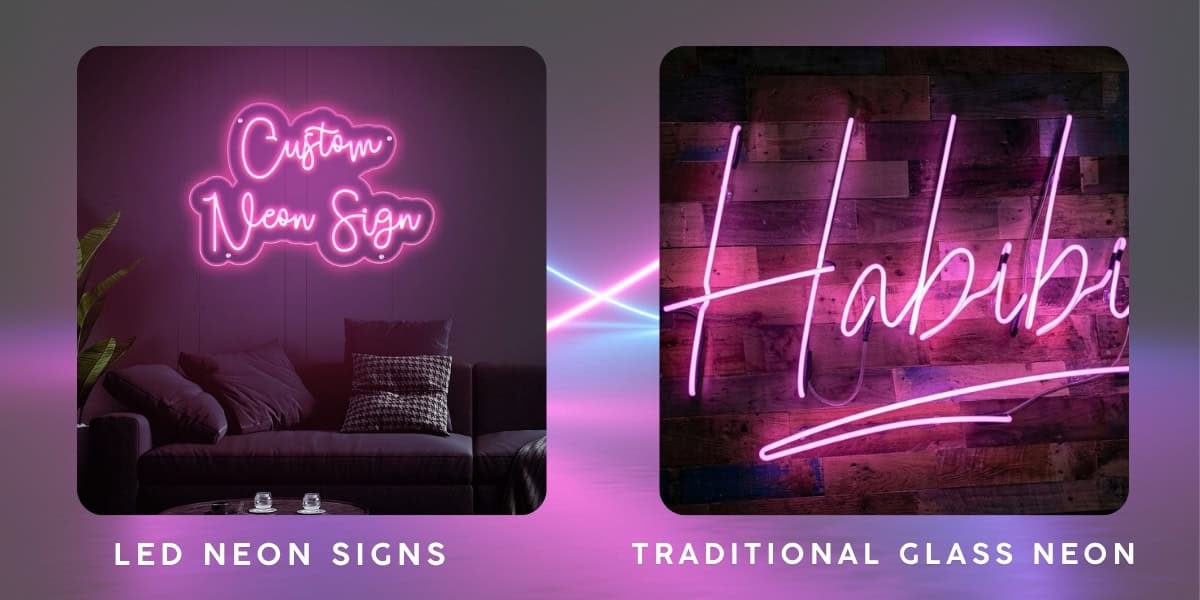
Przejście ze szklanego neonu na neon LED jest napędzane wydajnością, bezpieczeństwem i efektywnością kosztową.
| Parametr | Neon LED | Szklany neon | Wpływ na rzeczywistość |
| Napięcie | 12–24 V | 3 000–15 000 V | Wysokie ryzyko bezpieczeństwa w szkle |
| Zużycie energii | 8–15 W/m | 20–30 W/m | Wyższy koszt energii elektrycznej |
| Długość życia | 30 000–50 000 godzin | 8 000–15 000 godzin | Częsta wymiana |
| delikatność | Elastyczność | Szkło łamliwe | Wysoka konserwacja |
| Instalacja | Prosty | Kompleks | Koszt pracy |
| Moc cieplna | Niski | Wysoki | troska o bezpieczeństwo |
Szklany neon jest atrakcyjny wizualnie, ale operacyjnie nieefektywny. Wymaga:
- Transformatory wysokiego napięcia
- Wykwalifikowana instalacja
- częste konserwacje
LED Neon eliminuje te problemy, zapewniając porównywalne wyniki wizualne. W przypadku zastosowań komercyjnych na dużą skalę ta różnica przekłada się na znaczne oszczędności kosztów w czasie.
Możesz również zapoznać się ze szczegółowym porównaniem technologii w naszym przewodniku na temat LED Neon Flex vs konwencjonalne systemy oświetleniowe
Komponenty niestandardowego neonowego znaku LED
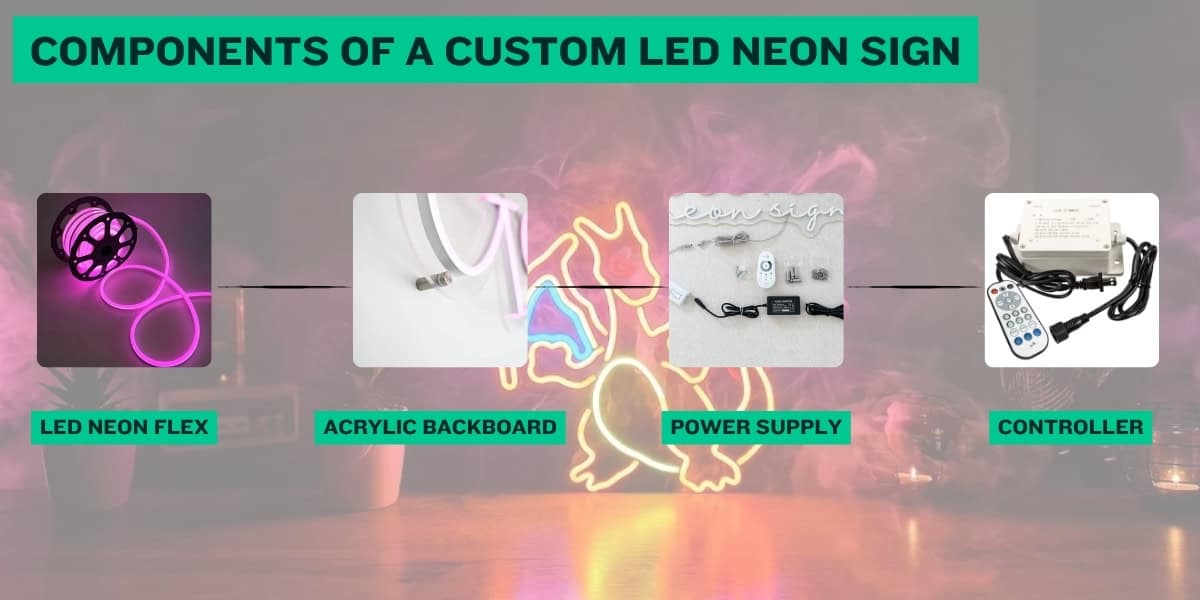
Niestandardowy znak neonowy LED to nie tylko produkt dekoracyjny. Jest to kompletny zintegrowany system oświetlenia złożony z elementów elektrycznych, optycznych i konstrukcyjnych. Wydajność, trwałość i jakość wizualna końcowego znaku zależą od tego, jak dobrze te komponenty są wybierane i łączone.
Każdy element ma określoną rolę inżynierską, a nawet niewielkie różnice w jakości mogą znacząco wpłynąć na spójność jasności, żywotność i bezpieczeństwo.
1. LED Neon Flex (źródło światła)
Podstawowym elementem emitującym światło systemu jest LED Neon Flex. Składa się z chipów LED osadzonych w elastycznej silikonowej obudowie z PVC, które dyfundują światło, tworząc ciągły efekt podobny do neonu.
W przeciwieństwie do tradycyjnych taśm LED, Neon Flex jest przeznaczony do wytwarzania bezkropkowanego, jednolitego oświetlenia, które ma kluczowe znaczenie dla zastosowań oznakowania.
Szczegóły techniczne:
| Parametr | Typowy zakres | Wpływ inżynierii |
| Zużycie energii | 8–15 W/m | Określa zużycie energii |
| Wyjście świetlne | 500–1200 lm/m | Kontroluje poziom jasności |
| Napięcie | 12V / 24V DC | Bezpieczeństwo i stabilność |
| Gęstość diod LED | 120–240 diod LED/m | Wpływa na jednolitość |
| Typ gięcia | Zginanie górne/boczne | Elastyczność projektowania |
Dlaczego ma to znaczenie:
Niska jakość neonu flex powoduje nierówną jasność, widoczne kropki i niespójność kolorów. Wysoka gęstość, wysokiej jakości Flex zapewnia płynną moc światła i długotrwałą niezawodność.

Silikonowa taśma neonowa LED do znaków Side Bend S0612
- Napięcie wejściowe: DC12V/24V
- Watt:10W/m
- LED QTY: SMD2835 120 diod LED/m
- Kolor: Czerwony/zielony/niebieski/żółty/lody niebieski/jasnoróżowy/różowy/fioletowy/cytrynowy
- Żółty/Złoty Żółty/Pomarańczowy/biały
- IGradacja: IP67
- Długość możliwa do przecięcia: 25mm/50mm
- Długość: 50 metrów/rolkę
2. Tablica akrylowa (podstawa konstrukcyjna)
Tablica akrylowa działa jak fundament strukturalny znaku neonowego. Utrzymuje neonowy flex LED na miejscu i określa ogólny kształt i projekt znaku.
Zwykle jest to precyzyjne cięcie za pomocą maszyn CNC lub laserowych do cięcia, aby dopasować niestandardowy tekst, logo lub kształty.
Szczegóły techniczne:
| Parametr | Typowy zakres | Wpływ inżynierii |
| zmierzwić | 3–8 mm | wytrzymałość strukturalna |
| Materiał | PMMA / Akryl | Przejrzystość i trwałość |
| Metoda cięcia | CNC / laser | Precyzja projektu |
| apretować | przezroczysty / matowy / kolorowy | Efekt wizualny |
Dlaczego ma to znaczenie:
Cienka lub niskiej jakości tablica może z czasem wypaczyć się, szczególnie w większych znakach. Właściwa grubość i materiał zapewniają stabilność, czysty wygląd i długotrwałą trwałość.
3. Zasilanie (sterownik LED)
Zasilanie konwertuje wejście wysokiego napięcia AC na niskie napięcie DC wymagane przez diodę NEON FLEX LED. Jest to jeden z najważniejszych elementów dla bezpieczeństwa i wydajności.
Stabilny sterownik zapewnia bez migotania i chroni diody przed wahaniami napięcia.
Szczegóły techniczne:
| Parametr | Typowy zakres | Wpływ inżynierii |
| Napięcie wejściowe | AC 100–240V | Zgodność globalna |
| napięcie wyjściowe | DC 12V / 24V | Wymagania systemowe |
| współczynnik mocy | >0.9 | Efektywność energetyczna |
| Wydajność | 85–92% | Zmniejszona strata ciepła |
| Ochrona | Przeciążenie / zwarcie | Bezpieczeństwo |
Dlaczego ma to znaczenie:
Słaba jakość sterowników może powodować migotanie, przegrzanie lub wczesną awarię. Niezawodne zasilanie bezpośrednio zwiększa żywotność i stabilność całego systemu.
4. Kontroler / ściemniacz (system sterowania)
Kontroler umożliwia regulację jasności, koloru i efektów świetlnych. Jest to szczególnie ważne w przypadku RGB lub dynamicznych znaków neonowych stosowanych w zastosowaniach komercyjnych i dekoracyjnych.
Szczegóły techniczne:
| Parametr | Typowy zakres | Wpływ inżynierii |
| Typ kontroli | Ściemnianie PWM | Płynna kontrola jasności |
| działanie | Zdalny / aplikacja / przełącznik ścienny | Wygoda użytkownika |
| Kompatybilność | Pojedynczy kolor / RGB / RGBW | Elastyczność aplikacji |
| Funkcje | Ściemnianie / zmiana koloru / efekty | Personalizacja |
Dlaczego ma to znaczenie:
Bez odpowiednich systemów sterowania oświetlenie pozostaje statyczne. Zaawansowane kontrolery umożliwiają dynamiczne efekty świetlne, poprawiając atrakcyjność wizualną i wrażenia użytkownika.
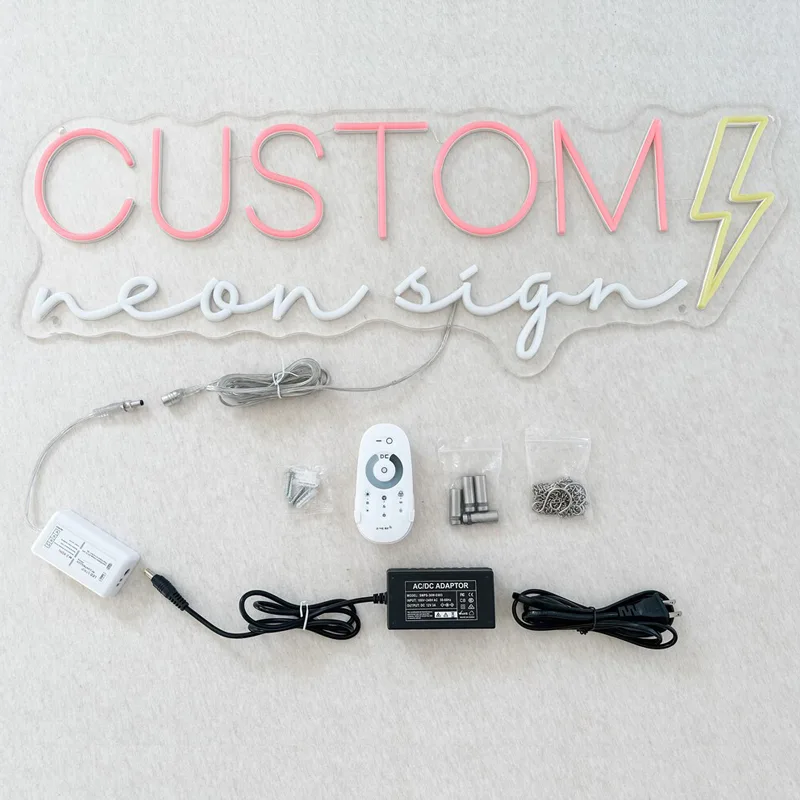
Zasilacz LED/Zasilacz LED z portem DC (DC12V/24V)
- Napięcie wejściowe: AC100-240V
- Napięcie wyjściowe: DC12V/DC24V
- Prąd wyjściowy: 3A/4A/5A/6A/8A/10A
- Watt: 72W/96W/120W
- Wymiary: 120x55x30mm
- Certyfikacja: US CE ROHS AU
- Stopień ochrony IP: IP20
- Gwarancja: 2 lata
Zintegrowana tabela wydajności systemu
| składnik | Specyfikacja kluczowa | Główna rola | Wpływ na ostateczną wydajność |
| LED Neon Flex | 8–15 W/m, 500–1200 lm/m | Generacja świetlna | Jasność i jednolitość |
| Tablica akrylowa | 3–8 mm PMMA | Wsparcie strukturalne | Stabilność i precyzja projektu |
| Zasilanie | 12V/24V DC, PF >0,9 | regulacja mocy | Żywotność i bezpieczeństwo |
| Kontroler | Ściemnianie PWM | sterowanie świetlne | Elastyczność i kontrola użytkownika |
Inżynieria Wgląd
Wydajność niestandardowego neonowego znaku LED nie jest określana przez pojedynczy komponent, ale przez integrację wszystkich komponentów jako systemu.
Na przykład, nawet jeśli zastosowano wysokiej jakości neonowy flex LED, zasilacz niskiej jakości może powodować migotanie i skrócenie żywotności. Podobnie, słabe podparcie strukturalne może z czasem prowadzić do deformacji lub problemów z instalacją.
Dlatego profesjonalni producenci skupiają się na projektowaniu na poziomie systemu, zapewniając, że wszystkie komponenty są kompatybilne, przetestowane i zoptymalizowane pod kątem rzeczywistych zastosowań.
Wybór materiału i struktura LED bezpośrednio wpływają na wydajność. Aby uzyskać głębszy podział, zobacz nasz artykuł na temat Kluczowe czynniki przy wyborze LED Neon Flex do projektów na dużą skalę
Rodzaje niestandardowych neonowych znaków LED
Niestandardowe neony LED są zaprojektowane w oparciu o wymagania aplikacji, warunki instalacji i cele wizualne. Każdy typ różni się poziomem jasności, rozmiarem, konfiguracją kolorów i systemem sterowania, w zależności od tego, gdzie i jak będzie używany.
Wybór właściwego typu jest ważny, ponieważ znak zoptymalizowany do dekoracji może nie zapewnić wystarczającej widoczności do użytku komercyjnego, podczas gdy znak o wysokiej jasności może być zbyt intensywny dla środowisk wewnętrznych.
Znaki neonowe biznesowe (wykorzystanie komercyjne i brandingowe)

Znaki neonów biznesowych są używane do witryn sklepowych, logo i wyświetlaczy marek, w których widoczność i rozpoznawalność mają kluczowe znaczenie. Znaki te są zaprojektowane tak, aby pozostawały wyraźnie widoczne w świetle otoczenia i z daleka.
Aby to osiągnąć, wymagane są wyższe poziomy jasności i silny kontrast kolorów. Białe, czerwone i niebieskie są powszechnie używane, ponieważ zapewniają wysoką widoczność w środowiskach komercyjnych.
| Parametr | Typowy zakres | Cel inżynieryjny |
| Jasność | 800–1200 lm/m | Wysoka wido |
| Temperatura barwowa | 4000K–6500K | Wyraźny i ostry wynik |
| Rozmiar | 50–150 cm+ | Czytelność na odległość |
| Ochrona | IP65 (opcjonalnie) | Zastosowanie na zewnątrz |
Eventowe znaki neonowe (dotyczenie tymczasowe i dekoracyjne)
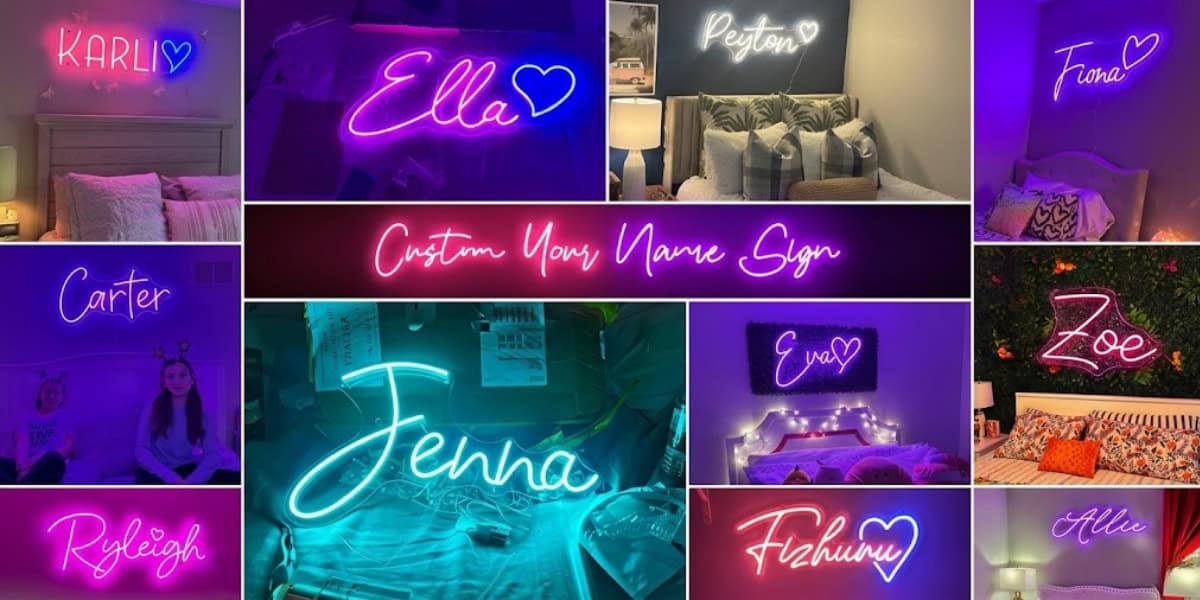
Neonowe znaki eventowe są przeznaczone do krótkoterminowych zastosowań, takich jak wesela, wystawy i imprezy promocyjne. Te znaki skupiają się na atrakcyjności wizualnej, przenośności i łatwej instalacji.
Jasność jest utrzymywana na umiarkowanej, ponieważ znaki te są zwykle używane w kontrolowanych środowiskach oświetleniowych.
| Parametr | Typowy zakres | Cel inżynieryjny |
| Jasność | 400–800 lm/m | Zrównoważona widoczność |
| Rozmiar | 30-100 cm | Elastyczne rozmieszczenie |
| Napięcie | 12V DC | Bezpieczna obsługa |
| Struktura | lekki akryl | Łatwy transport |
Ozdobne neony wnętrza (do użytku domowego i otoczenia)
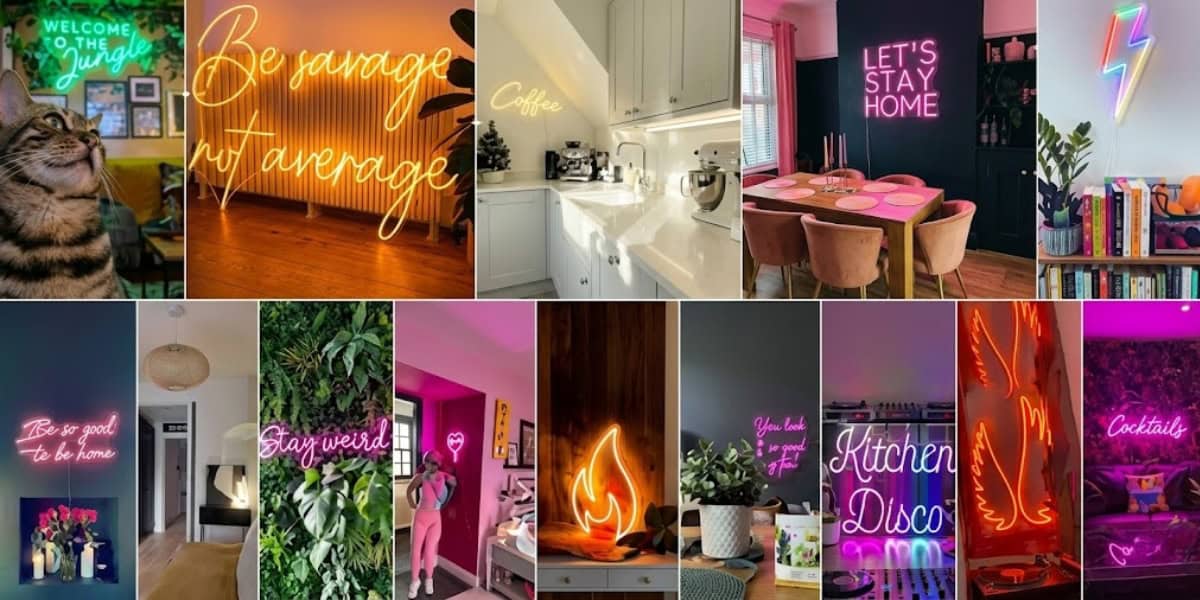
Wewnętrzne znaki neonowe są używane w przestrzeniach mieszkalnych i dekoracyjnych, w których celem jest stworzenie atmosfery, a nie silne oświetlenie.
Wewnętrzne znaki neonowe są używane w przestrzeniach mieszkalnych i dekoracyjnych, w których celem jest stworzenie atmosfery, a nie silne oświetlenie.
Niższa jasność i ciepłe temperatury barwowe są używane w celu utrzymania komfortu i uniknięcia olśnienia.
| Parametr | Typowy zakres | Cel inżynieryjny |
| Jasność | 300–600 lm/m | Miękkie oświetlenie |
| Temperatura barwowa | 2700K–3000K | Ciepła atmosfera |
| Rozmiar | 20–80 cm | Dekoracyjna skala |
| Kontrola | Opcjonalne ściemnianie | Regulowany nastrój |
Znaki neonowe do gier i studia (wykorzystanie oświetlenia dynamicznego)
Znaki neonów do gier i studia są zaprojektowane z myślą o dużym wpływie wizualnym, zwłaszcza w ustawieniach strumieniowych i środowiskach tworzenia treści. Znaki te często wykorzystują systemy RGB lub RGBW do dynamicznych efektów kolorystycznych.
Nacisk kładziony jest na personalizację, kontrolę kolorów i ulepszenie wizualne.
| Parametr | Typowy zakres | Cel inżynieryjny |
| Typ oświetlenia | RGB / RGBW | Dynamiczne kolory |
| Kontrola | Aplikacja / Zdalne | Dostosowanie w czasie rzeczywistym |
| Jasność | dający się | Oświetlenie sceniczne |
| Zastosowanie | studia / gry | Wpływ wizualny |
Porównanie typów neonów
| Typ | Zakres jasności | Typowy rozmiar | Zastosowanie | Kluczowy nacisk |
| handel | 800–1200 lm/m | 50–150 cm+ | Handel detaliczny / branding | Widoczność |
| wydarzenie | 400–800 lm/m | 30-100 cm | Wesela / Wydarzenia | ruchliwość |
| wewnętrzny | 300–600 lm/m | 20–80 cm | Strona główna / Wystrój | Atmosfera |
| hazard | Dynamiczny RGB | nawyk | studia studenckie | Efekty wizualne |
Inżynieria Wgląd
Każdy typ niestandardowego neonowego znaku LED jest zdefiniowany przez jego zastosowanie. Właściwy dobór jasności, temperatury barwowej i systemu sterowania zapewnia efektywne działanie znaku bez powodowania odblasków, marnowania energii lub słabej widoczności.
Poznaj niestandardowe rozwiązania
Jeśli potrzebujesz neonowego znaku dostosowanego do Twojego projektu, zapoznaj się z niestandardowymi rozwiązaniami neonowymi LED zaprojektowanymi dla biznesu, wydarzeń i aplikacji wnętrz.
Różne rodzaje znaków neonowych są używane w różnych branżach. Poznaj prawdziwe przypadki użycia w naszym przewodniku na temat Główne zastosowania systemów oświetlenia neonowego LED
Jak powstają niestandardowe neony LED
Proces produkcyjny niestandardowych znaków neonowych LED to połączenie inżynierii projektowania, precyzyjnego przetwarzania i kontroli jakości. Każdy krok bezpośrednio wpływa na ostateczną wydajność, wygląd i trwałość znaku.
W przeciwieństwie do masowo produkowanych produktów oświetleniowych, niestandardowe neony wymagają ręcznego kunsztu w połączeniu z kontrolowanymi metodami produkcji, aby zapewnić dokładność i spójność.
Krok 1: Inżynieria projektowania i układu
Proces rozpoczyna się od utworzenia pliku projektowego opartego na wektorze (format AI, SVG lub CAD). Ten plik określa dokładny kształt, rozmiar i układ znaku neonowego.
Na tym etapie inżynierowie określają również ścieżki gięcia, pozycje montażowe i prowadzenie elektryczne, aby zapewnić fizycznie wykonanie projektu bez zniekształceń.
| Parametr | Typowa wartość | Wpływ inżynierii |
| Format pliku | AI / SVG / CAD | Dokładność projektu |
| pobłaż | ±1–2 mm | Dokładność wymiarowa |
| Planowanie układu | Instrukcja + oprogramowanie | Wykonalność montażu |
Precyzyjny plik projektowy zapewnia, że wszystkie procesy downstream pozostają dokładne i wyrównane.
Krok 2: Cięcie neonowe LED neonowe
LED Neon Flex jest cięty zgodnie z układem projektu przy użyciu wstępnie zdefiniowanych punktów cięcia. Precyzja ma kluczowe znaczenie dla zapewnienia prawidłowego wyrównania podczas montażu.
Nieprawidłowe cięcie może prowadzić do nierównych problemów z oświetleniem lub elektrycznymi.
| Parametr | Typowy zakres | Wpływ inżynierii |
| Dokładność cięcia | ±1 mm | Dopasowanie i wyrównanie |
| Odstęp cięcia | 25–50 mm (oparte na segmentach) | Integralność elektr |
| naczynie | Frezy ręczne / precyzyjne | Czyste krawędzie |
Ten krok zapewnia, że każdy segment idealnie pasuje do ostatecznego projektu.
Krok 3: Grawerowanie tablicy akrylowej CNC
Tablica akrylowa jest przetwarzana za pomocą maszyn CNC lub laserowych do cięcia, aby dopasować go do dokładnego kształtu projektu.
Rowki lub ścieżki prowadzące mogą być również wygrawerowane, aby pomóc w precyzyjnym umieszczeniu neonowego flexu.
| Parametr | Typowy zakres | Wpływ inżynierii |
| Grubość materiału | 3–8 mm | wytrzymałość strukturalna |
| Metoda cięcia | CNC / laser | Precyzja krawędzi |
| pobłaż | ±0,5 mm | Dokładność projektu |
Precyzyjny grawerowanie zapewnia czyste krawędzie i profesjonalne wykończenie.
Krok 4: Ręczne gięcie i montaż
LED Neon Flex jest ręcznie wyginany i mocowany do akrylowej tablicy zgodnie z ścieżką projektową. Ten krok wymaga wykwalifikowanej siły roboczej, aby utrzymać gładkie krzywe i stały odstępy.
W przeciwieństwie do zautomatyzowanych procesów, ręczne kształtowanie zapewnia elastyczność w przypadku złożonych projektów, ale wymaga ścisłej kontroli jakości.
| Parametr | Typowy aspekt | Wpływ inżynierii |
| Metoda gięcia | Ręcznie formowanie | Dokładność krzy |
| Metoda mocowania | Klipsy / Klej | Stabilność |
| zrównanie | Wizualny + szablon | Spójność wyglądu |
Właściwy montaż zapewnia, że moc świetlna pozostaje równomierna bez zniekształceń.
Krok 5: Okablowanie i lutowanie
Połączenia elektryczne są uzupełniane przez lutowanie przewodów między segmentami neonowymi i podłączenie ich do zasilania.
Ten krok zapewnia stabilny przepływ prądu w całym znaku.
| Parametr | Typowy zakres | Wpływ inżynierii |
| Napięcie | 12V / 24V DC | Bezpieczeństwo |
| Jakość lutowania | Bezołowiowe / Izolowane | Niezawodność |
| Typ połączenia | SERII / ROZPO | obciążenie obciążenia |
Słabe okablowanie może prowadzić do spadków napięcia, migotania lub częściowej awarii.
Krok 6: Test starzenia (testowanie wypalania)
Po złożeniu znak przechodzi ciągłe testy pracy (zazwyczaj 24-48 godzin). To jeden z najważniejszych etapów kontroli jakości.
Pomaga zidentyfikować wczesne awarie, takie jak wadliwe diody LED, niestabilne sterowniki lub słabe połączenia.
| Parametr | Typowy zakres | Wpływ inżynierii |
| Czas trwania testu | 24-48 godzin | Walidacja niezawodności |
| Warunek testowy | praca ciągła | Testy warunków skrajnych |
| Wykrywanie awarii | Wizualne + elektryczne | Zapewnienie jakości |
Test starzenia zapewnia, że dostarczane są tylko stabilne i w pełni funkcjonalne produkty.
Krok 7: Kontrola końcowa i pakowanie
Przed wysyłką znak jest sprawdzany pod kątem jakości wizualnej, wydajności elektrycznej i integralności strukturalnej.
Opakowanie jest następnie uzupełniane przy użyciu materiałów ochronnych, aby zapobiec uszkodzeniu podczas transportu.
| Parametr | Koncentracja na ins | Wpływ inżynierii |
| kontrola wzrokowa | wyrównanie, jasność | Jakość estetyczna |
| próba elektryczna | Napięcie, stabilność | osiągnięcie |
| Opakowanie | Warstwy piankowe / ochronne | Bezpieczeństwo transportu |
Przegląd procesów produkcyjnych
| takt | przetwarzać | Wymagany czas | Wpływ jakości |
| Projekt | Tworzenie wektorowe | 1–2 godziny | dokładność |
| Cięcie | Flexowe cięcie LED | Wysoka precyzja | wmontować |
| cyzelatorstwo | Akryl CNC | automatyczny | Struktura |
| apel w wojsk | Ręczne kształtowanie | wykwalifikowana siła ro | Wygląd |
| drutowanie | Lutowanie | kontrolowany | Stabilność |
| testowanie | 24-48 godzin | istotny | Niezawodność |
| inspekcja | Ostateczna kontrola | etap końcowy | Zapewnienie jakości |
Jakość niestandardowego znaku neonowego LED jest definiowana nie tylko przez materiały, ale także precyzję i kontrolę procesu produkcyjnego. Spośród wszystkich etapów test starzenia jest najbardziej krytyczny, ponieważ zapewnia długoterminową niezawodność poprzez identyfikację wad przed dostawą.
Dobrze kontrolowany proces produkcyjny zapewnia stałą jasność, stabilną wydajność i wydłużoną żywotność.
Jak zaprojektować niestandardowy neonowy znak LED?
Projektowanie niestandardowego neonowego znaku LED to nie tylko wygląd. Każdy wybór projektu wpływa na widoczność, czytelność i instalację. Dobrze zaplanowana konstrukcja zapewnia, że znak działa skutecznie zgodnie z przeznaczeniem, czy to do marki biznesowej, czy dekoracji.
| takt | Rozważanie projektowe | Wpływ techniczny |
| Tekst / Logo | wiadomość lub tożsamość marki | Definiuje rozpoznanie |
| krynica | Styl i grubość | Wpływa na czytelność |
| Kolor | Kolor LED lub RGB | Wpływa na nastrój i widoczność |
| Rozmiar | 30-150 cm | Określa odległość oglądania |
| oprawa | Ściana / Wieszak | Wpływa na instalację |
Tekst lub logo powinny być proste i łatwe do zrozumienia, zwłaszcza w przypadku znaków komercyjnych, w których ważne jest szybkie rozpoznanie. Wybór czcionki powinien pasować do aplikacji, z pogrubionymi stylami dla widoczności i stylami dekoracyjnymi dla estetyki.
Wybór koloru wpływa zarówno na wygląd, jak i funkcję. Jasne kolory poprawiają widoczność w środowiskach biznesowych, podczas gdy ciepłe odcienie są lepsze do dekoracji wnętrz. Rozmiar znaku musi odpowiadać odległości oglądania, ponieważ mniejsze znaki są odpowiednie do ścisłego oglądania, a większe znaki są wymagane w witrynach sklepowych.
Metoda montażu powinna być dobrana na podstawie środowiska instalacji, aby zapewnić stabilność i prawidłowe ustawienie.
Dobry projekt równoważy atrakcyjność wizualną z wydajnością techniczną. Na przykład znaki detaliczne wymagają wyższej jasności i wyraźnych czcionek, podczas gdy znaki wewnętrzne skupiają się bardziej na atmosferze i bardziej miękkim oświetleniu.
Materiały użyte w neonach LED znaków
Wybór materiału jest kluczowym czynnikiem określającym trwałość, elastyczność i ogólną jakość niestandardowego neonowego znaku LED. Do dyfuzji światła, wsparcia strukturalnego i ochrony środowiska stosuje się różne materiały, a każdy z nich bezpośrednio wpływa na wydajność i żywotność.
Dobrze zaprojektowany neonowy znak wykorzystuje odpowiednią kombinację materiałów, aby zapewnić stabilną pracę, stałą moc światła i długotrwałą niezawodność.
| Materiał | Typowa długość życia | Kluczowa przewaga | Zastosowanie |
| Silikon | 5-8 lat | Wysoka elastyczność, odporność na promieniowanie UV | Znaki premium wewnątrz i na zewnątrz |
| PVC | 3-5 lat | Ekonomiczne, lekkie | Znaki wewnętrzne / budżetowe |
| Akryl (PMMA) | 5+ lat | Mocne, jasne, łatwe do kształtowania | Struktura tablicy |
| Aluminium | 8–10 lat | Wysoka wytrzymałość, odporność na ciepło | Znaki duże / zewnętrzne |
Szczegóły materiałowe
Silikon (Neonowy materiał ledowy)
Silikon jest używany w wysokiej jakości neonowym flexie LED, ponieważ zapewnia doskonałą elastyczność i trwałość. Umożliwia płynne gięcie dla niestandardowych kształtów przy jednoczesnym jednolitym rozprowadzaniu światła. Odporne na promieniowanie UV i nie żółkną łatwo, dzięki czemu nadaje się do długotrwałego użytkowania w środowiskach zewnętrznych.
PVC (polichlorek winylu)
PVC jest powszechnie stosowany w aplikacjach wrażliwych na koszty. Zapewnia podstawową elastyczność i akceptowalną wydajność do użytku w pomieszczeniach. Jest jednak mniej odporny na działanie ciepła i promieniowania UV, co może skrócić żywotność w warunkach zewnętrznych.
Akryl (materiał płyty)
Akryl działa jako podstawa strukturalna znaku neonowego. Służy do montażu i podtrzymywania neonowego flexu LED przy zachowaniu kształtu projektu. Oferuje wysoką przezroczystość, czyste krawędzie i jest łatwy do wycięcia na niestandardowe kształty za pomocą maszyn CNC lub laserowych.
Aluminium (konstrukcja wsporcza)
Aluminium jest stosowane w większych lub ciężkich znakach, gdzie wymagana jest dodatkowa wytrzymałość. Poprawia stabilność konstrukcyjną i pomaga utrzymać kształt z czasem, szczególnie w instalacjach zewnętrznych lub z dużym obciążeniem.
Wgląd w wybór materiału
Wybór materiału powinien zawsze odpowiadać aplikacji. Silikon jest preferowany w projektach premium i na zewnątrz ze względu na jego trwałość i elastyczność, podczas gdy PVC nadaje się do dekoracyjnych znaków wewnętrznych, gdzie koszt jest priorytetem. Akryl zapewnia precyzję konstrukcyjną, a aluminium jest używane, gdy potrzebne jest dodatkowe podparcie.
Właściwe połączenie tych materiałów zapewnia zarówno jakość wizualną, jak i długoterminową wydajność.

Zastosowania niestandardowych znaków neonowych LED
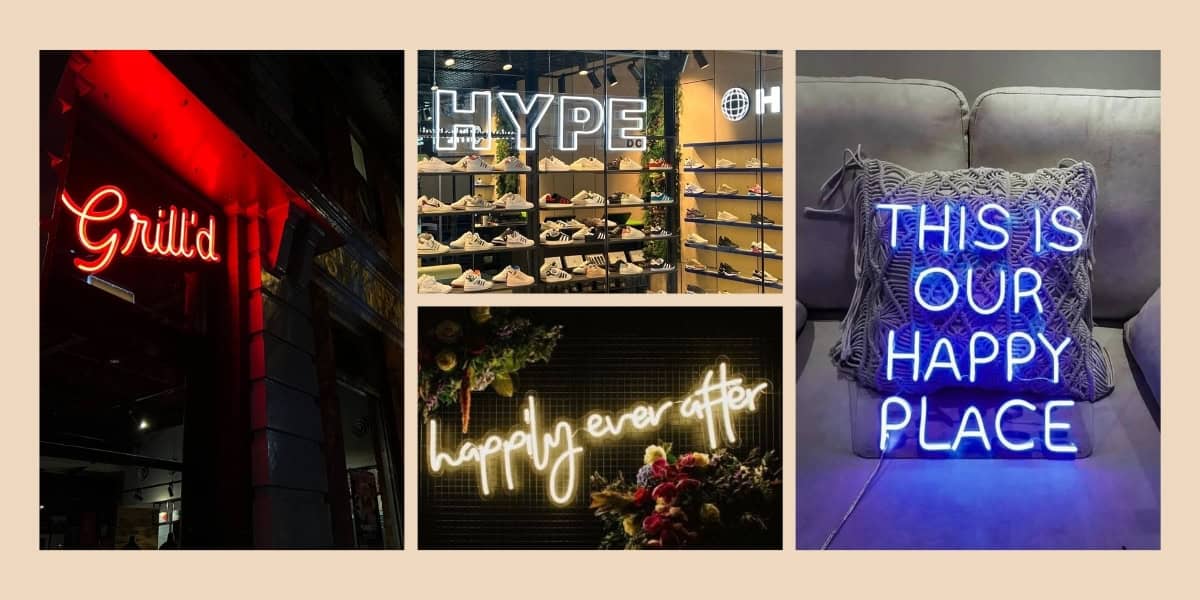
Niestandardowe neony LED są używane zarówno w środowiskach komercyjnych, jak i dekoracyjnych, gdzie ich rola różni się w zależności od jasności, koloru i przeznaczenia.
| Zastosowanie | Zalecana jasność | Cel | Koncentracja na projektach |
| sklepy detaliczne | 300-500 luksów | Branding i widoczność | Wyraźny kontrast, wyraźne czcionki |
| Restauracje i bary | 200-400 luksów | Atmosfera i nas | Ciepłe tony, miękki blask |
| Wydarzenia i wesela | 100-300 luksów | Dekoracja i motyw | Niestandardowe kształty, nazwy |
| Dekoracja domu | 100-200 luksów | Estetyczny wygląd | Oświetlenie otoczenia |
Szczegóły aplikacji
- sklepy detaliczne
Neonowe znaki w środowiskach detalicznych są używane do brandingu, wyświetlaczy sklepowych i przyciągania uwagi klientów. Wyższa jasność i wyraźne style czcionek zapewniają widoczność nawet w dobrze oświetlonych pomieszczeniach komercyjnych. - Restauracje i bary
W ustawieniach hotelarskich neony są używane do tworzenia atmosfery, a nie silnego oświetlenia. Ciepłe kolory i umiarkowana jasność pomagają poprawić atmosferę bez powodowania odblask. - Wydarzenia i wesela
W przypadku wydarzeń neony działają jako elementy dekoracyjne. Są one zwykle dostosowywane do nazw, cytatów lub projektów tematycznych i są przeznaczone do tymczasowej instalacji i łatwej konfiguracji. - Dekoracja domu
W przestrzeniach mieszkalnych znaki neonowe są używane do poprawy estetyki i stworzenia relaksującego środowiska. Niższa jasność i bardziej miękkie tony są preferowane dla komfortu wizualnego.
Praktyczny wgląd
Wybór odpowiedniej jasności i projektu dla każdej aplikacji jest niezbędny. Zbyt jasny znak może powodować dyskomfort w pomieszczeniach, a niska jasność może zmniejszyć widoczność w środowiskach komercyjnych.
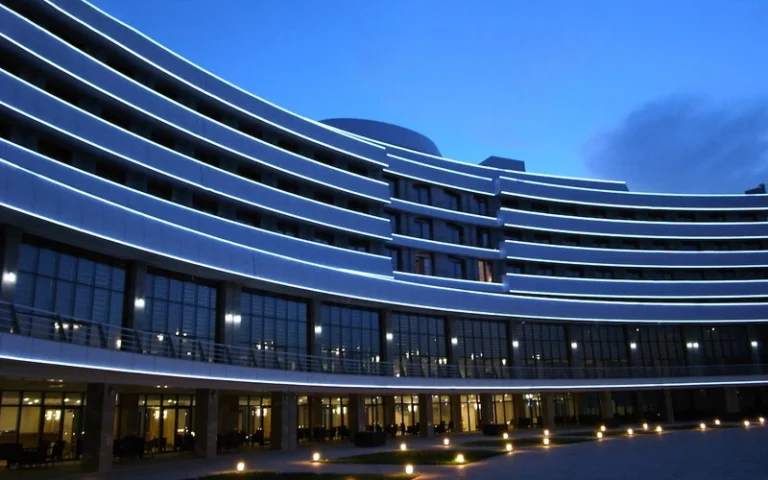
W przypadku zaawansowanych zastosowań komercyjnych i architektonicznych zobacz, jak LED Neon jest używany w dużych projektach, takich jak Oświetlenie fasadowe budynku z systemami sterowania RGB LED Neon i DMX
Czynniki cenowe niestandardowych neonowych znaków LED
Koszt niestandardowego znaku neonowego LED zależy od wielu zmiennych technicznych i projektowych. Ceny nie są stałe, ponieważ każdy znak jest tworzony w oparciu o określone wymagania, takie jak rozmiar, złożoność, materiały i funkcje kontrolne.
Zrozumienie tych czynników pomaga w dokładnym oszacowaniu kosztów i uniknięciu niedostatecznej lub przesłoniętej specyfikacji.
Podział cen
| Czynnik | Typowy zakres | Wpływ na koszty |
| Rozmiar | $50–$300+ | Większy rozmiar zwiększa wymagania materiałowe i mocowe |
| Złożoność projektu | +20–50% | Więcej krzywych i szczegółów zwiększa czas pracy |
| Oświetlenie RGB | +30% | Dodaje kontroler i zaawansowany system LED |
| Kontroler / ściemniacz | $10–$50 | Umożliwia kontrolę jasności i koloru |
| zakręty | zmienny | Zależy od wielkości, wagi i lokalizacji |
Wyjaśnienie kosztów
- Rozmiar bezpośrednio wpływa na zużycie materiału, zużycie energii i opakowanie, co czyni go głównym czynnikiem napędzającym koszty.
- Złożone projekty wymagają więcej ręcznego gięcia i czasu montażu, co zwiększa koszty pracy.
- Systemy RGB zwiększają elastyczność, ale wymagają dodatkowych komponentów, takich jak kontrolery i okablowanie.
- Kontrolery i ściemniacze poprawiają użyteczność, ale zwiększają ogólny koszt systemu.
- Koszt wysyłki jest bardzo zróżnicowany, szczególnie w przypadku dużych lub delikatnych znaków.
Informacje o cenach
Większe i bardziej złożone projekty zwiększają zarówno koszty materiałów, jak i robocizny. Zrównoważona konstrukcja, która spełnia wymagania funkcjonalne bez niepotrzebnej złożoności, jest najbardziej opłacalnym podejściem.
Zalety neonów LED
Znaki LED Neon oferują znaczną przewagę nad tradycyjnym neonem szklanym, zwłaszcza pod względem wydajności, trwałości i bezpieczeństwa.
Kluczowe zalety
- Efektywność energetyczna (oszczędności 60–70%)
LED Neon zużywa znacznie mniej energii w porównaniu z tradycyjnym neonem, co zmniejsza długoterminowe koszty operacyjne. - Długa żywotność (30 000–50 000 godzin)
Wydłużona żywotność minimalizuje częstotliwość wymiany i wysiłki konserwacyjne. - Niskie koszty utrzymania
Konstrukcja półprzewodnikowa eliminuje problemy, takie jak wyciek gazu lub pęknięcie rury. - Bezpieczna praca niskiego napięcia (12V/24V)
Zmniejsza ryzyko elektryczne, dzięki czemu nadaje się zarówno do użytku w pomieszczeniach, jak i na zewnątrz. - Elastyczne możliwości projektowania
Można kształtować w złożone projekty, logo i niestandardowe formy bez ograniczeń strukturalnych.
Wpływ na wydajność
Te zalety bezpośrednio poprawiają użyteczność, obniżają koszty operacyjne i zwiększają niezawodność systemu, czyniąc NEON preferowanym wyborem dla nowoczesnych zastosowań.
Aby uzyskać głębsze zrozumienie korzyści z wydajności, zapoznaj się z naszym artykułem na temat Zalety elastycznych systemów oświetlenia LED Neon
Jak wybrać niestandardowego producenta znaków neonowych?
Wybór odpowiedniego producenta ma kluczowe znaczenie, ponieważ jakość produktu, możliwości dostosowywania i długoterminowa niezawodność zależą od standardów produkcyjnych i doświadczenia.
Profesjonalny producent zapewnia nie tylko produkt, ale także wsparcie projektowe, zapewnienie jakości i obsługę posprzedażną.
Kryteria oceny producenta
| Czynnik | Zalecany standard | Dlaczego to ma znaczenie |
| doświadczenie | 5+ lat | Sprawdzona zdolność produkcyjna |
| Certyfikaty | CE, RoHS | Zgodność z normami bezpieczeństwa |
| Wsparcie OEM / ODM | nadający się do | Niestandardowa możliwość projektu |
| Gwarancja | 2–3 lata | Niezawodność produktu |
| Jakość produkcji | Kontrolowany proces | Stała wydajność |
Jak ocenić producenta
- Sprawdź doświadczenie w projekcie
Producenci z prawdziwymi portfelami projektów są bardziej niezawodni w obsłudze wymagań niestandardowych. - Zweryfikuj jakość materiału
Wysokiej jakości silikon, akryl i sterowniki zapewniają lepszą wydajność i dłuższą żywotność. - Oceń możliwości dostosowywania
Zdolność do tworzenia różnych rozmiarów, kształtów i efektów świetlnych jest niezbędna dla projektów niestandardowych. - Przegląd testów i kontroli jakości
Procesy takie jak testy starzenia i inspekcje zapewniają niezawodność produktu przed dostawą. - Potwierdź wsparcie posprzedażowe
Gwarancja i wsparcie techniczne zmniejszają ryzyko długotrwałego użytkowania.
Wgląd w wybór
Wybór taniego producenta może obniżyć koszty początkowe, ale może prowadzić do problemów, takich jak migotanie, słaba trwałość lub niespójna jasność. Niezawodny producent zapewnia stabilną wydajność, lepsze materiały i długoterminową wartość.
Jeśli planujesz projekt, zapoznaj się z niestandardowymi rozwiązaniami neonowymi LED z obsługą OEM/ODM, niezawodną jakością i pełnymi opcjami dostosowywania.
Lista kontrolna zakupu niestandardowych neonowych znaków LED
Przed sfinalizowaniem niestandardowego znaku neonowego LED, ważne jest, aby ocenić kluczowe parametry techniczne, aby zapewnić długoterminową wydajność, bezpieczeństwo i spójność wizualną. Dobrze zdefiniowana lista kontrolna pomaga uniknąć typowych problemów, takich jak niespójność jasności, przegrzanie lub przedwczesna awaria.
Lista kontrolna zakupu technicznego
| Parametr | Idealny asorty | Dlaczego to ma znaczenie |
| Napięcie | 12V / 24V DC | Zapewnia bezpieczną pracę niskiego napięcia i stabilność systemu |
| Zużycie energii | 8–15 W/m | Określa poziom jasności i efektywność energetyczną |
| Wyjście świetlne | 500–1200 lm/m | Kontroluje widoczność i wpływ wizualny |
| Długość życia | 30 000–50 000 godzin | Wskazuje na długoterminową trwałość |
| Stopień ochrony IP | IP65 (lub wyższy) | Chroni przed kurzem i wilgocią |
| jakość materiału | Silikon / Wysokiej jakości PCV | Wpływa na elastyczność, odporność na promieniowanie UV i długowieczność |
| System sterowania | Opcjonalny ściemniacz / RGB | Zwiększa użyteczność i personalizację |
Niezawodny system znaków neonowych nie jest definiowany przez jeden parametr, ale przez równowagę stabilności elektrycznej, jakości materiału i precyzji produkcji. Ignorowanie nawet jednego czynnika może zmniejszyć ogólną wydajność i żywotność.
Aby lepiej zrozumieć czynniki kosztowe i dobór materiałów, zobacz nasze Szczegółowy przewodnik na temat kupowania niestandardowych znaków neonowych i wyboru odpowiednich materiałów
Niestandardowe neonowe znaki LED Hub wiedzy
Ten przewodnik jest częścią strukturalnego centrum wiedzy o oświetleniu LED, zaprojektowanym w celu zapewnienia pełnego zrozumienia projektu, materiałów, wydajności i rzeczywistych aplikacji.
Aby bardziej szczegółowo zbadać każdy obszar, zapoznaj się z następującymi zasobami:
- Dowiedz się, jak funkcjonują systemy neonowe w rzeczywistych aplikacjach
Jak działa neonowy flex w rzeczywistych aplikacjach oświetleniowych - Zrozumieć projekt, materiały i decyzje zakupowe
Jak kupić niestandardowe znaki neonowe i wybrać odpowiednie materiały? - Poznaj wydajność i specyfikacje techniczne
Przewodnik LED Neon Flex dla specjalistów od oświetlenia architektonicznego - Porównaj neon LED z tradycyjnymi systemami oświetleniowymi
Porównanie oświetlenia LED Neon vs Konwencjonalne - Odkryj rzeczywiste aplikacje
Główne zastosowania systemów oświetlenia neonowego LED - Dowiedz się o zaletach wydajności
Zalety elastycznych systemów oświetlenia LED Neon - Zrozum wymagania projektowe na dużą skalę
Jak wybrać led neonowy flex do dużych projektów - Poznaj aplikacje oświetleniowe architektoniczne
Oświetlenie neonowe neonowe z kontrolą RGB i DMX
Uzyskaj odpowiedni niestandardowy neonowy znak neonowy dla swojego projektu
Jeśli planujesz niestandardowy projekt znaku neonowego, wybór odpowiednich materiałów, projektu i producenta ma kluczowe znaczenie dla długoterminowej wydajności i wpływu wizualnego.
Przy Sygnalizator LED, Dostarczamy rozwiązania neonowe OEM i ODM Custom LED dopasowane do zastosowań komercyjnych, architektonicznych i dekoracyjnych.
Poznaj nasze niestandardowe rozwiązania neonowe LED, aby uzyskać wsparcie ekspertów, dokładną konstrukcję i niezawodną produkcję dla Twojego projektu.
Wniosek
Niestandardowe neony LED zmieniły nowoczesne aplikacje oświetleniowe, łącząc elastyczność projektowania z wysoką wydajnością i trwałością.
Dzięki zrozumieniu komponentów systemu, materiałów, zasad projektowania i czynników cenowych, firmy i osoby fizyczne mogą podejmować świadome decyzje i osiągać zarówno cele estetyczne, jak i funkcjonalne.
Najczęściej zadawane pytania
Powiązane posty