English
  简体中文
简体中文  Deutsch
  Español
  Français
  Italiano
  日本語
日本語  한국어
한국어  Polski
  Português
  Русский
  Türkçe
  Nederlands
  Tiếng Việt
  ไทย
ไทย 
From task lighting to mood lighting, LED strip lighting is becoming more and more common in a variety of settings. The Chip-On-Board (COB) LED strip is a relatively new type of LED strip compared to conventional Surface-Mounted Device (SMD) LED technology. It has special advantages. We’ll delve into the specifics of what a COB LED strip is, how it operates, and why it’s better than other LED strips in this blog post.
A COB LED strip: what is it?
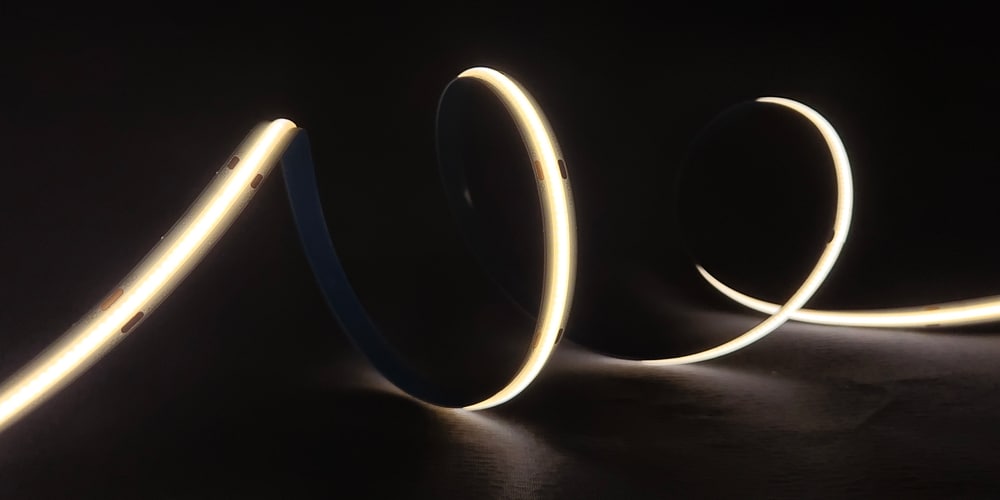
An LED light strip that makes use of COB LED technology is called a COB LED strip. Chip-On-Board LED, or COB LED, is a brand-new and cutting-edge method of using LED lighting. COB LED strips have one bigger LED chip that is directly attached onto a printed circuit board (PCB), as opposed to conventional LED strips that employ numerous small LED chips.
How do COB LED strips function?
A phosphor coating on the COB LED chip spreads the light over more surface area, improving its uniformity. In comparison to conventional LED strips, COB LED strips are more effective and durable because the single LED chip enables better heat transmission. Additionally, the COB LED strip has a higher lumen output per watt, which makes it perfect for applications requiring extreme brightness.
COB LED strip benefits include:
1. Better Heat Dissipation: COB LED strips are more effective and durable than conventional LED strips because the single LED chip is put directly onto the PCB, which improves heat transmission.
2. More Uniform Light Output: When compared to conventional LED strips, COB LED strips provide a more uniform light output. This is due to the fact that the single LED chip installed on the PCB produces more even lighting thanks to its more stable light output.
3. Higher Lumen Output: Compared to conventional LED strips, COB LED strips have a higher lumen output per watt. They are therefore perfect for uses that call for great brightness.
4.Longer Lifespan: Due to greater heat dissipation capabilities and the durability of the single LED chip, COB LED strips have a longer lifespan than typical LED strips.
5. Energy Efficient: COB LED strips have a higher lumen output per watt than conventional LED strips, making them more energy efficient. They are therefore the perfect option for energy-saving lighting solutions.
COB LED strip applications include:
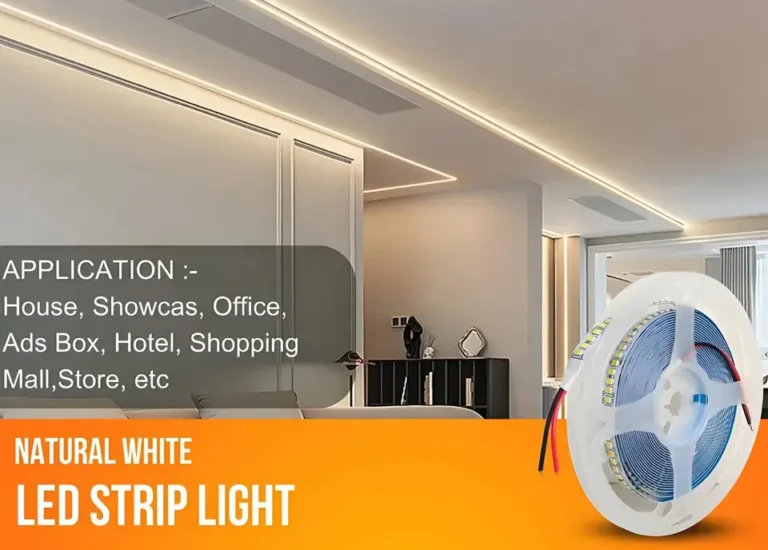
1.Residential Lighting: Under-cabinet lighting, cove lighting, and accent lighting are just a few examples of the residential lighting uses that COB LED strips are ideal for.
2. Commercial Lighting: COB LED strips are perfect for use in commercial lighting fixtures in establishments like restaurants, hotels, and retail shops. They deliver superior lighting with accurate color rendering and even light distribution.
3. Industrial Lighting: COB LED strips are appropriate for lighting industrial spaces like factories, warehouses, and manufacturing plants. They are perfect for applications requiring strong brightness because they have a high lumen output.
Conclusion
A fresh and creative approach to LED lighting, COB LED strips are swiftly gaining popularity. COB LED strips have advantages over conventional LED strips in terms of heat dissipation, uniform light output, lumen output, longevity, and energy efficiency. They can be used for both home and commercial lighting purposes. A COB LED strip can be your best choice if you’re seeking for a more effective and durable lighting solution.
Related Posts