English
  简体中文
简体中文  Deutsch
  Español
  Français
  Italiano
  日本語
日本語  한국어
한국어  Polski
  Português
  Русский
  Türkçe
  Nederlands
  Tiếng Việt
  ไทย
ไทย 
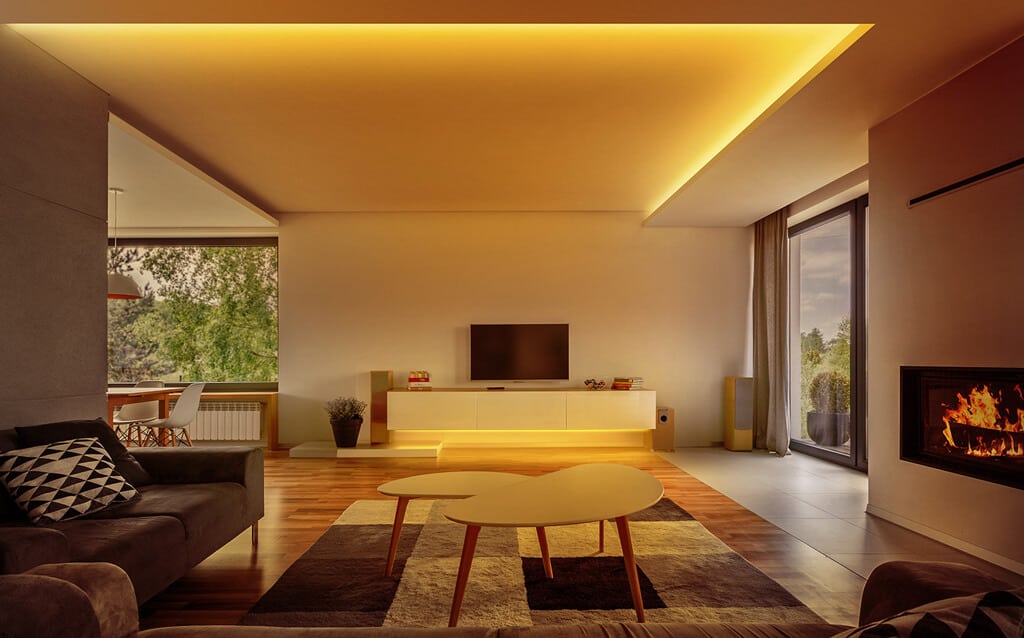
Selecting between the 3000K and 4000K alternatives for LED lighting for your house might be challenging. When choosing the best lights for your needs, it’s critical to understand how they differ despite the fact that both offer excellent illumination and energy savings. We examine the advantages of every kind of LED light in our guide to assist you in making a wise choice.
Recognize the Kelvin Color System
Knowing how 3000K and 4000K LED lights are grouped on the Kelvin color scale is crucial to comprehending the distinctions between them. Based on temperature, the Kelvin scale measures light color and goes from warm yellow tones (2700K) to blue-white hues (6500K). 4000K lights generate a cool white tone, while 3000K lights have a bright, warm yellow tone.
Compare the Ambient Effects
When deciding between 3000K and 4000K LED lights, it’s crucial to take your home’s climate into account. For instance, 4000K LED lights may create a brighter, cleaner environment in a space, while 3000K LED lights may create a comfortable, soothing feeling. When designing the ideal house lighting solution, it’s crucial to keep in mind that the decision between an orange or bluish hue ultimately boils down to personal preference. There are no right or wrong answers.
Examine Light Output and Energy Conservation
It’s crucial to think about how different 3000K and 4000K LED lights will affect the ambiance in your house before making your decision. For instance, 4000K LED lights may create a brighter, cleaner environment in a space, while 3000K LED lights may create a comfortable, soothing feeling. When designing the ideal house lighting solution, it’s crucial to keep in mind that the decision between an orange or bluish hue ultimately boils down to personal preference. There are no right or wrong answers.
Selecting the Proper LED Fixture
Choosing the appropriate fixture for your home lighting project is crucial if you want to get the most out of your 3000K or 4000K LED lights. When selecting an LED fixture, there are a few fundamental things to take into account, like the size of the area you intend to use it in, how the LEDs will be hung, and how much light coverage you require. Before making your purchase, it’s also crucial to confirm that the fixture can hold all of the bulbs at once.
Think About Your Timetable & Budget
It’s crucial to consider your budget while choosing between 3000K and 4000K LED lights. Depending on the model you select, the cost of the light fixture and bulbs may vary even if both options have a lengthy lifespan. Think about how long the fixture installation will take as well as if you can do it yourself or whether you need to pay someone to do it. You may choose the ideal LED lighting option for your needs by considering these variables, which will also help you limit down your options.
Related Posts