Tiếng Việt
  English
  简体中文
简体中文  Deutsch
  Español
  Français
  Italiano
  日本語
日本語  한국어
한국어  Polski
  Português
  Русский
  Türkçe
  Nederlands
  ไทย
ไทย 
Nếu bạn đang tìm nguồn cung ứng hoặc lựa chọn đèn LED cho ánh sáng kiến trúc, chiếu sáng thương mại hoặc các dự án mặt tiền truyền thông, bạn có thể tự hỏi mình câu hỏi này: “Chính xác thì một DMX có thể kiểm soát bao nhiêu dải LED?”
“512 kênh” - Mặc dù đúng về mặt kỹ thuật, câu trả lời ngắn này hầu như vô dụng trong kỹ thuật thực tế. Câu trả lời thực sự phụ thuộc vào nhiều yếu tố: dải đèn LED của bạn là RGB hay RGBW, liệu chúng có sử dụng điều khiển pixel, loại bộ giải mã bạn đang sử dụng và cách bạn chỉ định địa chỉ.
One DMX Universe cung cấp 512 kênh điều khiển. Nhưng một dải RGB sử dụng 3 kênh cho mỗi lần cố định, một dải RGBW sử dụng 4 kênh và một dải pixel có thể tiêu thụ hàng trăm kênh chỉ trong một mét. Sự khác biệt giữa việc kiểm soát các thiết bị 170 RGB và chỉ kiểm soát một dải pixel là rất lớn - hiểu được sự khác biệt này là ranh giới giữa một dự án cài đặt được quy hoạch tốt và một cơn ác mộng gỡ lỗi.
Hướng dẫn này cung cấp các công thức tính toán hoàn chỉnh, các ví dụ dự án thực tế và các khuyến nghị kỹ thuật để giúp bạn tính toán chính xác các yêu cầu của DMX Universe. Cho dù bạn đang lên kế hoạch chiếu sáng văn phòng, chiếu sáng khách sạn hay mặt tiền truyền thông quy mô lớn, bạn sẽ bỏ đi với một phương pháp rõ ràng - không chỉ là một con số. Nếu bạn muốn tìm hiểu thêm, vui lòng truy cập Hệ thống đèn LED DMX.
Vũ trụ DMX là gì?
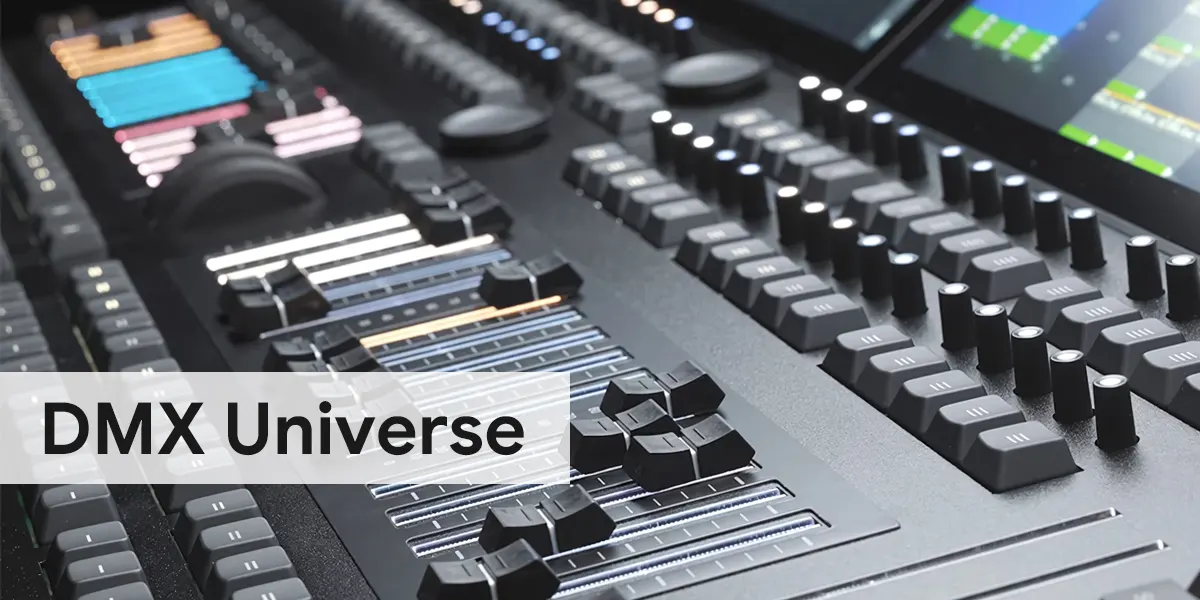
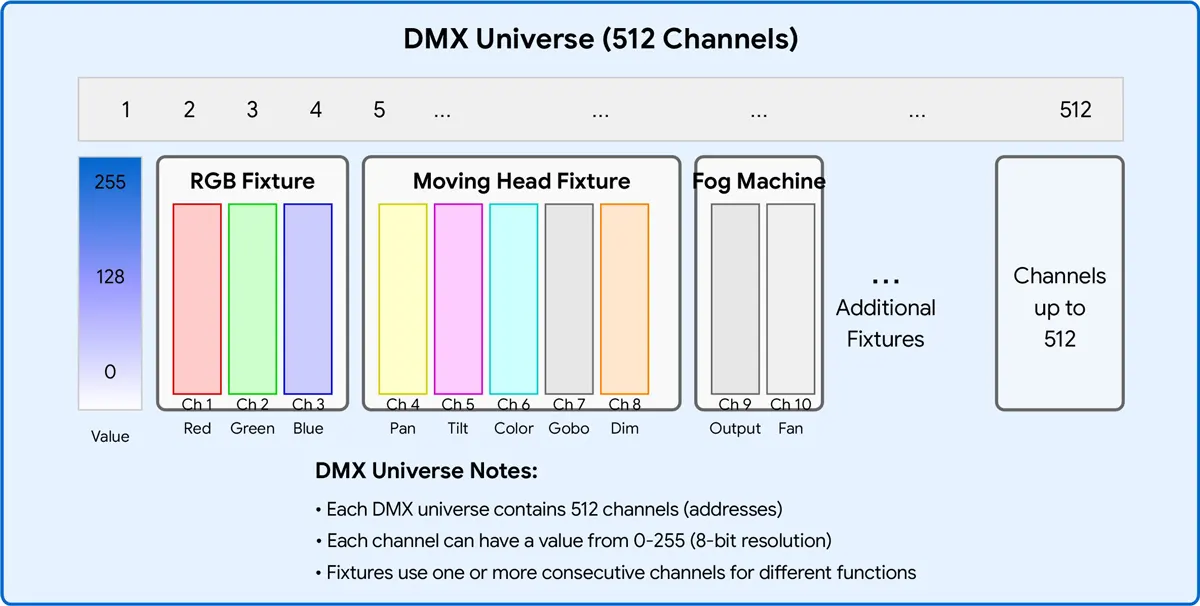
Một vũ trụ DMX về cơ bản là một dòng dữ liệu duy nhất có thể mang tới 512 kênh điều khiển độc lập. Mỗi kênh gửi một giá trị từ 0 đến 255 (độ phân giải 8 bit) để kiểm soát một thuộc tính của đèn điện - độ sáng, cường độ màu hoặc hiệu ứng cụ thể.
Hãy nghĩ về nó theo cách này:
- vũ trụ = một cáp dữ liệu (một dòng DMX)
- ống thông hơi = một giá trị điều khiển duy nhất (ví dụ: cường độ màu đỏ)
- cách nói chuyện = Kênh bắt đầu được gán cho một bộ đèn cụ thể
- người giải mã = Thiết bị chuyển đổi dữ liệu DMX thành tín hiệu PWM cho dải LED
Tất cả các thiết bị tuân thủ tiêu chuẩn DMX512 đều chia sẻ giới hạn 512 kênh này. Khi bạn vượt quá 512 kênh, bạn cần thêm một vũ trụ khác - thường được triển khai thông qua các giao thức ART-NET hoặc SACN qua Ethernet hoặc bằng cách thêm cổng đầu ra DMX thứ hai trên bộ điều khiển của bạn.
luồng dữ liệu: DMX Controller -> Universe (512 kênh) -> Địa chỉ (kênh bắt đầu) -> Bộ giải mã -> Dải LED.
Tại sao One DMX Universe chỉ có 512 kênh?
Giao thức DMX512 được phát triển vào năm 1986 bởi USitt (Viện Công nghệ Sân khấu Hoa Kỳ) để thay thế các hệ thống điều khiển tương tự 0-10V cũ hơn. “512” trong tên đến từ số lượng kênh tối đa mà một gói DMX có thể mang - 512 byte dữ liệu, được truyền 44 lần mỗi giây.
Vào thời điểm đó, 512 kênh dường như là quá đủ. Giá đỡ Dimmer, đầu di chuyển và bộ đổi màu chỉ yêu cầu một số ít kênh. Nhưng với sự phát triển bùng nổ của hệ thống đèn LED RGB và mặt tiền phương tiện được điều khiển bằng pixel, giới hạn 512 kênh nhanh chóng trở thành nút thắt cổ chai. Ngày nay, một bức tường LED được ánh xạ điểm ảnh có thể tiêu thụ hàng chục hoặc thậm chí hàng trăm vũ trụ.
Tiêu chuẩn ban đầu được cập nhật vào năm 2008 lên DMX512-A (ANSI E1.11), nhưng giới hạn 512 kênh cho mỗi vũ trụ vẫn không thay đổi. Giải pháp rất đơn giản: sử dụng nhiều vũ trụ.
Cấu trúc gói DMX: break -> code start (0x00) -> lên đến 512 khe dữ liệu (kênh) -> mỗi khe = 1 byte (0-255).
Một vũ trụ DMX duy nhất cung cấp 512 kênh điều khiển. Nó có thể kiểm soát bao nhiêu dải LED phụ thuộc hoàn toàn vào số lượng kênh mà mỗi dải yêu cầu:
| Loại kiểm soát | Kênh mỗi lần cố định | Số liệu tối đa trên mỗi vũ trụ |
| màu đơn | 1 | 512 |
| Màu trắng có thể điều chỉnh (CCT) | 2 | 256 |
| rgb | 3 | 170 |
| RGBW | 4 | 128 |
| RGB + CCT / RGBWW | 5 | 102 |
| RGB Pixel (50 pixel) | 150 | 3 |
| RGB pixel (100 pixel) | 300 | 1 |
| RGB Pixel (170 pixel) | 510 | 1 |
Đối với các dải RGB, mỗi vũ trụ có thể kiểm soát tới 170 thiết bị định địa chỉ riêng (sử dụng 510 kênh). Các dải được điều khiển bằng pixel tiêu thụ nhiều kênh hơn đáng kể, do đó, số lượng đồ đạc trên mỗi vũ trụ giảm đáng kể.
Cách các kênh DMX được chỉ định
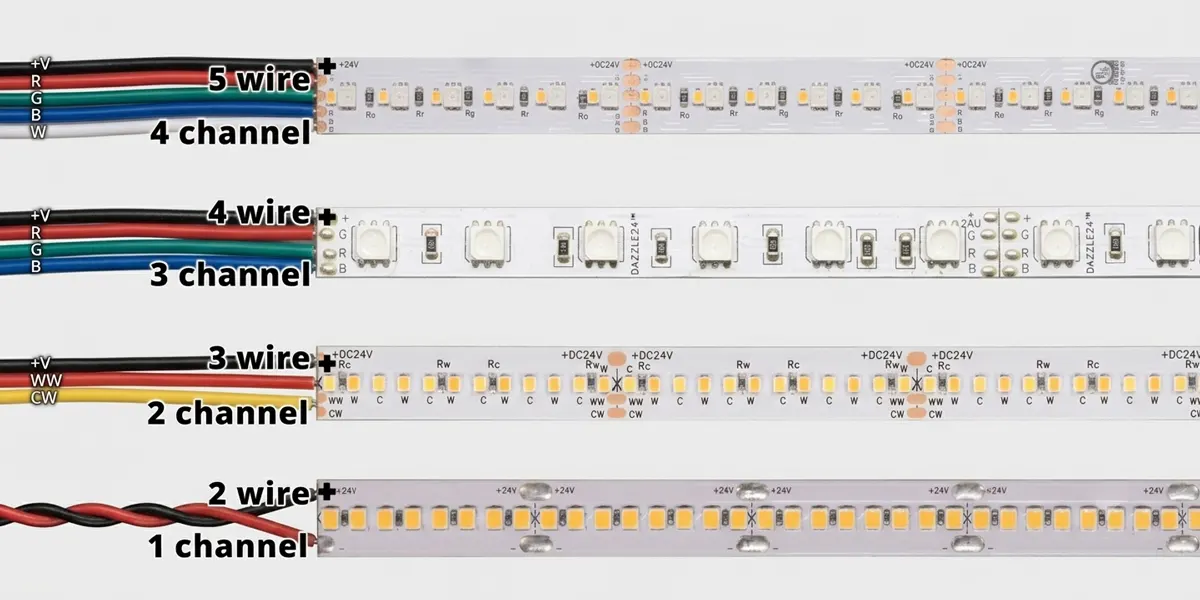
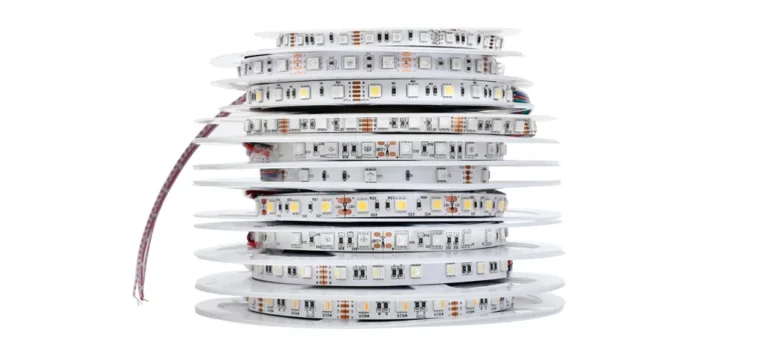
Các loại khác nhau của Dải đèn LED DMX yêu cầu số lượng kênh khác nhau. Đây là phân tích:
Dải đèn LED đơn màu
Kênh: 1
Phương pháp điều khiển: Chỉ làm mờ
Ví dụ: Một dải 24V đơn màu được nối với bộ giải mã DMX 1 kênh. Kênh 1 điều khiển độ sáng từ 0% đến 100%.
Dải LED trắng (CCT)
Kênh: 2
Phương pháp điều khiển: Trắng ấm + Trắng mát
Ví dụ: Kênh 1 = cường độ trắng ấm, kênh 2 = cường độ trắng mát. Trộn hai đạt được màu trắng có thể điều chỉnh được từ 2700k đến 6500k.
Dải đèn LED RGB
Kênh: 3
Phương pháp điều khiển: Đỏ + Xanh lá cây + Xanh mờ
Ví dụ: Kênh 1 = màu đỏ, kênh 2 = màu xanh lá cây, kênh 3 = màu xanh lam. Trộn ba màu tạo ra hàng triệu màu sắc.
Dải LED RGBW
Kênh: 4
Phương pháp điều khiển: Đỏ + Xanh lá + Xanh dương + Trắng mờ
Ví dụ: Thêm một kênh trắng chuyên dụng giúp loại bỏ sự cần thiết phải pha màu để đạt được ánh sáng trắng tinh khiết.
RGB + CCT (RGBWW) dải đèn LED
Kênh: 5
Phương pháp điều khiển: Đỏ + Xanh lá + Xanh lam + Trắng ấm + Trắng sáng
Ví dụ: Kiểm soát đầy đủ màu sắc cộng với màu trắng có thể điều chỉnh - lý tưởng cho các khách sạn và môi trường bán lẻ, nơi cần có màu sắc rực rỡ và ánh sáng trắng chính xác.
Dải LED điều khiển điểm ảnh
Kênh trên mỗi điểm ảnh: 3 (RGB) hoặc 4 (RGBW)
Phương pháp điều khiển: Mỗi nhóm đèn LED hoặc pixel có thể định địa chỉ riêng
Ví dụ: Một dải RGB 100 pixel sử dụng 100 x 3 = 300 kênh - chỉ để lại 212 kênh còn lại trong vũ trụ đó.
Lưu ý quan trọng: Một số bộ giải mã hỗ trợ làm mờ 16 bit, tăng gấp đôi số kênh trên mỗi màu (ví dụ: RGB đi từ 3 đến 6 kênh). Điều này cung cấp độ sáng mượt mà hơn ở mức độ sáng thấp, nhưng giảm một nửa số lượng đồ đạc trên mỗi vũ trụ.
Cách tính số dải LED tối đa trên mỗi vũ trụ
Công thức tính
Số lượng đồ đạc tối đa = [ 512 ÷ kênh mỗi trận đấu]
(trong đó [] biểu thị “làm tròn xuống số nguyên gần nhất”).
Ví dụ 1: RGB dải
- 512/3 = 170,67 → 170 (sử dụng 510 kênh, để lại 2 kênh không sử dụng)
Ví dụ 2: RGBW dải
- 512/4 = 128 → 128 đồ đạc (tất cả 512 kênh được sử dụng)
Ví dụ 3: RGB + CCT dải
- 512/5 = 102.4 → 102 đồ đạc (sử dụng 510 kênh, để lại 2 kênh không sử dụng)
Ví dụ 4: dải pixel (50 pixel, RGB)
- 50 x 3 = 150 kênh mỗi dải
- 512/150 = 3,41 → 3 dải (sử dụng 450 kênh)
Ví dụ 5: dải pixel (100 pixel, RGBW)
- 100 x 4 = 400 kênh mỗi dải
- 512/400 = 1,28 → 1 dải (sử dụng 400 kênh, để lại 112 không sử dụng)
Nguyên tắc ngón tay: Một vật cố định phải nằm hoàn toàn trong một vũ trụ. Bạn không thể chia một vật cố định trên hai vũ trụ. Nếu một vật cố định yêu cầu 5 kênh và vũ trụ hiện tại chỉ còn lại 3 kênh, thì vật cố định đó phải bắt đầu ở vũ trụ tiếp theo.
Bảng so sánh công suất DMX
| Loại ánh sáng | Kênh mỗi lần cố định | Số liệu tối đa trên mỗi vũ trụ | Kênh đã sử dụng |
| màu đơn | 1 | 512 | 512 |
| Màu trắng có thể điều chỉnh (CCT) | 2 | 256 | 512 |
| rgb | 3 | 170 | 510 |
| RGBW | 4 | 128 | 512 |
| RGB + CCT / RGBWW | 5 | 102 | 510 |
| RGB Pixel (50 pixel) | 150 | 3 | 450 |
| RGB pixel (100 pixel) | 300 | 1 | 300 |
| RGB Pixel (128 pixel) | 384 | 1 | 384 |
| RGB Pixel (170 pixel) | 510 | 1 | 510 |
| RGBW pixel (50 pixel) | 200 | 2 | 400 |
| RGBW Pixel (100 pixel) | 400 | 1 | 400 |
| RGBW Pixel (128 pixel) | 512 | 1 | 512 |
Bảng này đóng vai trò là hướng dẫn tham khảo nhanh cho bất kỳ dự án nào - chúng tôi khuyên bạn nên đánh dấu trang dự án.
Nghiên cứu điển hình 1: Chiếu sáng văn phòng - 64 dải RGBW
Mỗi cố định: 4 kênh
Tổng số kênh: 64 x 4 = 256
Yêu cầu vũ trụ: 256/512 = 0,5 → 1 vũ trụ (tốt trong khả năng)
Nghiên cứu điển hình 2: Chiếu sáng khách sạn - 96 dải trắng có thể điều chỉnh được
Mỗi cố định: 2 kênh
Tổng số kênh: 96 x 2 = 192
Yêu cầu vũ trụ: 192/512 = 0,375 → 1 vũ trụ (nhiều khoảng không để mở rộng trong tương lai)
Nghiên cứu điển hình 3: Chiếu sáng mặt tiền tòa nhà - Ống neon 200m Pixel (60 pixel / m, RGB)
Tổng số điểm ảnh: 200 x 60 = 12.000 pixel
Tổng số kênh: 12.000 x 3 = 36.000 kênh
Yêu cầu vũ trụ: 36,000 / 512 = 70,31 → 71 Vũ trụ
Khuyến nghị kỹ thuật: Các dự án như vậy thường truyền qua ART-NET hoặc SACN qua Ethernet hơn là cáp DMX vật lý.
Nghiên cứu điển hình 4: Mặt tiền phương tiện - 1.000 pixel RGB (các vật cố định có thể định địa chỉ riêng lẻ)
Tổng số kênh: 1.000 x 3 = 3.000
Yêu cầu vũ trụ: 3.000 / 512 = 5,86 → 6 vũ trụ
Những sai lầm phổ biến trong quy hoạch vũ trụ DMX
| ❌ Sai lầm | ✅ Cách tiếp cận đúng |
| Đếm đồ đạc thay vì các kênh | Luôn tính tổng các kênh, sau đó chia cho 512 |
| Quên RGBW sử dụng 4 kênh | RGBW không phải là RGB — đừng giả sử 3 kênh |
| Bỏ qua các kênh dành riêng | Một số bộ giải mã dành riêng cho các kênh hoặc sử dụng “địa chỉ bắt đầu” bỏ qua các kênh |
| Trộn các chế độ cố định khác nhau | Các đồ đạc khác nhau với số lượng kênh khác nhau làm phức tạp hóa địa chỉ — các vùng lập kế hoạch riêng biệt |
| Quá tải một vũ trụ | Giữ mức sử dụng dưới 80% để mở rộng và khắc phục sự cố trong tương lai |
| Quên lập kế hoạch mở rộng | Luôn để lại ít nhất 10–20% dung lượng kênh để thay đổi |
Khi nào bạn nên thêm một vũ trụ DMX khác?
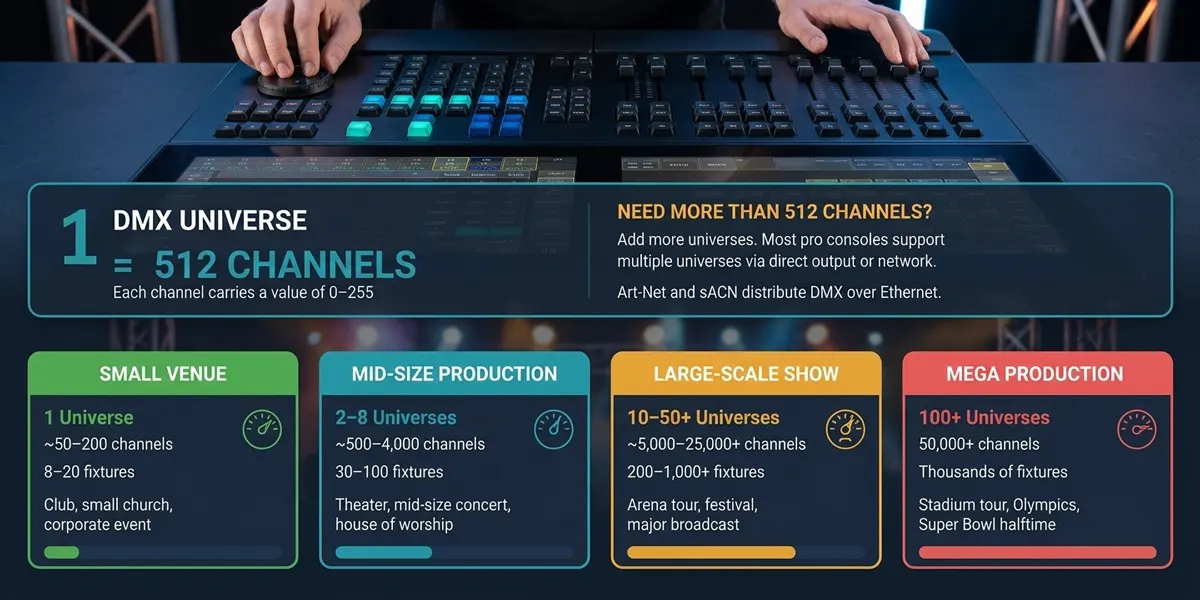
Bạn nên thêm một vũ trụ mới khi mức sử dụng kênh của bạn vượt quá khoảng 70-80% (360-410 kênh).
lý do:
- Bạn sẽ có chỗ cho việc mở rộng trong tương lai mà không cần thiết kế lại toàn bộ sơ đồ phân bổ địa chỉ của mình.
- Khắc phục sự cố dễ dàng hơn khi các vũ trụ không được đóng gói đầy đủ.
- Quá nhiều thiết bị trên một đường dây có thể làm suy giảm độ ổn định của tín hiệu DMX (giới hạn điện: tối đa 32 thiết bị trên mỗi đường).
Quy tắc thực tế: Nếu số lượng kênh của bạn đạt 400 trở lên, bạn nên bắt đầu lập kế hoạch cho một vũ trụ thứ hai. Sử dụng ART-NET hoặc SACN giúp bạn dễ dàng vượt qua giới hạn DMX vật lý.
Cách mở rộng quy mô cho nhiều vũ trụ
Việc mở rộng vượt quá 512 kênh thực sự khá đơn giản:
- Bộ chia DMX / Bộ lặp tín hiệu: Phân phối một tín hiệu DMX Universe trên nhiều đường vật lý (lưu ý: điều này không làm tăng số lượng kênh - nó chỉ tăng cường độ tín hiệu).
- Các nút mạng nghệ thuật: Chuyển đổi giao thức ART-NET dựa trên Ethernet sang đầu ra DMX vật lý. Mỗi nút ART-NET có thể xuất ra nhiều vũ trụ. ART-NET 4 hỗ trợ lên đến 32.768 vũ trụ.
- SACN (E1.31): Truyền trực tuyến ACN - một tiêu chuẩn mở để truyền DMX qua mạng IP. Hỗ trợ lên đến 64.000 vũ trụ và là giải pháp ưu tiên cho các cài đặt cố định.
- Bộ điều khiển DMX đa cổng: Một số bộ điều khiển được trang bị nhiều cổng đầu ra DMX vật lý - mỗi cổng là một vũ trụ.
- RDM (Quản lý thiết bị từ xa): Cho phép giao tiếp hai chiều để giải quyết và phản hồi trạng thái - hữu ích để quản lý các hệ thống đa vũ trụ lớn.
Chọn bộ giải mã DMX phù hợp cho dự án của bạn
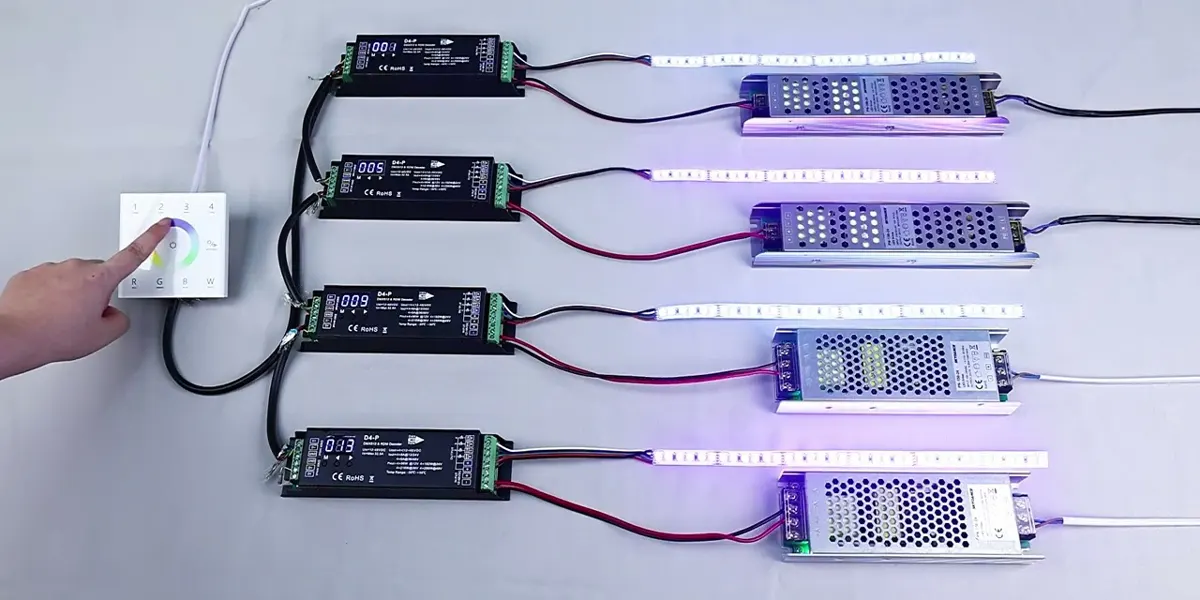
Việc chọn đúng bộ giải mã cũng quan trọng như việc tính toán số lượng kênh một cách chính xác. Các cân nhắc chính bao gồm:
| Loại bộ giải mã | tốt nhất cho | đường thuộc phòng phiếu |
| Bộ giải mã CV 1 kênh | làm mờ một màu | 1 |
| Bộ giải mã CV 3 kênh | RGB phối màu | 3 |
| Bộ giải mã CV 4 kênh | RGBW pha trộn màu | 4 |
| Bộ giải mã CV 5 kênh | RGB + CCT / RGBWW | 5 |
| Bộ giải mã DMX-to-SPI | Dải điều khiển bằng điểm ảnh | Biến (trên mỗi pixel) |
Các yếu tố bổ sung cần xem xét khi chọn bộ giải mã:
- Tín hiệu ổn định: Tìm kiếm các mô hình cách ly điện và xử lý tín hiệu DMX đáng tin cậy - đặc biệt quan trọng đối với hệ thống cáp đường dài.
- Tần số PWM: Tần số cao hơn (> = 2 kHz) ngăn chặn sự nhấp nháy có thể nhìn thấy, điều này đặc biệt quan trọng đối với môi trường sẵn sàng cho máy ảnh.
- Độ phân giải mờ: Làm mờ 16-bit cho phép điều khiển mượt mà hơn ở mức độ sáng thấp.
- Tính năng bảo vệ: Bảo vệ quá dòng, bảo vệ ngắn mạch, và bảo vệ quá nhiệt đảm bảo độ tin cậy lâu dài.
SigniLited cung cấp đầy đủ các bộ giải mã DMX, từ 1 kênh đến 16 kênh, bao gồm cả hai tùy chọn điện áp không đổi (CV) và dòng điện không đổi (CC). Bộ giải mã của chúng tôi hỗ trợ làm mờ 8 bit và 16 bit, nhiều tần số PWM và chọn các mô hình hỗ trợ định địa chỉ từ xa RDM. Ghé thăm của chúng tôi bộ giải mã DMX Để biết thông số kỹ thuật chi tiết và hỗ trợ kỹ thuật.
Tại sao chọn Signiteled cho các dự án chiếu sáng DMX lớn
Signelited không chỉ là một nhà cung cấp - chúng tôi là đối tác kỹ thuật kỹ thuật cho Hệ thống chiếu sáng DMX. Ưu điểm của chúng tôi bao gồm:
- Hỗ trợ thiết kế hệ thống DMX đa vũ trụ: Chúng tôi giúp bạn tính toán các yêu cầu kênh, phân bổ địa chỉ kế hoạch và cung cấp các đề xuất phần cứng cho các dự án từ 1 đến 100+ vũ trụ.
- Dải đèn LED DMX kiến trúc: Các dải của chúng tôi có sẵn các cấu hình màu trắng, RGB, RGB, RGB + và RGB + CCT có thể tùy chỉnh, với độ dài tùy chỉnh và xếp hạng IP.
- Bộ giải mã và bộ điều khiển DMX: Từ bộ giải mã 1 kênh đến 16 kênh, bao gồm các tùy chọn CV và CC, với hỗ trợ RDM và 16-bit làm mờ.
- Tùy chỉnh OEM / ODM: Chúng tôi sản xuất theo thông số kỹ thuật chính xác của bạn - thiết kế PCB tùy chỉnh, đầu nối, xếp hạng công suất và bao bì.
- Lập kế hoạch kênh và phân bổ địa chỉ Hỗ trợ kỹ thuật: Nhóm kỹ thuật của chúng tôi hỗ trợ phân bổ địa chỉ DMX, lập kế hoạch vũ trụ và tích hợp hệ thống.
- Tài liệu và hướng dẫn dây: Chúng tôi cung cấp sơ đồ đấu dây rõ ràng, hướng dẫn phân bổ địa chỉ và danh sách kiểm tra vận hành để đảm bảo cài đặt trơn tru.
Phần kết luận
Một vũ trụ DMX duy nhất cung cấp 512 kênh - nhưng số lượng dải LED chính xác mà nó có thể điều khiển phụ thuộc hoàn toàn vào loại vật cố định của bạn:
- màu đơn: 512 đồ đạc
- Màu trắng có thể điều chỉnh (CCT): 256 đồ đạc
- rgb: 170 đồ đạc
- RGBW: 128 đồ đạc
- RGB + CCT: 102 đồ đạc
- dải pixel: 1-3 dải (tùy thuộc vào số điểm ảnh)
Bài học rút ra chính: Lập kế hoạch theo kênh, không phải theo số lượng cố định. Tuân theo quy tắc 80% (dự phòng để mở rộng) và không bao giờ vượt quá 512 kênh cho mỗi vũ trụ. Đối với các dự án lớn, Art-Net và SACN cung cấp khả năng mở rộng đa vũ trụ liền mạch.
Cho dù bạn đang thiết kế văn phòng, khách sạn, mặt tiền xây dựng hay tường truyền thông - phương pháp tính toán cũng đơn giản không kém - và bây giờ bạn có công thức, bảng so sánh và ví dụ thực tế để làm đúng ngay lần đầu tiên.
hỏi Ẩn
Bài viết liên quan