English
  简体中文
简体中文  Deutsch
  Español
  Français
  Italiano
  日本語
日本語  한국어
한국어  Polski
  Português
  Русский
  Türkçe
  Nederlands
  Tiếng Việt
  ไทย
ไทย 
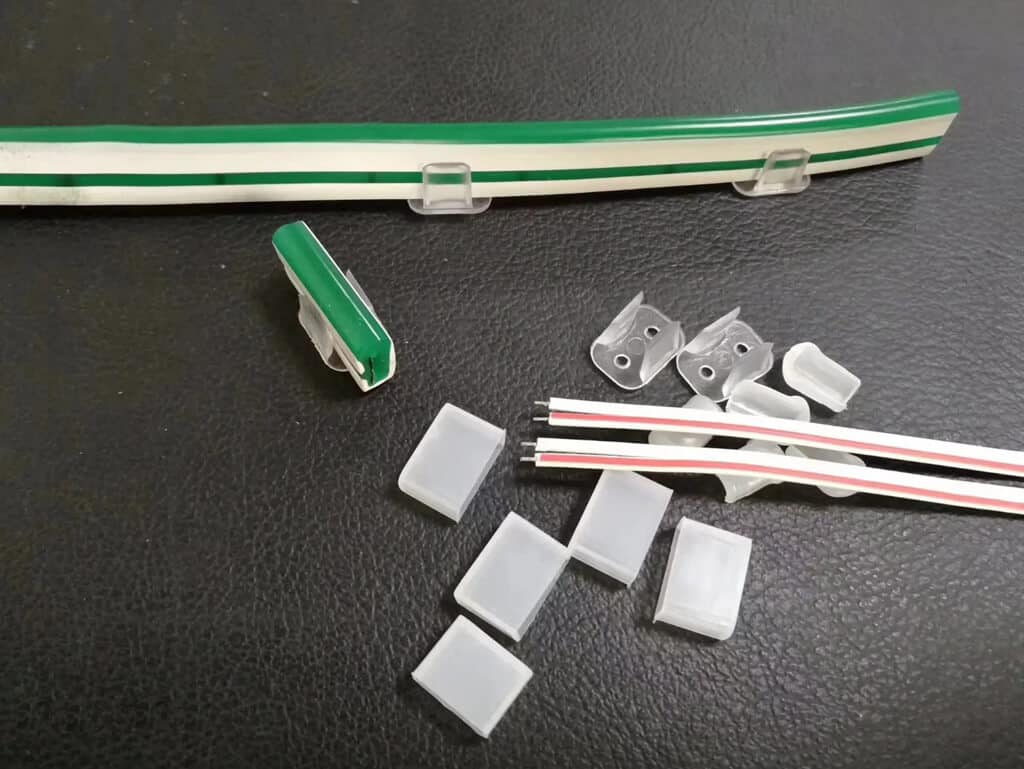
A common lighting option that has several benefits over conventional glass neon lights is LED Neon Flex. It is a well-liked option for many lighting applications due to its adaptable design, energy economy, and simplicity of installation. However, it’s crucial to have the appropriate accessories if you want to make the most of your LED Neon Flex. We’ll talk about the gear your LED Neon Flex needs in this blog post.
Power Source
A power supply is the first component your LED Neon Flex will require. Your outlet’s AC electricity is changed into DC power by the power supply so that your LED Neon Flex can utilise it. Since using the improper power source can harm your lights, it is crucial to select a power supply that is compatible with your LED Neon Flex. When selecting a power source, take into account the voltage and current demands of your LED Neon Flex as well as the power supply’s maximum output.
Mounting Supports
Adding mounting brackets to your LED Neon Flex is a crucial accessory. You can install your LED Neon Flex to a surface, such as a wall or ceiling, using mounting brackets. They can be used to construct a multitude of mounting combinations and are available in a variety of sizes and shapes. The size, weight, and mounting surface of your LED Neon Flex should all be taken into account when selecting a mounting bracket.
Final Caps
Your LED Neon Flex’s ends are protected by end covers. They aid in preventing debris and dust from entering the jacket, which could harm the LED lights. End caps are available in a range of shapes and sizes, and they may be utilized to give your LED Neon Flex installation a neat and polished look.
Connectors
Multiple LED Neon Flex parts are joined together using connectors. They are available in many different designs, such as T-connections, L-connectors, and straight connectors. Connectors are necessary for connecting longer portions of LED Neon Flex together as well as for forming unique designs and shapes.
Controllers
Your LED Neon Flex’s color and brightness can be adjusted using controllers. They come in a range of designs, such as wall-mounted and remote controllers. For the creation of dynamic lighting effects, such as color-changing or dimming effects, controllers are crucial. The amount of channels it supports and the kinds of lighting effects it can produce should be taken into account when selecting a controller.
Dimmers
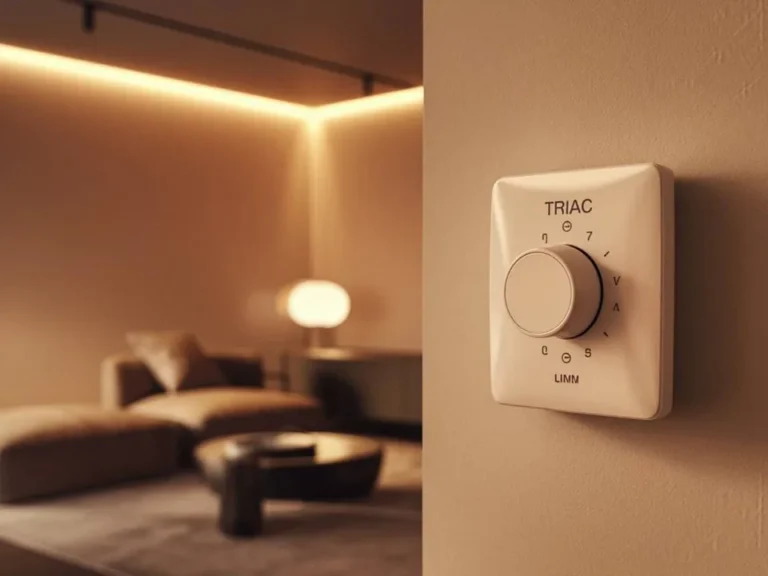
Your LED Neon Flex’s brightness can be adjusted using dimmers. To create a more individualized lighting experience, they can be used to vary the brightness to correspond with the mood or setting. Consider the voltage and current demands of your LED Neon Flex as well as the dimmer’s maximum power output when selecting a dimmer.
In summary, LED Neon Flex is a practical and adaptable lighting option that has numerous benefits over older glass neon lights. However, it’s crucial to have the appropriate accessories if you want to make the most of your LED Neon Flex. Accessories for your LED Neon Flex installation, such as power supply, mounting brackets, end caps, connections, controllers, and dimmers, are crucial. You may make a distinctive lighting display that transforms any area or situation by picking the appropriate accessories.
Related Posts