Signage & LED Strip Lighting Factory Since 2011

Are drivers Required for COB LED Strips?

Are drivers Required for COB LED Strips

LED strips have grown in popularity as a lighting option for both domestic and industrial uses. Since COB LED strips first appeared, there are still some people who are not sure if they need a driver. This post will address this query and offer a thorough examination of COB LED strips and their driver requirements.

What is driver?

An electronic device known as a driver controls the power supply to LED strips. It transforms the source’s electricity into the proper voltage and current needed to power the LEDs. To function, LED strips need a constant current source, thus the driver must deliver a steady stream of power to guarantee the LEDs perform at their peak efficiency.

Are drivers required for COB LED strips?

Like conventional LED strips, COB LED strips require drivers. For them to function well and protect the LEDs, they need a steady, controlled power source. The driver makes sure that the voltage and current range that COB LED strips are designed to function with is maintained. Without the driver, the COB LED strip will not work.

Different COB LED strip drivers

Drivers for COB LED strips come in two flavors: constant current drivers and constant voltage drivers. The voltage and current demands of the COB LED strips determine the type of driver used.

The most popular kind of driver for COB LED strips is constant current. They control the current that is provided to the LEDs, guaranteeing a constant output and avoiding overdriving the LEDs. They are perfect for uses like retail or commercial lighting where uniformity in brightness and color temperature is required.

On the other hand, constant voltage drivers control the voltage provided to the LEDs. They are perfect for situations where the brightness needs to be regulated, like in domestic lighting, and are frequently used for low voltage COB LED strips.

Advantages of using a driver

There are various advantages to using a driver with COB LED strips. First of all, it makes certain that the LEDs function at their best, resulting in a longer lifespan and improved efficiency. Second, it ensures safety by avoiding overvoltage and undervoltage conditions that could result in harm or present a threat to safety. Finally, it enables better control over the LED strip’s brightness and color temperature, resulting in a more personalized lighting solution.

In conclusion, drivers are necessary for COB LED strips to function effectively and securely. The voltage and current demands of the COB LED strips determine the type of driver used. Increased efficiency, safety, and control over the LED strip’s brightness and color temperature are just a few advantages of using a driver with COB LED strips. To ensure optimum performance and the longevity of your LEDs, it is crucial to choose the right driver if you are thinking of using COB LED strips for your lighting application.

custom-led-sign-letterscustom-led-sign-letters
Custom Outdoor LED Sign Letters for Rooftop Installation: A Project Case Study
An Austrian customer ordered 11 illuminated letters and a three-part logo for a rooftop sign. The letters were approximately 400 mm high and 100 mm deep, with frosted acrylic faces, matte-black stainless steel returns and 4000K white lighting. Before fabrication, we worked through the details that were missing from the initial...
LED Neon SignsLED Neon Signs
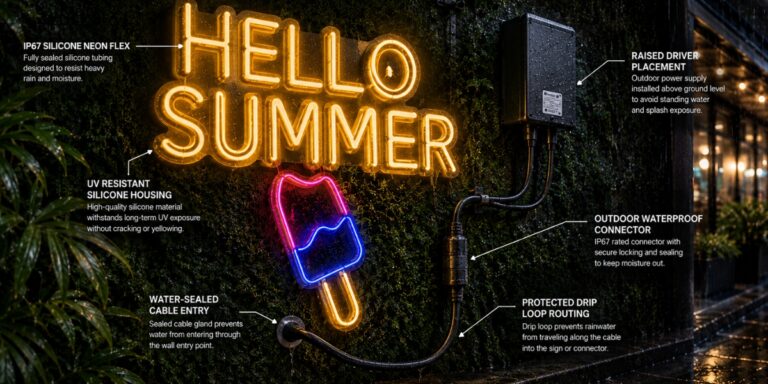
Are LED Neon Signs Safe in Rain and Snow? What Actually Makes an Outdoor Neon Sign Waterproof
Yes, outdoor LED neon signs can operate in rain and snow when they are designed for outdoor installation and matched with the right environmental conditions. However, long-term outdoor reliability usually depends more on waterproof sealing, connector protection, installation method, UV exposure, and power supply placement than the LED strip alone. Many...
led light sheetled light sheet
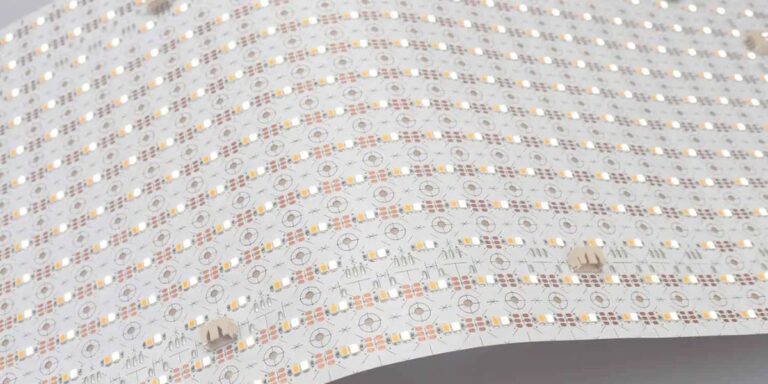
Bulk Buying Guide: What to Look for in a B2B LED Sheet Light Supplier
Bulk purchasing a LED light sheet is not simply a sourcing decision. It is a structured risk assessment that affects lighting consistency, compliance exposure, production scalability, and long-term operational reliability. In B2B procurement, the right supplier must demonstrate measurable technical control, documented certification, repeatable manufacturing processes, and enforceable commercial terms. At...
How-Are-LED-Light-Strips-InstalledHow-Are-LED-Light-Strips-Installed
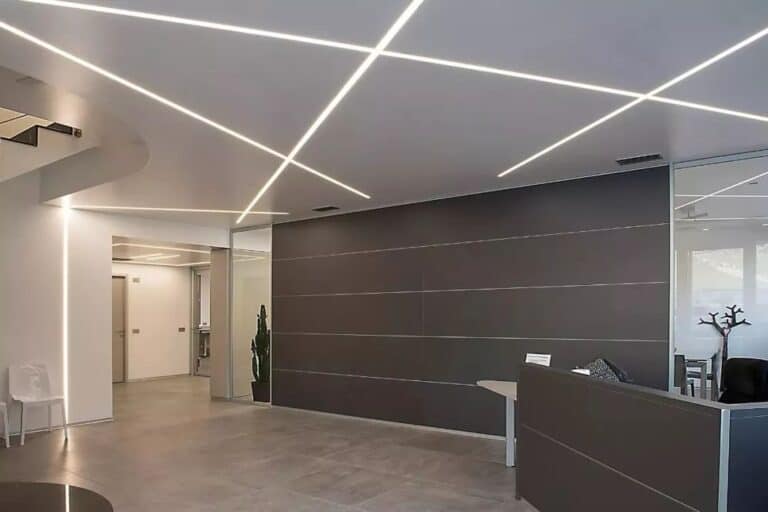
How Are LED Light Strips Installed?
As ceilings get more and more varied in style, so are the kinds of lamps that are installed within our homes. For instance, the lamps in the old houses were essentially chandeliers or ceiling lights. However, if you look at it now, you'll see that light strips, spotlights, and downlights...
How is LED Neon Flex installedHow is LED Neon Flex installed
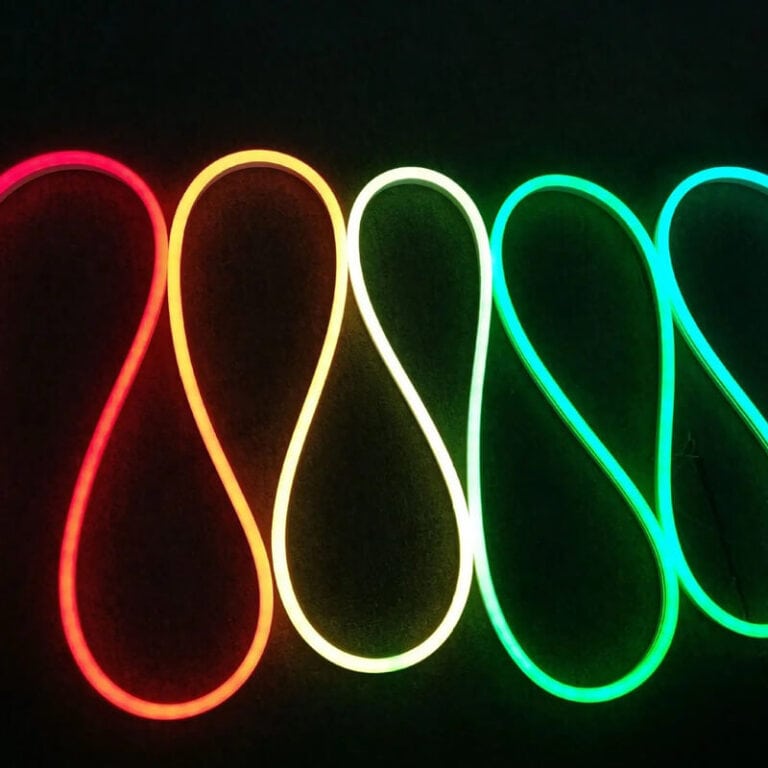
How is LED Neon Flex installed?
An attractive lighting option that provides a flexible and individualized replacement for conventional glass neon lights is LED Neon Flex. It can be made to fit any room and is long-lasting, available in a variety of colors, and energy-efficient. We will examine how to install LED Neon Flex in this...
Four-factors-that-lead-to-the-blackening-of-the-LED-strip-light-sourceFour-factors-that-lead-to-the-blackening-of-the-LED-strip-light-source
Four factors that lead to the blackening of the LED strip light source
1. Vulcanization, Chlorination, Bromination The silver-plated layer on the LED bracket will generate silver sulfide when exposed to sulfur-containing gas, and it will generate light-sensitive silver halide when exposed to acidic nitrogen-containing chlorine and bromine gases, which will cause the light source to turn black and fail. Sulfur/chlorine/bromination of light sources...

Share:

Facebook
Twitter
Pinterest
LinkedIn
Subscribe
Notify of
guest
0 Comments
Oldest
Newest Most Voted
Inline Feedbacks
View all comments

Search SignliteLED Blog

Categories

滚动至顶部

Get a Quote Now