English
  简体中文
简体中文  Deutsch
  Español
  Français
  Italiano
  日本語
日本語  한국어
한국어  Polski
  Português
  Русский
  Türkçe
  Nederlands
  Tiếng Việt
  ไทย
ไทย 
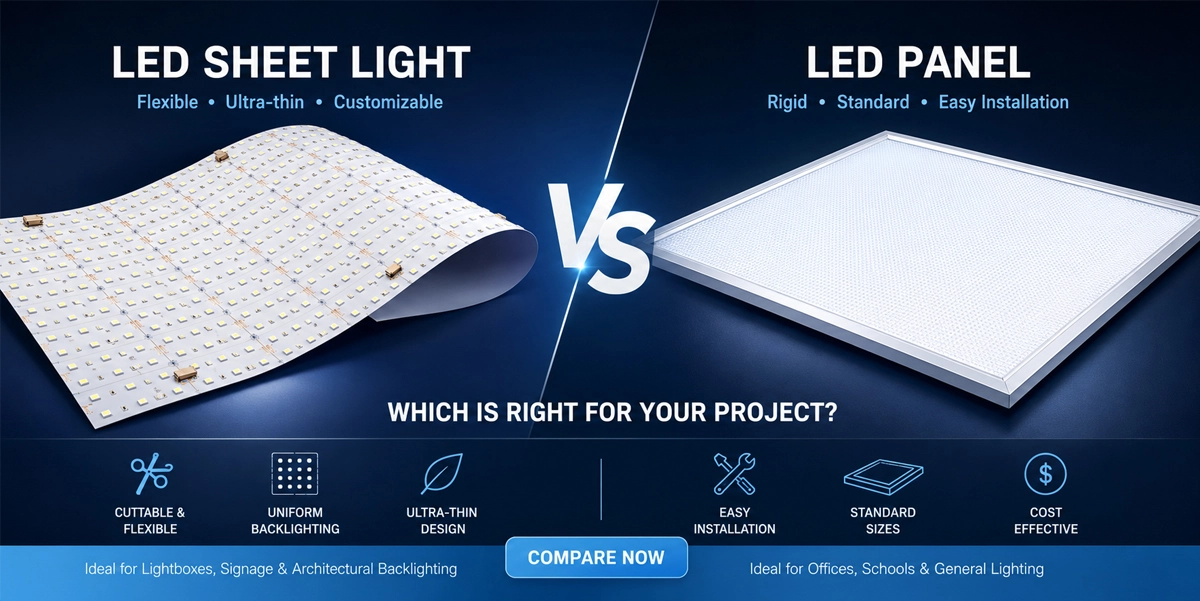
LED sheet light is the preferred solution for uniform backlighting applications such as lightboxes, signage systems, and architectural lighting, while LED panels are mainly designed for standardized ceiling lighting and general indoor illumination.
In practical terms:
LED sheet light is engineered for visual backlighting performance, while LED panel is engineered for functional ceiling lighting efficiency.
This fundamental difference determines how each product performs in real-world projects.
An LED sheet light is an ultra-thin, flexible LED backlighting system designed to deliver seamless, edge-to-edge illumination without visible hotspots or dark zones. It is widely used in lightbox signage, retail displays, illuminated branding, and architectural backlighting applications where visual uniformity is critical.
An LED panel, on the other hand, is a rigid lighting fixture designed for standard ceiling integration in offices, commercial buildings, schools, and public lighting environments, where consistent ambient illumination is more important than design flexibility.
Search Intent & Keyword Focus
This article is designed for users who are comparing LED sheet lights and LED panels for real-world lighting applications, especially in commercial, architectural, and signage projects.
The main search intent behind this topic can be grouped into three categories:
Product Comparison Intent
Users are searching to understand the differences between LED sheet lights and LED panels, including topics such as LED sheet light vs LED panel, flexible LED backlight vs rigid LED panel, and edge-lit vs backlit LED systems.
Application-Based Intent
Users are looking for lighting solutions for specific use cases such as lightbox signage, acrylic or glass backlighting, architectural lighting projects, and LED panel ceiling lighting for commercial spaces.
Procurement & Engineering Intent
Users are evaluating technical and commercial factors such as installation complexity, cost efficiency, customization capability for OEM/ODM projects, and long-term performance in different lighting environments.
Search Coverage Summary
This article covers key search topics including LED sheet light for lightbox applications, flexible LED backlighting systems for signage and architectural use, and LED panel solutions for standardized ceiling and general lighting applications. It also addresses common decision factors such as installation requirements, design flexibility, and cost considerations in commercial lighting projects.
What is LED Sheet Light?
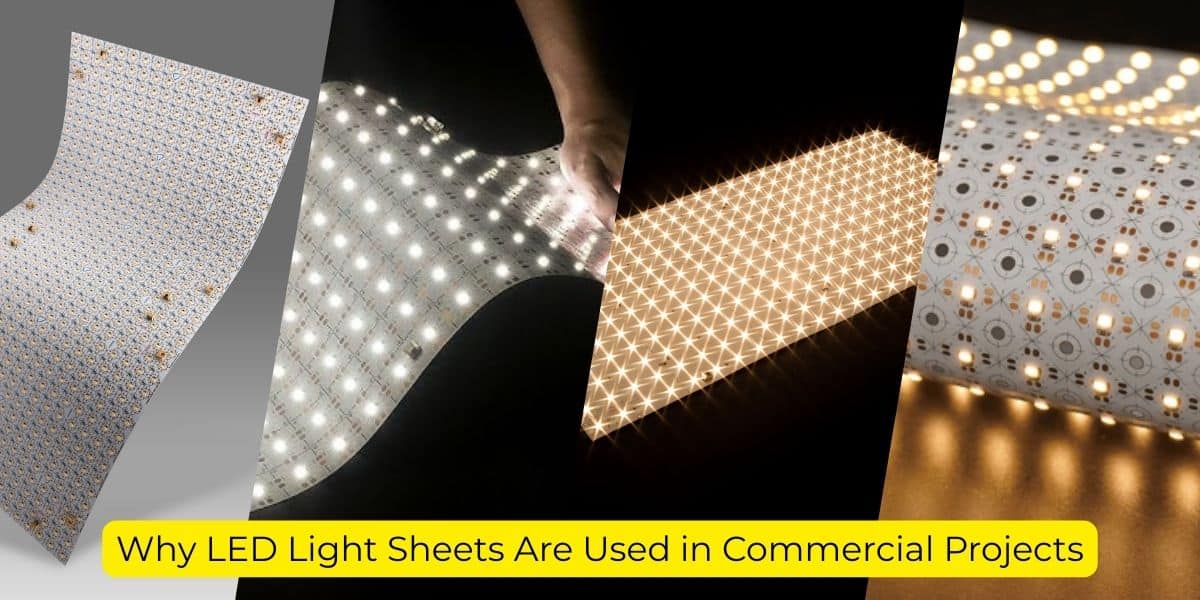
LED sheet light is a flexible LED backlighting system engineered to deliver uniform, edge-to-edge illumination for signage, lightboxes, and architectural lighting applications where visual consistency is critical.
It is widely used in lightbox signage systems, illuminated advertising displays, retail presentation panels, architectural backlighting (such as acrylic, glass, and stone surfaces), and custom OEM lighting structures.
From an engineering perspective, LED sheet lights are designed to solve three core challenges in backlighting systems: eliminating visible hotspots, enabling installation in non-standard shapes, and maintaining consistent brightness across large illuminated surfaces.
Unlike general lighting fixtures, LED sheet lights are specifically optimized for visual backlighting performance rather than general illumination efficiency, making them unsuitable for ceiling lighting but highly effective for display and design-driven applications.
Key Technical Features
- Ultra-thin profile (typically 1–7 mm): ideal for space-limited installations such as lightboxes and slim display structures
- Low-voltage DC operation (12V / 24V): ensures safe, stable, and energy-efficient performance for continuous operation
- Flexible cutting and modular design: allows field customization for irregular shapes, curves, and non-standard layouts
- Uniform LED distribution: ensures consistent brightness from edge to center without hotspots or shadow zones
- Multiple lighting options: available in single white (warm to cool white), tunable white, RGB, and RGBW configurations
LED sheet lights are not designed as a replacement for general lighting systems. Instead, they are purpose-built for visual backlighting applications where uniform light quality, design flexibility, and installation adaptability are more important than raw illumination output.
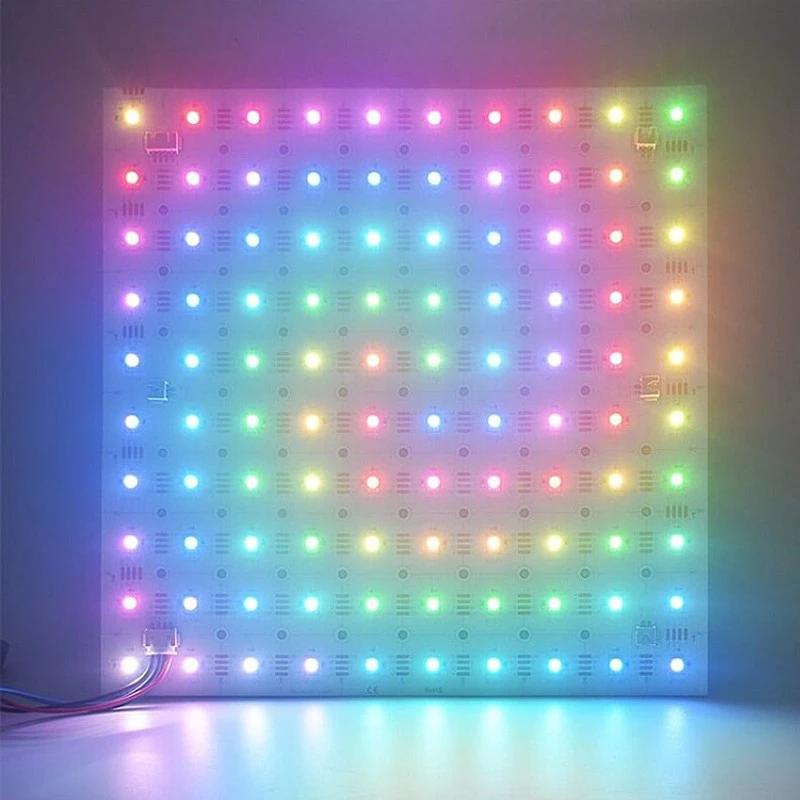
Addressable LED Sheets
Size(LxW): 250mmx250mm
LEDs: 100 pieces 5050 SMD
IC type: Built-in WS2812
IC quantity: 100 pieces
Color: RGBIC
Working voltage: DC 12V
Current: 1.08A
Power: 13W
Luminous flux: 20lm/LED
Wavelength: 620-625nm(red), 520-525nm(Green), 465-470nm(Blue)
Beam angle: 120°
What is LED Panel?

LED panel is a rigid lighting fixture designed for standardized ceiling and general illumination in commercial, institutional, and residential environments.
It is widely used in office buildings, schools, hospitals, retail stores, and public facilities where consistent ambient lighting and fast installation are the primary requirements.
Unlike LED sheet lights, LED panels are manufactured in fixed dimensions and are not designed for cutting, reshaping, or custom structural adaptation. They are typically installed in ceiling grid systems, recessed ceilings, or surface-mounted frames.
From an engineering perspective, LED panels are optimized for uniform ambient lighting efficiency, installation standardization, and cost-effective large-scale deployment, rather than design flexibility or backlighting performance.
Key Technical Features
- Rigid aluminum frame structure: ensures mechanical stability and long service life
- Standardized sizes: commonly 600×600 mm, 300×1200 mm, and similar formats for ceiling compatibility
- AC-powered operation: integrated or external driver for direct connection to building power systems
- Diffused light output: provides soft, glare-free illumination suitable for long working environments
- High installation efficiency: designed for fast deployment in large-scale ceiling systems
LED panels are not intended for decorative or backlighting applications. Instead, they are designed for functional ambient lighting where uniform brightness, energy efficiency, and standardized installation are more important than visual customization or design flexibility.
Key Differences Between LED Sheet Light and LED Panel
The main differences between LED sheet lights and LED panels lie in their structural design, flexibility, installation method, and lighting purpose. While both provide uniform illumination, they are engineered for fundamentally different applications.
LED sheet lights are designed for custom backlighting and visual performance, while LED panels are optimized for standardized ceiling lighting and installation efficiency.
Structural Design
LED sheet lights use a flexible, ultra-thin LED matrix structure that allows cutting, shaping, and adaptation to non-standard layouts.
LED panels use a rigid frame with an integrated diffuser, designed for stability and fixed installation environments.
Flexibility & Customization
LED sheet lights can be freely customized to fit irregular shapes, curved surfaces, and space-constrained installations.
LED panels are fixed in size and cannot be modified, making them suitable only for standardized ceiling systems.
Installation Method
LED sheet lights require custom installation planning, including layout design, power distribution, and mounting solutions.
LED panels are designed for fast, plug-and-play installation in ceiling grid systems or surface-mounted frames.
Lighting Purpose
LED sheet lights are designed for backlighting applications, where light passes through materials such as acrylic, glass, or signage panels.
LED panels are designed for direct ambient lighting, providing illumination for open indoor spaces.
Application Scenarios
- LED sheet light: lightboxes, signage, architectural backlighting, retail displays, custom OEM lighting systems
- LED panel: offices, schools, hospitals, commercial buildings, and general indoor lighting
Design & Engineering Focus
LED sheet lights prioritize uniform brightness, visual quality, and design flexibility.
LED panels prioritize installation efficiency, cost control, and standardized lighting output.
LED Sheet Light vs LED Panel Comparison Table
| Feature | LED Sheet Light | LED Panel | Best Choice |
| Structure | Flexible, ultra-thin LED sheet | Rigid framed panel | Depends |
| Flexibility | Highly customizable, cuttable | Fixed size only | LED Sheet |
| Thickness | 1–7 mm | 10–30 mm | LED Sheet |
| Lighting Type | Backlighting (through material) | Direct ambient lighting | Depends |
| Installation | Custom layout required | Standard ceiling installation | LED Panel |
| Application | Signage, lightbox, architecture | Office, commercial ceiling | Depends |
| Design Freedom | Very high | Low | LED Sheet |
| Cost Efficiency | Medium–high value | Lower cost | LED Panel |
| Scalability | Flexible for large or irregular areas | Limited to fixture size | LED Sheet |
Quick Summary
- If your project requires backlighting or custom design → choose LED sheet light
- If your project requires ceiling lighting or fast installation → choose LED panel

LED Sheet vs LED Panel in Real Applications
The choice between LED sheet lights and LED panels depends primarily on the application scenario. While both provide uniform illumination, their performance and suitability vary significantly depending on how the light is used.
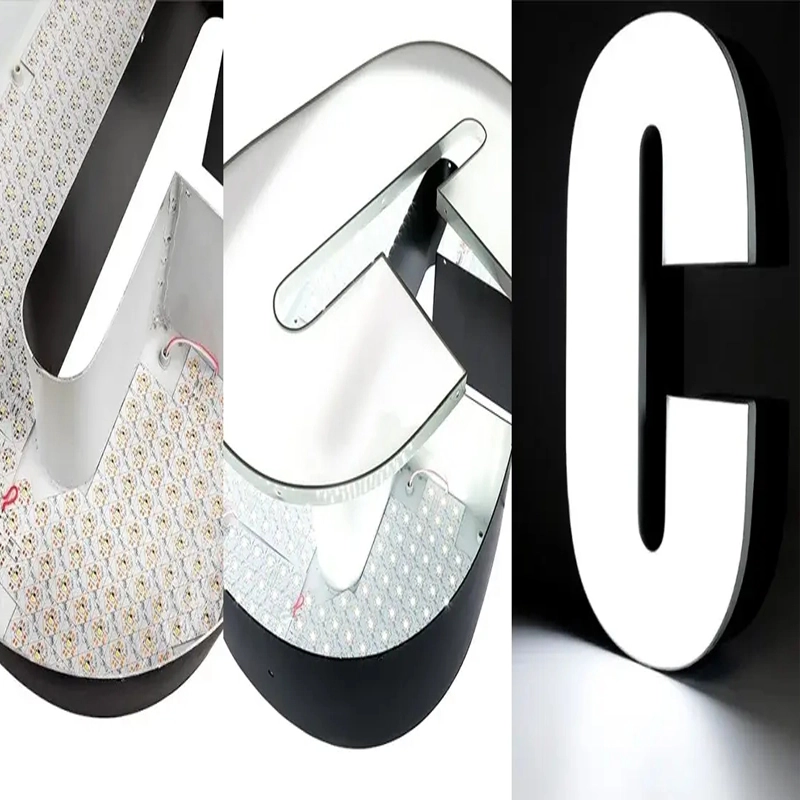
Lightboxes & Signage (Best Choice: LED Sheet Light)
LED sheet light is the preferred solution for lightbox signage and backlit display systems.
Its evenly distributed LED layout ensures uniform brightness across the entire surface, eliminating hotspots and shadow areas that can affect visual quality.
In addition, the flexible and cuttable structure allows precise adaptation to custom shapes, logos, and branding elements.
Conclusion: LED sheet light is the best choice for lightbox, signage, and advertising display applications.
Architectural Backlighting (Best Choice: LED Sheet Light)
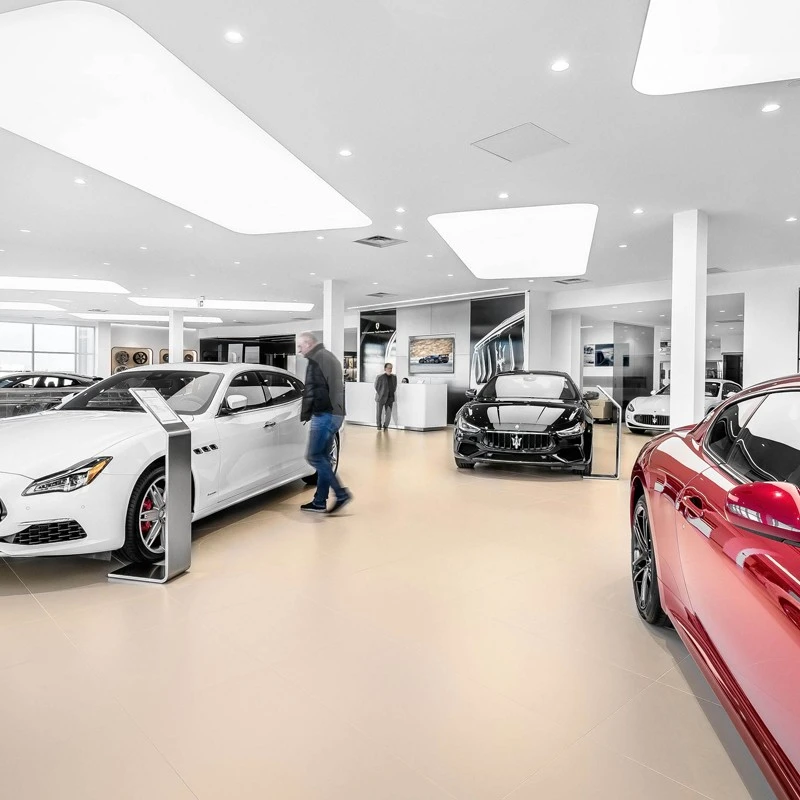
For architectural lighting involving materials such as acrylic, glass, onyx, or stone, LED sheet light provides seamless and consistent backlighting.
Its ultra-thin profile and flexible design make it easy to integrate into walls, ceilings, and decorative structures without visible lighting gaps.
Conclusion: LED sheet light is ideal for architectural and decorative backlighting projects requiring uniform illumination and design flexibility.
Retail Display Lighting (Best Choice: Mixed Use)
In retail environments, LED sheet lights and LED panels serve different functions.
- LED sheet light is used for product display lighting and backlit shelves, enhancing product visibility and visual impact
- LED panel is used for general store lighting, providing consistent ambient illumination
Conclusion: Use LED sheet light for display-focused lighting, and LED panels for overall store illumination.

Office & General Lighting (Best Choice: LED Panel)
LED panels are the standard solution for office, classroom, and commercial ceiling lighting.
They are designed for fast installation, low maintenance, and efficient large-area illumination, making them suitable for standardized lighting layouts.
Conclusion: LED panel is the most practical and cost-effective choice for general indoor lighting applications.

Installation & Cost: LED Sheet Light vs LED Panel
Installation and cost differences between LED sheet lights and LED panels are mainly determined by project complexity, customization level, and application requirements. While both solutions provide uniform lighting, their implementation and total project cost structure are significantly different.
Installation Comparison
LED sheet lights require custom installation planning, including layout design, wiring distribution, and sometimes additional mounting structures such as aluminum profiles or diffusers. Because they are flexible and cuttable, they offer high design freedom but require more engineering preparation before installation.
This makes LED sheet lights more suitable for custom lighting applications such as lightboxes, signage systems, and architectural backlighting, where flexibility is critical.
LED panels, on the other hand, are designed for standardized ceiling installation. They are typically installed in ceiling grid systems, recessed frames, or surface-mounted structures, allowing for fast and efficient deployment.
Cost Comparison (Project-Based View)
The cost difference between LED sheet lights and LED panels should be evaluated as a total project cost rather than just product price.
LED sheet lights usually involve higher overall costs due to customization, installation complexity, wiring layout, and system integration. However, they provide significantly higher value in visual performance, branding impact, and design flexibility, especially in signage and architectural applications.
LED panels benefit from standardized production and simplified installation, making them more cost-efficient for large-scale general lighting projects such as offices, schools, and commercial buildings.
Cost Comparison Table
| Cost Factor | LED Sheet Light | LED Panel | Best Choice |
| Product Price | Higher | Lower | LED Panel |
| Installation Cost | Higher (custom layout required) | Lower (standard installation) | LED Panel |
| Design Flexibility Value | Very high | Low | LED Sheet Light |
| Engineering Cost | Medium–High | Low | LED Panel |
| Total Project Cost | Medium–High | Low–Medium | Depends on application |
| ROI (Visual Impact) | High (signage & branding) | Medium (functional lighting) | LED Sheet Light |
Cost should always be evaluated together with application requirements:
- If the project requires custom design, branding impact, or backlighting → LED sheet light provides higher overall value
- If the project requires fast installation, standardized layout, and cost control → LED panel is more economical
Need a Step-by-Step LED Sheet Installation Guide?
Because LED sheet lights are flexible and customizable, proper cutting, wiring, and power planning are important to achieve uniform illumination and long-term reliability.
For a detailed installation tutorial, read our complete guide: How to Cut, Install, and Set Up LED Sheet Lights
The guide covers:
- LED sheet cutting methods
- Power supply selection
- Wiring and connection setup
- Installation process
- Common troubleshooting tips
How to Choose Between LED Sheet Light and LED Panel
Choosing between LED sheet lights and LED panels depends on the application type, installation environment, and project goals. While both solutions provide uniform illumination, they are designed for very different lighting requirements.
In general, the decision comes down to a simple principle:
LED sheet light is the better choice for visual backlighting and design flexibility, while LED panel is the better choice for standardized ceiling lighting and installation efficiency.
Choose LED Sheet Light If You Need:
LED sheet lights are the right solution when your project requires:
- Uniform backlighting without visible hotspots
- Lightboxes, signage, or illuminated branding displays
- Architectural backlighting for acrylic, glass, or stone surfaces
- Flexible or irregular shapes that require cutting or customization
- High visual impact and design-driven lighting effects
- OEM or custom lighting structures
LED sheet light is best suited for creative, visual, and design-focused lighting applications.
Choose LED Panel If You Need:
LED panels are the right solution when your project requires:
- Standard ceiling or general indoor lighting
- Fast and simple installation in ceiling grid systems
- Fixed-size lighting layouts without customization
- Cost-efficient large-scale lighting deployment
- Offices, schools, hospitals, or commercial buildings
LED panel is best suited for functional, standardized, and cost-driven lighting projects.
Simple Decision Logic
- If your project focuses on visual appearance or backlighting → choose LED sheet light
- If your project focuses on ceiling lighting and efficiency → choose LED panel
- If you need custom design or branding → LED sheet light is the preferred option
- If you need fast installation and low cost → LED panel is more practical
FAQ: LED Sheet Light vs LED Panel
Conclusion
LED sheet lights and LED panels are designed for different lighting purposes.
LED sheet lights are ideal for flexible, high-uniformity backlighting applications, while LED panels are best suited for standardized ceiling lighting systems.
Choosing the right solution depends on your project design requirements, installation conditions, and budget considerations.
Need Help Choosing the Right Solution?
If you are working on a lighting project and are not sure whether to choose LED sheet light or LED panel, we can help you evaluate the best solution based on your application.
We provide:
- Custom LED sheet light design
- OEM / ODM backlighting solutions
- Lightbox and signage system support
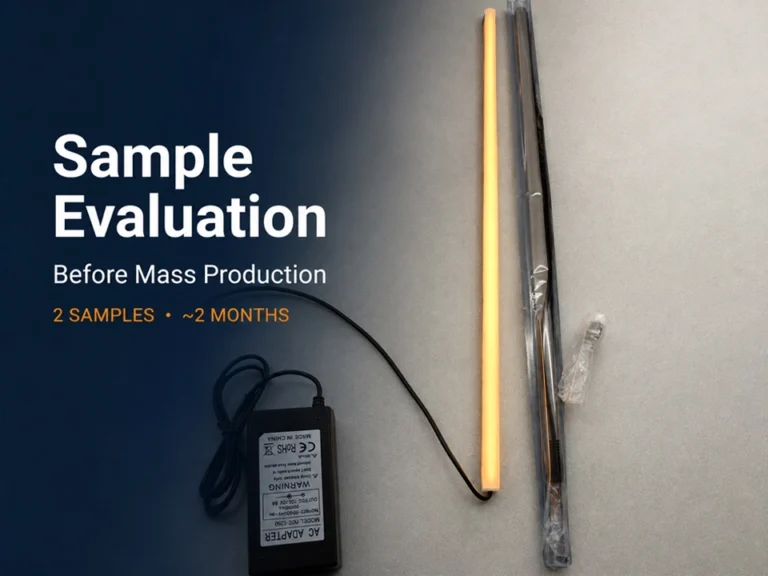
- Sample testing before mass production
Contact us for technical consultation or sample request.
Related Posts